
Unveiling Cereal Milling: The Art of Grain Transformation
In a world where breakfast has become synonymous with quick fixes and convenience, the intricate process of cereal milling often remains shrouded in obscurity. Yet, beneath the surface of our colorful cereal boxes lies a remarkable journey—one that transforms humble grains into the staple foods that fuel our mornings and inspire our culinary creativity. From the early stages of harvesting to the delicate grinding and refining techniques, cereal milling is an art form that harmonizes tradition with innovation. This article invites you to explore the captivating world of grain transformation, shedding light on the machinery, methods, and mastery involved in creating the cereals we cherish. Join us as we unveil the hidden intricacies of cereal milling—a craft that honors both the grain and those who weave it into the fabric of our everyday lives.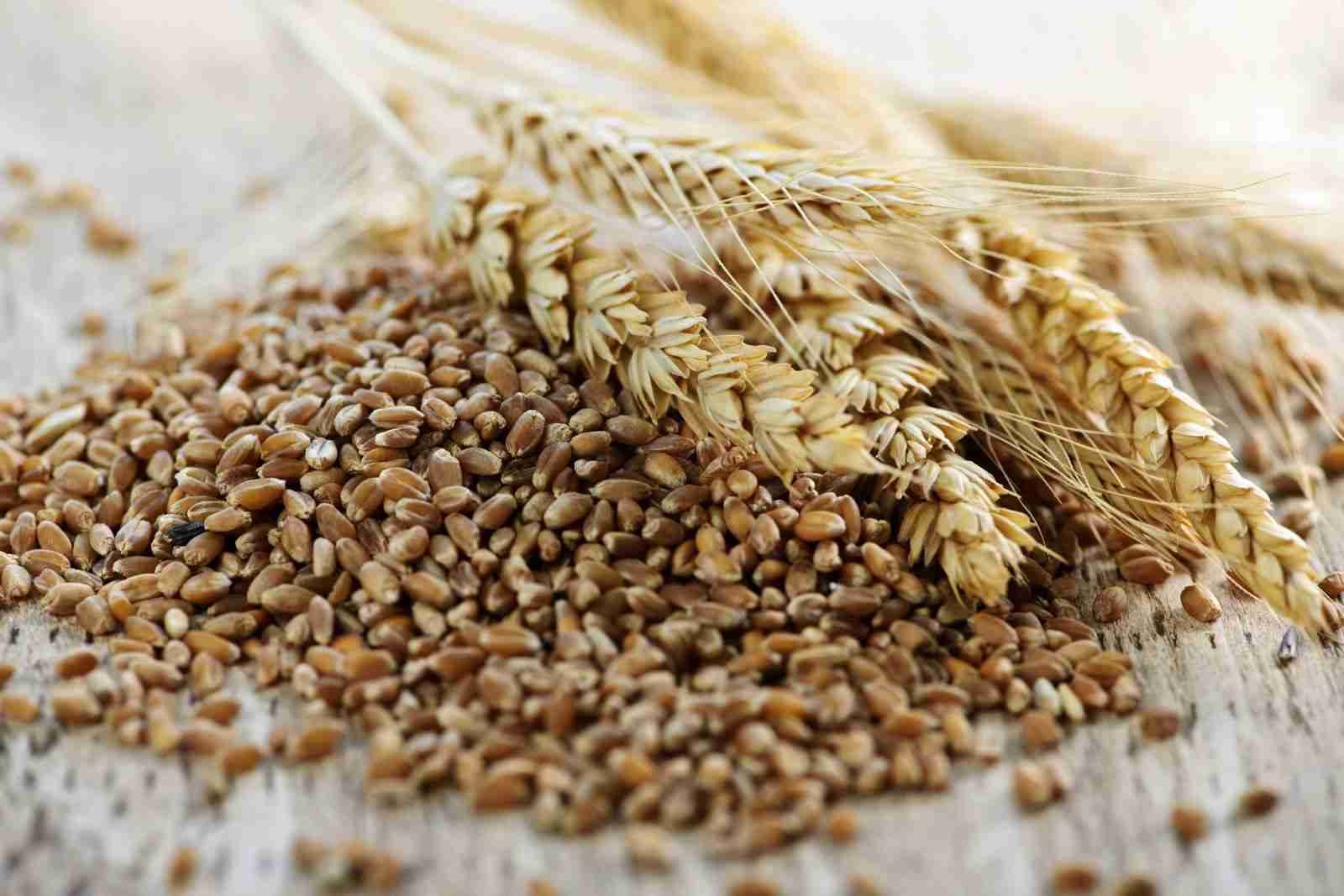
Understanding the Journey from Grain to Flour
The transformation of grain into flour is a fascinating process that has been refined over thousands of years. Initially, grains such as wheat, rye, and corn are harvested and then undergo several stages of processing. The first step is cleaning, where grains are screened and winnowed to remove impurities, stones, and other materials. Following this, the grains are conditioned, adding a specific amount of moisture to aid in the milling process. This ensures that the end product achieves the desired texture and quality.
Once the grains are prepared, the milling process begins. This involves grinding the conditioned grains into flour using various types of mills, such as stone, roller, or hammer mills. The grinding process can create different flour textures depending on the equipment used and the desired end product. After milling, flour is usually sifted to separate the finer particles from the coarser ones, further enhancing its quality for use in baking and cooking. The final product can be enriched or fortified by adding essential nutrients, ensuring it meets dietary standards and enhances its nutritional profile.
| Stage | Description |
|---|---|
| Cleaning | Removing impurities and preparing grains for milling. |
| Conditioning | Adding moisture to enhance milling efficiency. |
| Milling | Grinding grains into flour using various milling techniques. |
| Sifting | Separating finer flour particles from coarser ones. |
| Fortification | Adding nutrients to enrich the final flour product. |

Techniques and Technologies in Modern Cereal Milling
The realm of cereal milling has undergone a breathtaking transformation in recent years, thanks to the advent of sophisticated techniques and cutting-edge technologies. Emphasizing precision and efficiency, modern mills leverage advanced machinery such as roller mills and impact mills, which significantly optimize the grinding process. These innovations not only improve the yield of flour but also enhance the quality by minimizing heat generation, thereby preserving the delicate properties of the grain. Additionally, the integration of automation and control systems ensures consistent product quality while reducing labor costs and human error.
Another notable aspect reshaping the landscape of cereal milling is the increasing adoption of sustainability practices. New technologies focus on reducing waste and energy consumption, utilizing renewable energy sources and recycling by-products. Mills are also exploring the use of sensor technology to monitor grain conditions in real-time, allowing for immediate adjustments that enhance the milling process. These sustainable innovations encourage not only an eco-friendlier operation but also an adaptability to market trends driven by consumer demand for clean-label products. As cereal milling continuously evolves, the combination of traditional skills with modern science will ensure that it remains an indispensable segment of the global food system.

Nutritional Impact: How Milling Affects Grain Quality
When grains undergo milling, their nutritional profile can experience significant changes. The primary goal of milling is to separate the edible parts of the grain from the inedible husk and bran layers. As the milling process progresses, a crucial trade-off occurs: while refined grains boast a finer texture and extended shelf life, they often lose key nutrients and fiber. This loss can lead to the following impacts on grain quality:
- Reduction of Fiber: Whole grains provide essential dietary fiber, which supports digestive health. Milling often depletes this fiber content.
- Nutrient Loss: Vitamins such as B6, B12, iron, and zinc are frequently nestled within the bran and germ. Milling removes these valuable components.
- Altered Glycemic Index: Refined grains tend to have a higher glycemic index, which can lead to quicker spikes in blood sugar compared to whole grains.
Understanding the implications of milling on grain quality is crucial for consumers who are looking to optimize their diets. The table below illustrates the differences in nutritional content between whole grain and refined grain products:
| Nutrient | Whole Grain (per 100g) | Refined Grain (per 100g) |
|---|---|---|
| Dietary Fiber | 10g | 3g |
| Iron | 2.7mg | 0.4mg |
| Protein | 13g | 9g |
| Vitamin B6 | 0.1mg | 0.02mg |
As consumers navigate the grocery aisles, understanding these nutritional impacts allows for more informed choices about grain consumption. While milling plays an integral role in food processing, the careful selection of grain types can help maintain or enhance nutritional value.

Sustainable Practices in the Cereal Milling Industry
The cereal milling industry is increasingly recognizing the need for sustainability, and several pioneering practices are being adopted to mitigate environmental impact. One of the primary strategies involves water conservation, with mills implementing advanced cleaning technologies that significantly reduce water usage during grain processing. Additionally, renewable energy sources such as solar panels and wind turbines are being integrated into operations, allowing mills to power their processes with clean energy. By harnessing these innovative techniques, businesses not only reduce their carbon footprint but also contribute to a more resilient ecosystem.
Moreover, sustainable practices extend to waste management, where mills are focusing on upcycling by-products. For instance, bran and germ, often discarded, are now being transformed into animal feed or incorporated into health food products, promoting a zero-waste model. Furthermore, mills are increasingly engaged in local sourcing of grains, supporting nearby farmers and reducing transportation emissions. This commitment to local economies helps strengthen community ties while fostering a more sustainable supply chain.
| Practice | Description |
|---|---|
| Water Conservation | Adoption of technologies to minimize water usage. |
| Renewable Energy | Utilization of solar and wind energy for milling processes. |
| Upcycling By-products | Transformation of waste into valuable products like animal feed. |
| Local Sourcing | Procurement of grains from local farms to reduce emissions. |
To Wrap It Up
As we draw the curtain on our exploration of cereal milling, it becomes clear that this age-old craft is much more than the mere grinding of grains. It is an intricate dance of science and tradition, where each step—from the careful selection of grains to the precise adjustments of milling machinery—plays a pivotal role in crafting the flour that forms the backbone of our daily sustenance.
In the gentle hum of the milling process, we find a symphony of nature and innovation, a testament to human ingenuity and the enduring relationship we hold with our food. As we savor our morning toast or indulge in a hearty bowl of cereal, let us remember the depth of this transformation, and honor the artistry that lies within each grain. The world of cereal milling remains a fascinating journey of discovery, inviting us to further appreciate the nuances of our everyday ingredients.
So next time you pour that perfect bowl or craft a delicious recipe, take a moment to reflect on the unseen craftsmanship that brings these humble grains to life. After all, in the heart of every meal lies a story of transformation, waiting to be unveiled.



