
In the bustling aisles of grocery stores across the globe, brightly colored boxes of cereal beckon breakfast enthusiasts with promises of convenience and nourishment. Behind this seemingly simple morning staple lies an intricate tapestry woven from both art and science—a complex process that transforms humble grains into the crispy, bite-sized morsels we savor with milk or enjoy straight from the box. Understanding the intricacies of cereal processing reveals not only the technological advancements that enhance flavor and texture but also the creative innovations that have transformed dietary habits around the world. In this exploration, we will delve into the multifaceted world of cereal processing, examining the careful balance between technique and creativity that fosters the products we often take for granted, illuminating the journey from field to bowl.
The Complex Journey from Grain to Breakfast: An Overview of Cereal Processing
The journey of transforming raw grains into the breakfast cereals we enjoy each morning is a stunning amalgamation of nature and technology. It begins in the golden fields, where grains such as wheat, corn, rice, and oats are cultivated. Once harvested, the grains undergo a meticulous cleaning process to remove impurities such as dirt, stones, and other foreign particles. Following cleaning, the grains are often subjected to conditioning, a process that involves adjusting moisture content to prepare them for milling. This sets the stage for the next phase—milling, where the grains are ground into flakes, flour, or meal, depending on the desired end product.
After milling, the journey continues with several critical processes aimed at enhancing flavor, texture, and nutritional value. These processes may include:
- Toasting: Enhances flavor and aroma.
- Flaking: Creates the characteristic shapes of many breakfast cereals.
- Fortification: Nutrients such as vitamins and minerals are added to boost health benefits.
- Packing: The final product is packaged in attractive, functional containers designed to maintain freshness.
To further illustrate the steps involved in cereal processing, consider the following table, which outlines the key processes alongside their purposes:
| Process | Purpose |
|---|---|
| Cleaning | Remove impurities from the grains |
| Conditioning | Adjust moisture for optimal milling |
| Milling | Transform grains into flour or flakes |
| Toasting | Enhance flavors |
This intricate dance between grain and machine culminates in the delicious cereals that grace breakfast tables. The careful orchestration of these processes showcases not only the art but also the science behind the cereal industry, ensuring each box holds a nutritious and tasty experience for consumers.
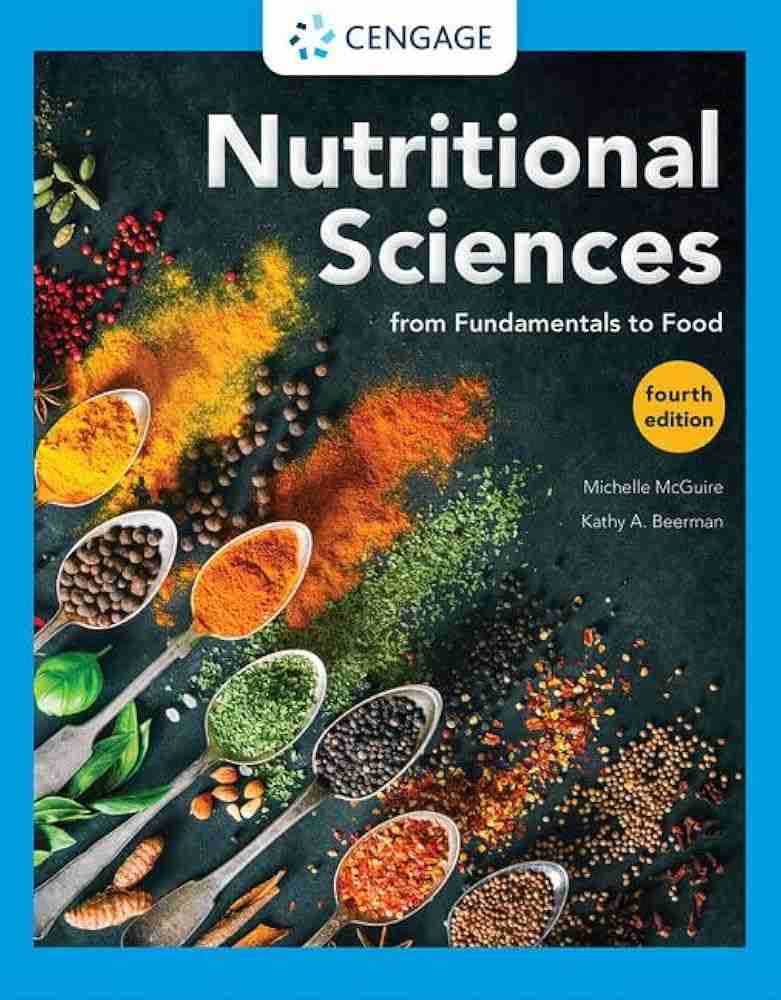
Nutritional Science Meets Culinary Art: The Role of Ingredients in Cereal Production
In the fascinating world of cereal production, the intersection of nutritional science and culinary art involves a careful selection of ingredients that not only contribute to flavor but also to health benefits. The backbone of cereal grains, such as wheat, corn, oats, and rice, are often combined with other components to enhance their nutritional profile. Through the strategic use of additives like fiber, proteins, and whole ingredients, manufacturers can create products that cater to diverse dietary needs and preferences. In this unique blend of science and art, the formulation of cereals can range from the traditional to avant-garde, allowing for an array of textures and tastes that redefine breakfast.
Additionally, understanding the functionality of each ingredient is pivotal in achieving the desired product quality. For example, the choice of sweeteners, such as honey or stevia, impacts both the flavor and the glycemic index of the cereal. Nutritional innovations, including the addition of superfoods like chia seeds and quinoa, have opened new avenues for enhancing health benefits without compromising on taste. Below is a simple overview of common ingredients used in cereal production and their contributions:
| Ingredient | Role in Cereal | Nutritional Benefit |
|---|---|---|
| Whole Grains | Base ingredient | Rich in fiber and essential nutrients |
| Sweeteners | Flavor enhancer | Varied glycemic responses |
| Nuts & Seeds | Add crunch & texture | Healthy fats and protein |
| Dried Fruits | Flavor & natural sweetness | Vitamins and antioxidants |
The ongoing dialogue between ingredient selection and sensory experience continues to shape cereal manufacturing. As consumers grow more health-conscious, the emphasis on transparency and quality in ingredient choice is paramount. By championing nutrient-dense components while preserving taste, cereal producers navigate the delicate balance between science and gourmet flair, promising exciting developments in breakfast cuisine.

Innovations in Technology: Enhancing Efficiency and Quality in Cereal Processing
Recent advancements in technology have revolutionized the cereal processing industry, introducing innovative solutions that significantly enhance both efficiency and product quality. State-of-the-art machinery equipped with sensor technology allows for precise adjustments during production, leading to optimal temperature control and moisture management. This level of precision ensures that cereals maintain their nutritional value while improving texture and flavor. Furthermore, integration of automation and artificial intelligence has streamlined operations, minimizing human errors and reducing operational costs. As a result, cereal manufacturers can produce high-quality products at a faster pace than ever before.
In addition to automation, new methods in quality control have emerged, utilizing machine learning algorithms to analyze data in real time. These algorithms can detect inconsistencies or defects in the production line, enabling immediate corrective actions to be taken. Moreover, sustainable practices are being embraced, such as using energy-efficient machinery and waste-reduction technologies. Implementing these innovations not only supports environmental goals but also aligns with consumer preferences for responsibly produced cereals. The combination of advanced technology and sustainable practices is setting a new standard in the cereal processing landscape, fostering a future where quality and efficiency go hand in hand.
| Innovation | Description |
|---|---|
| Sensor Technology | Allows for precise control of temperature and moisture during processing. |
| Automation | Streamlines operations and reduces human error in production. |
| Machine Learning | Enables real-time quality control through data analysis. |
| Sustainability Initiatives | Includes energy-efficient machinery and waste-reduction technologies. |
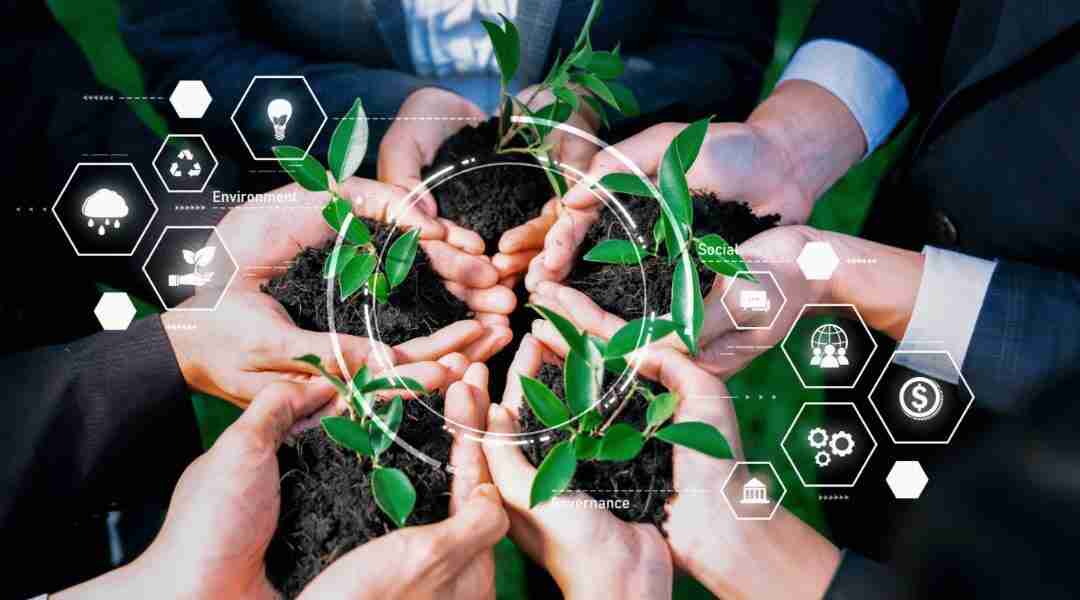
Sustainability Practices in Cereal Manufacturing: Balancing Production with Environmental Responsibility
In an era where environmental consciousness shapes consumer choices, cereal manufacturers are reimagining their production methodologies to embrace sustainability. Companies are increasingly integrating eco-friendly practices into their supply chains, focusing on reducing waste, optimizing resource use, and cutting carbon emissions. Key strategies include:
- Implementing energy-efficient technologies in production facilities.
- Utilizing sustainable packaging solutions to minimize plastic waste.
- Adopting organic farming methods to reduce the impact of chemicals on both ecosystems and human health.
Moreover, responsible sourcing of raw materials has become a cornerstone of sustainable cereal manufacturing. Manufacturers are collaborating with local farmers to support regenerative agriculture while ensuring fair trade practices. Some notable practices involve:
| Practice | Description |
|---|---|
| Water Conservation | Utilizing rainwater harvesting systems and efficient irrigation techniques. |
| Waste Management | Implementing composting and recycling programs in production facilities. |
| Supply Chain Transparency | Maintaining openness about sourcing and production processes. |
The Way Forward
the journey through the intricate world of cereal processing reveals a fascinating blend of art and science that fuels our daily breakfasts and snacks. From the golden fields where grains are harvested to the sophisticated machinery that transforms them into the products we know and love, the process embodies both innovation and tradition. As we’ve explored, each step, from cleaning and milling to cooking and packaging, plays a critical role in determining the quality and nutritional value of the final product.
By gaining a deeper understanding of these processes, we not only appreciate the craftsmanship involved but also the profound impact it has on our health and environment. Whether you’re a cereal devotee or a curious newcomer, embracing the complexities of cereal processing opens the door to informed choices and a greater respect for this staple in our diets. So, the next time you pour a bowl of your favorite cereal, remember the unseen expertise that has shaped its journey from field to table—an ever-evolving narrative of nature and technology intertwined.



