
In the intricate world of agriculture, where tradition meets innovation, the processing of paddy rice stands as a vital link in the food supply chain. As global demand for rice continues to rise, so does the need for efficiency and sustainability in its production. Enter the innovative paddy processing machine—a marvel of engineering designed to streamline grain processing while preserving the quality and nutritional value of this staple food. This article delves into the mechanisms and benefits of these cutting-edge machines, exploring how they not only enhance operational efficiency but also contribute to the broader goal of sustainable agriculture. Join us as we uncover the transformative potential of paddy processing technology and its role in shaping the future of food production.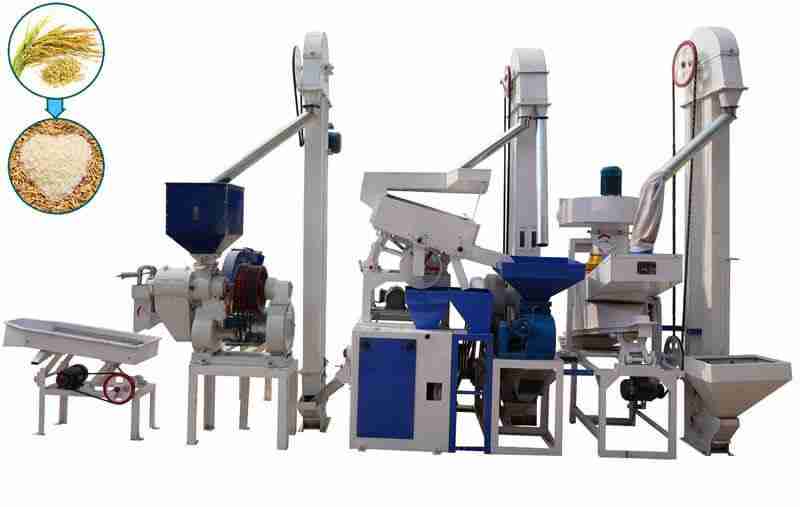
Understanding the Mechanism Behind the Paddy Processing Machine
The paddy processing machine operates on a sophisticated combination of mechanical engineering and agricultural science, transforming harvested rice paddies into polished grains ready for market. At its core, the machine utilizes a multi-stage approach, incorporating key processes such as threshing, cleaning, hulling, and milling. Each of these stages is designed to maximize efficiency and yield, ensuring minimal grain loss and high-quality output. The machine typically features a series of conveyers, separators, and rollers that work in tandem, streamlining the transition from raw to finished product.
To provide a clearer understanding of this intricate mechanism, here’s a brief overview of the core processes involved:
- Threshing: Separates the grain from the chaff.
- Cleaning: Removes impurities like dirt and dust.
- Hulling: Strips away the rough outer husk.
- Milling: Polishes the rice to achieve the desired texture.
These operational stages not only enhance the purity of the rice but also improve overall productivity. The efficiency of this machinery can be further conveyed by examining the following table that illustrates the typical processing time and output:
| Process | Time Required | Output (kg/hour) |
|---|---|---|
| Threshing | 1 hour | 800 |
| Cleaning | 30 minutes | 700 |
| Hulling | 45 minutes | 500 |
| Milling | 1 hour | 400 |
This analysis underscores how each segment of the paddy processing machine contributes to the overall efficiency, ensuring that the farmers can rely on a swift and effective method to bring their product to market with minimal loss and maximum quality.

Enhancing Efficiency: Key Features for Optimal Grain Streamlining
In the quest for streamlined grain processing, the latest innovations in paddy processing machines offer a bouquet of features designed to maximize efficiency. These machines incorporate advanced technology that reduces processing time and improves output quality. With automated features, such as self-calibrating sensors and real-time monitoring systems, operators can effortlessly maintain optimal performance while minimizing human error. Additional ergonomics in design, like user-friendly interfaces and variable speed controls, allow for seamless operation and enhanced adaptability to different types of grains.
To illustrate how these features significantly enhance processing capabilities, consider the following table showcasing key benefits and their impacts:
| Feature | Benefit | Impact |
|---|---|---|
| Automated Cleaning Mechanism | Reduces impurities | Improves grain quality |
| Energy-efficient Design | Lower energy consumption | Cost savings |
| Adjustable Processing Settings | Accommodates various grain types | Maximized versatility |
Moreover, the integration of data analytics tools allows users to gain insights into processing performance, conveying information that’s essential for making informed decisions. This capability not only aids in identifying bottlenecks but also proactively adjusts parameters to ensure top-tier efficiency throughout the grain processing journey. Continuous improvement through predictive maintenance also leads to less downtime, significantly enhancing productivity and operational throughput.
Sustainability in Action: Environmental Benefits of Modern Processing
The evolution of paddy processing machines has opened new avenues for environmental sustainability in agriculture. By adopting advanced technology, farmers can significantly reduce the carbon footprint associated with traditional processing methods. These modern machines are designed to optimize energy consumption, leading to lower greenhouse gas emissions. They also enhance resource efficiency by maximizing output while minimizing waste.
- Water Conservation: Many contemporary paddy processing solutions use less water in their operations, helping to preserve this vital resource.
- Reduced Chemical Use: With improved processes, the reliance on chemical treatments to enhance grain quality is diminished, leading to healthier ecosystems.
- Minimized By-product Waste: Innovative machines convert by-products into usable materials, ensuring that nothing goes to waste and contributing to a circular economy.
| Feature | Environmental Benefit |
|---|---|
| Energy Efficiency | Lower energy consumption, reducing reliance on fossil fuels |
| Water Management | Efficient use leads to sustainable water practices |
| Waste Reduction | Enhances soil quality by utilizing by-products |
Recommendations for Integrating Innovative Technology in Rice Production
To enhance rice production efficiency and quality, the adoption of innovative technology is essential. One effective strategy is the implementation of automated paddy processing systems. These machines integrate multiple functions—such as hulling, milling, and sorting—into a single unit, reducing the need for multiple manual processes and ensuring a consistent grain quality. Additionally, utilizing smart sensors that monitor moisture levels, temperature, and sorting accuracy can significantly streamline operations. Consider developing partnerships with tech firms specializing in agricultural innovation to benefit from cutting-edge advancements tailored for rice production.
Furthermore, training programs for local farmers on how to efficiently operate these machines should be prioritized. Such initiatives can include hands-on workshops, webinars, and digital resources, making the technology accessible and user-friendly. To support sustainable practices, integrating renewable energy sources, such as solar panels, into these systems can further reduce operational costs and the carbon footprint of rice production. Investing in community-based solutions alongside technology can foster a more resilient agricultural ecosystem.
| Innovative Technology | Benefits |
|---|---|
| Automated Paddy Processors | Increased efficiency, reduced labor |
| Smart Sensors | Enhanced monitoring, consistent quality |
| Renewable Energy Solutions | Lower costs, eco-friendly operation |
Wrapping Up
As we conclude our exploration of the innovative paddy processing machine, it becomes clear that this technological marvel is not simply about efficiency; it represents a significant leap toward sustainable agriculture and enhanced food security. By streamlining the grain processing stages, this machine empowers farmers, optimizes resource use, and ultimately contributes to a more resilient supply chain. As the agricultural landscape continues to evolve, embracing such advancements will be crucial in meeting the growing global demand for rice while minimizing environmental impacts. The future of paddy processing looks promising, and with continued innovation, we can anticipate even more remarkable solutions that will shape the way we cultivate, process, and consume one of the world’s most essential crops.



