
Nestled in the heart of fertile fields where emerald waves of rice sway gently under the sun’s golden embrace, a remarkable transformation is taking place—one that turns humble grains into the cornerstone of countless meals around the world. “From Grain to Goodness: Inside a Rice Processing Plant” invites you on an illuminating journey into the intricate world of rice processing. Here, every grain holds a story, and every step of the process reveals the meticulous care and technology that elevate this staple from its natural state to a product ready to nourish communities. As we delve into the inner workings of a rice processing plant, we’ll explore the delicate balance of tradition and innovation that ensures quality, sustains livelihoods, and feeds families globally. Join us as we uncover the hidden magic behind one of humanity’s most cherished crops, celebrating its journey from field to table—a testament to the enduring connection between agriculture and our daily sustenance.
Understanding the Journey of Rice from Field to Fork
In the serene embrace of rural landscapes, rice begins its remarkable journey, taking root in the fertile soil. Once the rice plants flourish through careful cultivation, they are ready for harvest. This marks the transition from vibrant green fields to the bustling activity of the processing plant. Here, laborers and machines collaborate, ensuring that every grain is nurtured and transformed. Key steps in this stage include:
- Harvesting the rice using specialized machinery that minimizes grain loss.
- Drying the harvested rice to reduce moisture content, which preserves its quality.
- Husking, where the rough outer layer is removed to reveal the brown rice underneath.
Following initial processing, the grains undergo further refinement. The next steps in this process not only enhance the rice’s aesthetic but also its longevity and taste. Essential stages include:
- Polishing, where brown rice is milled to achieve the white grains most commonly seen on dinner plates.
- Grading, which sorts the rice by grain size and quality, ensuring uniformity and satisfaction for consumers.
- Packaging, where the processed rice is sealed in containers that preserve freshness, ready for its journey to the market.
| Stage | Description |
|---|---|
| Harvesting | Gathering ripe rice from fields with minimal loss. |
| Drying | Reducing the moisture of grains to prevent spoilage. |
| Husking | Removing the outer husk to expose the brown rice. |
| Polishing | Milling brown rice to produce white rice grains. |
| Grading | Sorting rice by quality and size to ensure consistency. |
| Packaging | Sealing grains for freshness and easy transport. |
The Art and Science of Rice Milling Techniques
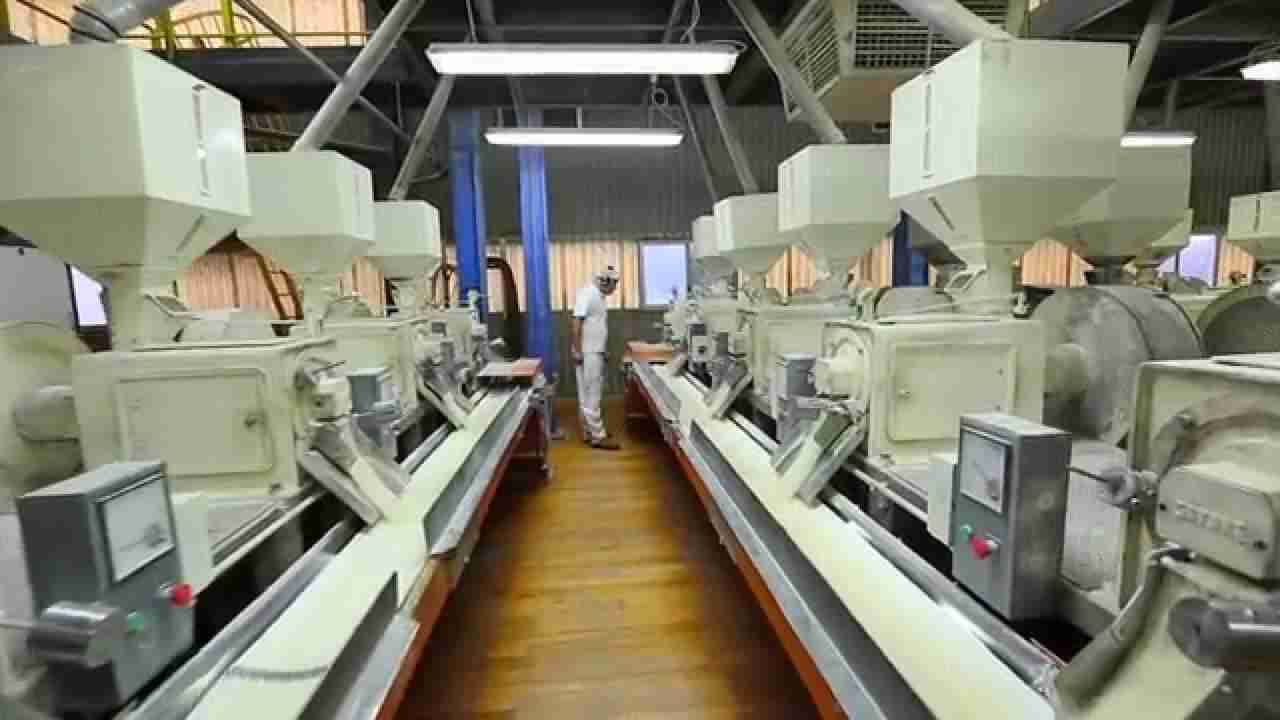
Rice milling is a perfect blend of art and science, transforming raw grains into the polished staple that graces tables around the world. The journey begins with pre-cleaning, where impurities such as stones and dust are meticulously removed to ensure purity. Following this, the grains undergo a process called dehusking, which separates the husk from the rice kernel. This is achieved through the combination of a rubber roll or steel machine and controlled pressure, requiring precision to avoid damaging the valuable rice inside. Once dehusked, the brown rice is typically polished to enhance its appearance and prolong shelf life, a stage that is pivotal in delivering the desired texture and flavor.
The scientific aspect of rice milling lies in the use of modern machinery and techniques to optimize every step. Essential processes include whitening, which utilizes abrasive elements to remove the bran layer, and grading, ensuring that size and quality meet market standards. Advanced technology like infrared and laser sorters can enhance the grading process by detecting imperfections with acute accuracy. Each of these steps not only maximizes yield but also minimizes waste, leading to more sustainable practices in rice processing. Below is a concise comparison of key milling techniques:
| Technique | Description | Benefits |
|---|---|---|
| Dehusking | Removes the husk from paddy rice. | Increases the yield of edible rice. |
| Whitening | Removes bran layers from brown rice. | Enhances visual appeal and shelf life. |
| Polishing | Improves surface texture of rice. | Promotes a shiny, attractive finish. |
Ensuring Quality and Sustainability in Rice Processing
In the quest for high-quality rice, processing plants are adopting innovative technologies and stringent practices that prioritize both quality and sustainability. Modern facilities implement state-of-the-art equipment that enhances efficiency and minimizes waste. Emphasis on automated sorting processes ensures that only the finest grains make it to market, while advanced milling techniques help retain nutritional value and texture. This dual focus not only elevates the taste profile of the rice but also caters to health-conscious consumers looking for wholesome options.
Sustainability is at the forefront of rice processing, as companies strive to minimize their environmental impact. Initiatives include utilizing renewable energy sources, implementing water conservation strategies, and employing biodegradable packaging materials. By embracing eco-friendly practices, these plants aim to reduce their carbon footprint while satisfying the growing demand for responsibly produced food. Moreover, partnerships with local farmers foster a community-driven approach to rice cultivation, reinforcing the interconnectedness of quality and sustainability.
| Processing Aspect | Quality Improvement | Sustainability Efforts |
|---|---|---|
| Equipment Technology | Automated sorting for consistency | Energy-efficient machinery |
| Milling Techniques | Retention of nutrients | Waste reduction strategies |
| Packaging | Enhanced freshness and shelf-life | Biodegradable materials |
| Community Partnerships | Access to quality grains | Support for local economies |
Innovative Technologies Shaping the Future of Rice Production
Advancements in precision agriculture are revolutionizing how rice is cultivated and processed. Utilizing drones and GIS technology, farmers can now gather real-time data on crop health, moisture levels, and soil conditions. This technological integration not only minimizes resource waste but also enhances yield quality. Furthermore, the use of smart sensors allows for automated irrigation systems that adapt to fluctuating weather conditions, ensuring that rice plants receive the optimal amount of water throughout their growth stages. These innovations are paving the way for sustainable practices that directly contribute to food security.
In processing plants, innovative sorting technologies, particularly those employing machine learning algorithms, have vastly improved the efficiency and quality of rice milling. Automated systems can detect impurities and defects at incredible speeds, ensuring that only the highest quality grains make it to market. Additionally, bioprocessing techniques are being adopted to enhance nutritional content by fermenting or enriching rice, providing consumers with healthier options. The integration of such technologies not only increases productivity but also contributes to reducing overall environmental impact by lowering energy and water consumption.
To Conclude
As we draw the curtains on our journey through the heart of a rice processing plant, we are reminded that the path from field to table is a harmonious symphony of nature and technology. Each grain carries with it the stories of farmers, the diligence of workers, and the innovations that have transformed an age-old practice into a modern marvel. From the gentle swaying of rice paddies to the rhythmic hum of machines, this intricate process reveals not just the science of food production, but also the deep roots of cultural tradition and community resilience.
As we savor every bite of our perfectly cooked rice, let us appreciate the meticulous care that goes into each step of its journey. The next time you enjoy a meal, remember the many hands and hearts that have played a role in bringing that humble grain to your plate. In this ever-evolving world of agriculture and food processing, the commitment to quality, sustainability, and innovation fuels a future where good food is not just an expectation, but a cherished promise. So, as you go about your day, take a moment to reflect on the goodness that lies within each grain, a testament to the art and science of nourishment.



