
In the heart of countless cultures and cuisines lies a staple that has withstood the test of time: maize. This vibrant grain, often hailed as the “golden crop,” is not just a dietary cornerstone but also a marvel of nature deserving of respect and understanding. From its origins on ancient Mesoamerican soils to the modern milling processes that transform whole kernels into fine flour, maize holds secrets that blend art with science. “Unlocking Grains: The Art and Science of Maize Milling” delves into the intricate journey of maize from field to flour, exploring the techniques that have evolved through generations and the innovations that continue to shape this fundamental industry. As we unravel the milling process, we invite you to appreciate not only the craftsmanship involved in each step but also the profound impacts of maize on global food systems and culinary practices. Join us on this exploration of nostalgia, technology, and the enduring connection between nature and nourishment.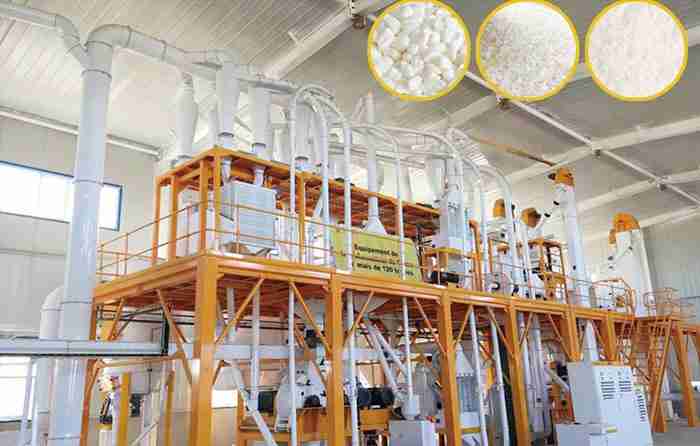
Exploring the History and Cultural Significance of Maize Milling
Maize milling has a rich history that traces back to ancient civilizations, where the grain served not only as a staple food but also as a cultural symbol. Many indigenous cultures revered maize, fostering a deep connection to the land and their ancestry. Early methods of milling involved rudimentary tools, using stones or wooden mortars, which exemplified the innovation of those times. Over centuries, these techniques evolved significantly, giving rise to mechanized milling in the 19th century, a pivotal moment that transformed maize into a widely processed commodity. The transition from hand milling to industrial processes not only increased efficiency but also broadened the accessibility of maize-based products, making it an integral part of diets around the globe.
The cultural significance of maize milling can be observed through various lenses, including culinary practices, economic development, and community identity. In many cultures, traditional milling practices are still celebrated, with festivals showcasing the art of milling and the diversity of maize varieties. Key aspects of this cultural heritage include:
- Traditional Recipes: Maize forms the basis for countless dishes, from tortillas to polenta, each with unique regional twists.
- Economic Impact: Small-scale mills empower local farmers, creating jobs and sustaining communities.
- Rituals and Celebrations: Maize is often central to agricultural festivals, reflecting gratitude towards the land and past generations.
As we examine the progression of maize milling, it becomes clear that it embodies not just a method of transformation but a narrative of survival and adaptability across cultures. In many societies, the act of milling demonstrates a profound respect for the grain itself, merging practicality with artistry. Today, as modern technologies continue to advance, the challenge lies in balancing tradition with innovation, ensuring that the cultural significance of maize remains preserved while embracing new opportunities for growth.
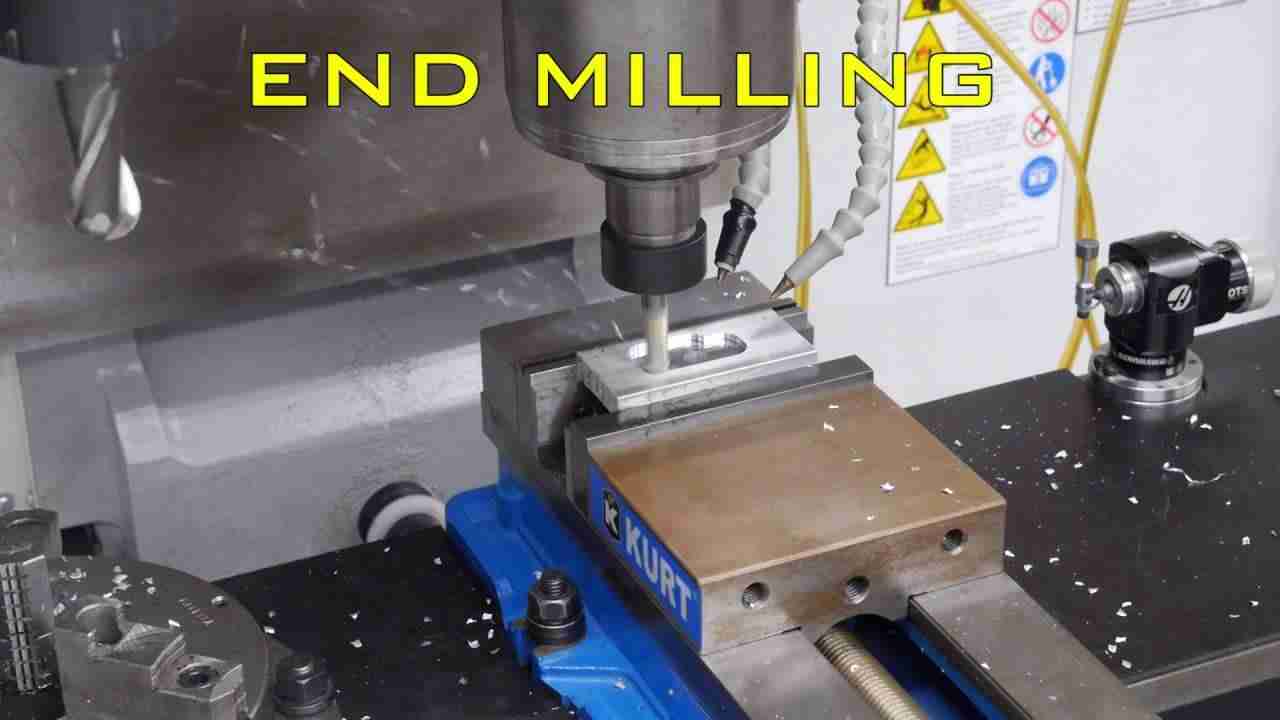
Understanding the Milling Process: Techniques and Technologies
The milling process involves transforming raw grains into flour through various techniques, each with its own set of advantages and limitations. Understanding these methods can significantly impact the quality and texture of the final product. The most common milling techniques include:
- Stone Milling: Utilizes natural stones to grind the grain, preserving nutrients and imparting a unique flavor.
- Roller Milling: Employs a series of cylindrical rollers to crush and sift grains, producing fine, consistent flour.
- Impact Milling: Uses high-speed blades to rapidly grind grains into flour, ideal for specialized products.
Beyond milling techniques, the technology used in the process also plays a critical role. Advanced milling machinery enhances efficiency and precision, maximizing yield while minimizing waste. Key technological advancements include:
- Automation: Incorporating computer controls for precise calibration and monitoring of milling parameters.
- Texture Analyzers: Tools that assess flour quality and ensure consistency in end products.
- Dust Control Systems: Essential for maintaining a safe and clean work environment by minimizing airborne particles.

Quality Control in Maize Milling: Ensuring Safety and Consistency
Quality control is a critical component of maize milling that ensures the product’s safety and consistency, safeguarding both consumers and manufacturers. The process begins by carefully selecting raw maize based on various quality parameters, such as moisture content and kernel integrity. Regular inspections are essential in this step to identify any impurities or defects that could compromise the final product. Once the milling begins, rigorous testing at each stage of production helps to maintain the desired milling standards. This includes monitoring particle size, as consistency in flour texture can greatly affect its usability in different applications, from baking to industrial foods.
Moreover, maintaining a clean and hygienic milling environment is essential for preventing contamination. Facilities often implement a range of sanitation protocols, such as:
- Regular cleaning schedules
- Preventative equipment maintenance
- Staff training on safe handling procedures
To track and manage these procedures effectively, many milling operations adopt a systematic approach, documented in control charts. Below is a simple overview of common control measures employed in maize milling:
| Control Measure | Description |
|---|---|
| Visual Inspections | Regular checks for contaminants or defects in raw maize. |
| Moisture Testing | Ensures optimal moisture levels to prevent spoilage. |
| Particle Size Analysis | Maintains the desired texture for various end products. |
| Hygiene Audits | Frequent assessments to ensure a clean milling environment. |
These practices highlight the important interplay between art and science in maize milling, ensuring the final product not only meets regulatory standards but also fulfills consumer expectations for quality and safety.
Innovating for the Future: Sustainable Practices in Maize Processing
As the world grapples with the implications of climate change and resource depletion, the maize processing industry is taking significant strides toward implementing sustainable practices that serve both economic and environmental needs. One innovative approach is the adoption of biodegradable packaging made from natural by-products of maize milling, reducing plastic waste and promoting a circular economy. Additionally, many processors are investing in energy-efficient machinery, utilizing technologies that lower energy consumption and minimize carbon footprints. The integration of renewable energy sources—such as solar and wind power—into milling operations not only decreases reliance on fossil fuels but also contributes to significant cost savings over time.
Furthermore, the push for sustainability in maize processing extends to water conservation techniques and waste management systems designed to recycle by-products. Practices like greywater recycling and bio-digestion turn what was once considered waste into valuable resources. The use of precision agriculture techniques ensures that inputs like water and fertilizers are used wisely, optimizing yields while reducing environmental impacts. By fostering a culture of innovation and responsibility, the maize processing sector is not just meeting current demands but is also paving the way for a more sustainable future.
| Sustainable Practice | Benefit |
|---|---|
| Biodegradable Packaging | Reduces plastic waste |
| Energy-Efficient Machinery | Lowers energy consumption |
| Renewable Energy Sources | Decreases reliance on fossil fuels |
| Greywater Recycling | Conserves water |
| Precision Agriculture | Optimizes yields |
Insights and Conclusions
the intricate dance between art and science in maize milling reveals a world where tradition meets innovation. As we’ve explored, each kernel of maize holds the potential to transform into a myriad of products, from staple foods to artisanal delights. This process is not merely mechanical; it is a craft honed over generations, enriched by advancements in technology and a deep understanding of the grain’s inherent properties.
By unlocking the full potential of grains, we not only appreciate the culinary versatility of maize but also acknowledge its cultural significance across various societies. As we continue to refine the milling process, embracing both heritage and modern techniques, we pave the way for a future where every meal tells a story—of sustenance, creativity, and the enduring bond between people and their food.
So, whether you’re a miller, a chef, or a curious food enthusiast, remember that each grain is a gateway to a rich tapestry of flavors, textures, and traditions waiting to be uncovered. Let the art and science of maize milling inspire us to delve deeper into the grains that nourish our bodies and connect us through shared culinary experiences.



