
In the ever-evolving landscape of food production and culinary innovation, an unassuming grain is capturing the spotlight: rice. For centuries, this staple has nourished cultures and sustained communities across the globe. As demand for high-quality rice continues to rise, so too does the quest for perfection in its preparation. Enter the mini rice polisher—a compact yet powerful tool that has emerged as a game changer in the world of rice processing. Offering a blend of tradition and technology, these polished wonders are not just enhancing the quality of grains but also reshaping the way we understand and appreciate one of our planet’s most significant food sources. In this article, we explore the factors driving the rise of mini rice polishers, their impact on the industry, and the broader implications for both producers and consumers alike. Join us as we delve into the journey of shiny grains, revealing how a small machine is making a big difference.
The Evolution of Rice Polishing Technology
The journey of rice polishing technology has been transformative, as it transitioned from traditional methods to contemporary mechanized solutions. In the past, rice polishing was an arduous task, primarily achieved through manual labor, using simple tools like wooden mortars and pestles. This labor-intensive approach not only demanded significant time and effort but also resulted in uneven polishing, often leaving husk remnants and affecting the quality of the grains. However, the introduction of abrasive techniques and mechanical polishers marked a significant shift. These innovations minimized labor while enhancing efficiency, allowing for a more uniform finish and a reduction in grain breakage.
Today, mini rice polishers have emerged as a game-changer in the industry, providing small-scale farmers and households with powerful yet compact solutions. These devices leverage advanced technologies like airflow systems and abrasive rollers to achieve high polishing standards without compromising nutritional value. With a variety of models available, users can select machines based on their needs, considering factors such as capacity, energy efficiency, and user-friendliness. The benefits of adopting mini rice polishers include:
- Improved Grain Quality: Enhanced aesthetics and taste.
- Cost-Effectiveness: Lower operational costs and increased productivity.
- Space Efficiency: Compact designs suitable for small workspaces.
- Eco-Friendly Options: Reduced waste and energy consumption.
| Feature | Traditional Method | Mini Rice Polisher |
|---|---|---|
| Labor Intensity | High | Low |
| Polishing Consistency | Variable | Uniform |
| Time Required | Long | Short |
| Energy Use | High | Optimized |
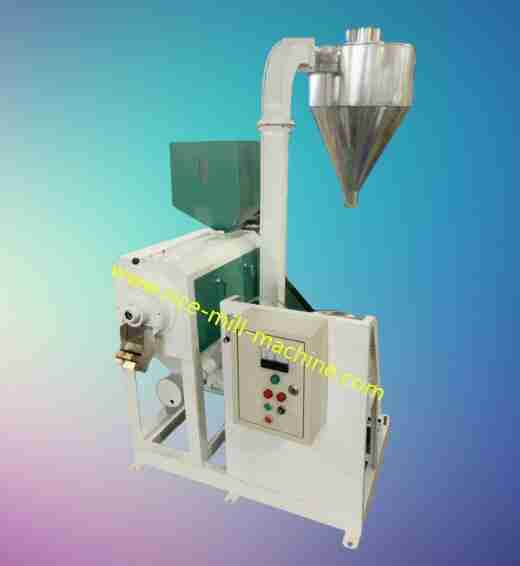
Benefits of Mini Rice Polishers for Small-Scale Farmers
Mini rice polishers have emerged as essential tools for small-scale farmers, offering a plethora of advantages that significantly enhance their productivity and marketability. One of the most notable benefits is time efficiency. Traditional milling methods can be time-consuming, but mini rice polishers streamline the process, allowing farmers to polish their rice quickly and effectively. This increased efficiency means that farmers can process more grains in a shorter amount of time, freeing them up to focus on other critical aspects of their farming operations.
Furthermore, the economic advantages of using mini rice polishers are profound. These machines often require a lower initial investment compared to larger milling equipment, making them accessible even for those operating on tight budgets. Additionally, they improve the quality and market value of the rice produced. Better-poised grains attract higher prices at the market, enabling farmers to boost their profits. Key benefits include:
- Quality enhancement for better market prices
- Reduced labor costs with less workforce needed for milling tasks
- Compact size enabling easy transportation and storage
the adoption of mini rice polishers not only fosters productivity but also plays a pivotal role in enhancing the livelihood of small-scale farmers. The positive impact on their income and overall operational efficiency can contribute significantly to the sustainability and growth of rural economies.
Choosing the Right Mini Rice Polisher for Your Needs
When navigating the world of mini rice polishers, it’s essential to consider various factors to ensure you select the machine that best fits your culinary aspirations. First, identify your primary purpose: are you looking to enhance the texture of rice for gourmet cooking or engage in small-scale commercial production? This distinction will guide your decision-making process. Additionally, look for a machine that meets your volume requirements, as some models cater to smaller households while others are designed for more extensive operations. Key features to compare include:
- Capacity: Evaluate how much rice the polisher can process at one time.
- Polishing Speed: Check how quickly the machine can achieve the desired texture.
- Energy Efficiency: Consider models that consume less power while maintaining performance.
- Durability: Opt for devices made from high-quality materials for longevity.
Another crucial aspect to ponder is the ease of use and maintenance of the rice polisher. Look for models that come equipped with user-friendly controls and clear instructions to facilitate a smooth polishing experience. Furthermore, a detachable or washable polishing chamber can significantly reduce cleaning time, making the process more convenient. To help further clarify your options, consider using a comparative table to visualize the differences among top models:
| Model | Capacity (kg) | Polishing Time (min) | Power (W) |
|---|---|---|---|
| EcoPolish Mini | 1.5 | 15 | 300 |
| SpeedyGrain | 2 | 10 | 400 |
| GrainMaster Pro | 3 | 12 | 500 |
Maximizing Efficiency: Tips for Operating Mini Rice Polishers
To fully leverage the capabilities of mini rice polishers, understanding their operational intricacies is key. First and foremost, it’s essential to ensure that the rice grains are pre-cleaned and adequately dried before polishing. This process reduces moisture content, which can affect the efficiency and quality of the polish. Additionally, regular maintenance and cleaning of the polisher not only prolong its lifespan but also enhance its performance. Consider the following tips for optimal operation:
- Adjust the Speed: Experiment with different motor speeds to find the optimal rate for the specific type of rice.
- Monitor Temperature: Keep an eye on the heating elements, as excessive heat can compromise grain quality.
- Use Appropriate Polishing Agents: Select natural polishing agents to enhance the sheen without compromising flavor.
- Train Operators: Ensure that all operators are well-trained in the machine’s operation to avoid misuse and maintain safety standards.
Furthermore, keeping a detailed log of operational times, maintenance checks, and grain quality can provide valuable insights into improving your processes. Employing technology-driven solutions such as data analytics tools can help in making informed decisions regarding machine use and efficiency. Consider utilizing a simple tracking table to observe the relationship between different operating parameters and the quality of the output:
| Operating Parameter | Quality Indicator | Notes |
|---|---|---|
| Motor Speed | Smoothness | Adjust for best results |
| Temperature Levels | Grain Integrity | Avoid overheating |
| Polishing Time | Sheen Quality | Timing is crucial |
In Conclusion
In the vast landscape of culinary innovation, where tradition meets technology, mini rice polishers have emerged as unsung heroes, quietly transforming the way we prepare one of the world’s staple foods. Their rise is not merely a testament to convenience but a nod to our evolving understanding of nutrition and sustainability. As we embrace these shining grains, let us reflect on the profound impact such advancements can have on our daily lives, bringing us closer to the wholesome goodness of our heritage. The journey of rice—from farm to table—has taken a fresh turn, promising not only to preserve the essence of this ancient grain but also to elevate it in our kitchens. As we look to the future, one thing is clear: the humble rice polisher may just be the key to unlocking a new realm of culinary possibilities, bridging the gap between age-old practices and modern dining experiences. So, the next time you savor a bowl of rice, remember the innovation that made it shine, and the story behind the grains that fuel our worlds.



