
Unveiling the Journey: From Cornfield to Processed Goodness
In the heart of America, where golden fields stretch endlessly under the sun, a simple grain emerges as the unsung hero of our daily lives: corn. Often overlooked and underappreciated, this versatile crop embarks on a remarkable journey from its humble beginnings in vibrant cornfields to a myriad of processed products that fill our shelves and kitchens. From the crunch of sweet corn on the cob to the smooth texture of corn syrup and the vibrant pops of popcorn, the arc from plant to plate is a fascinating tale of agriculture, innovation, and transformation. Join us as we explore the intricate pathways and the myriad processes that bring the essence of corn from the fields to the food we know and love, revealing the hidden story behind one of nature’s most abundant gifts.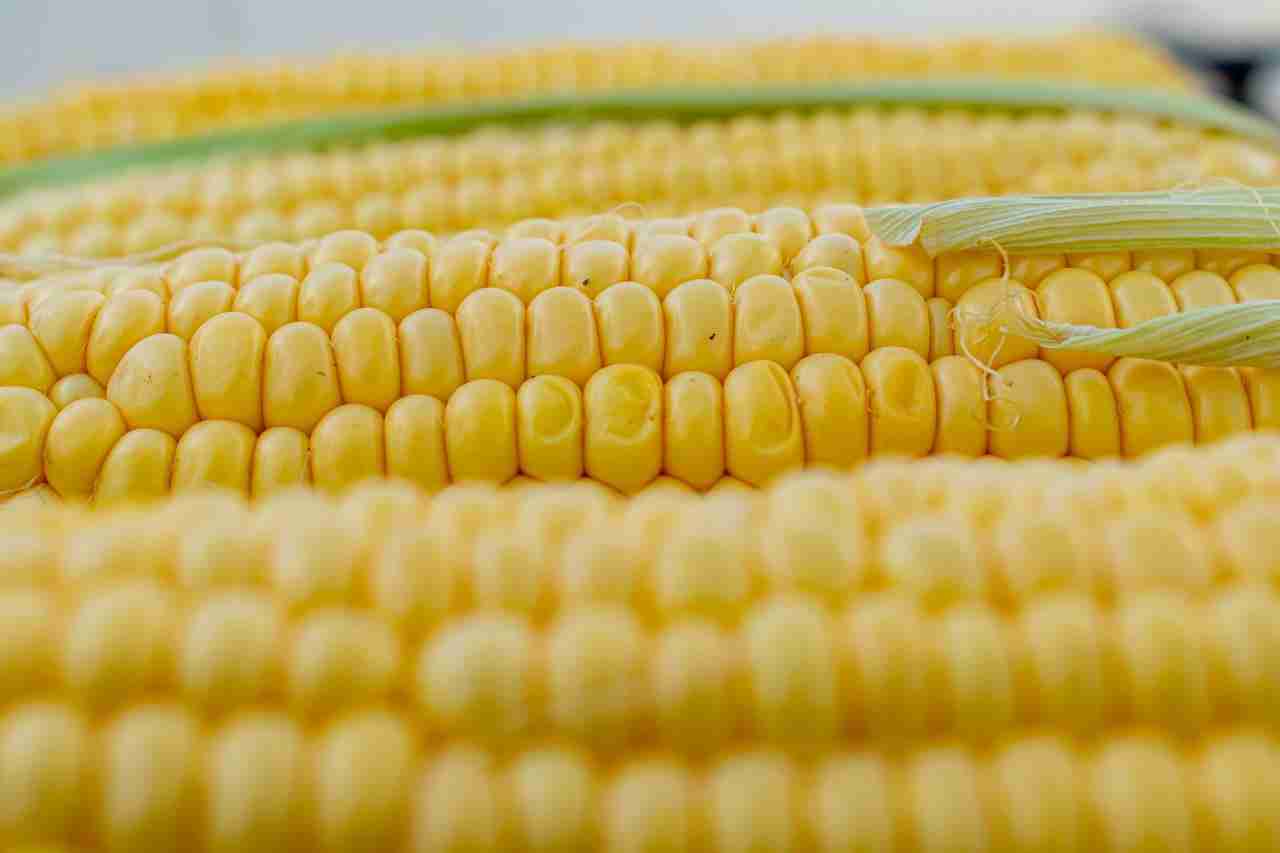
Exploring the Roots: A Deep Dive into Corn Cultivation Practices
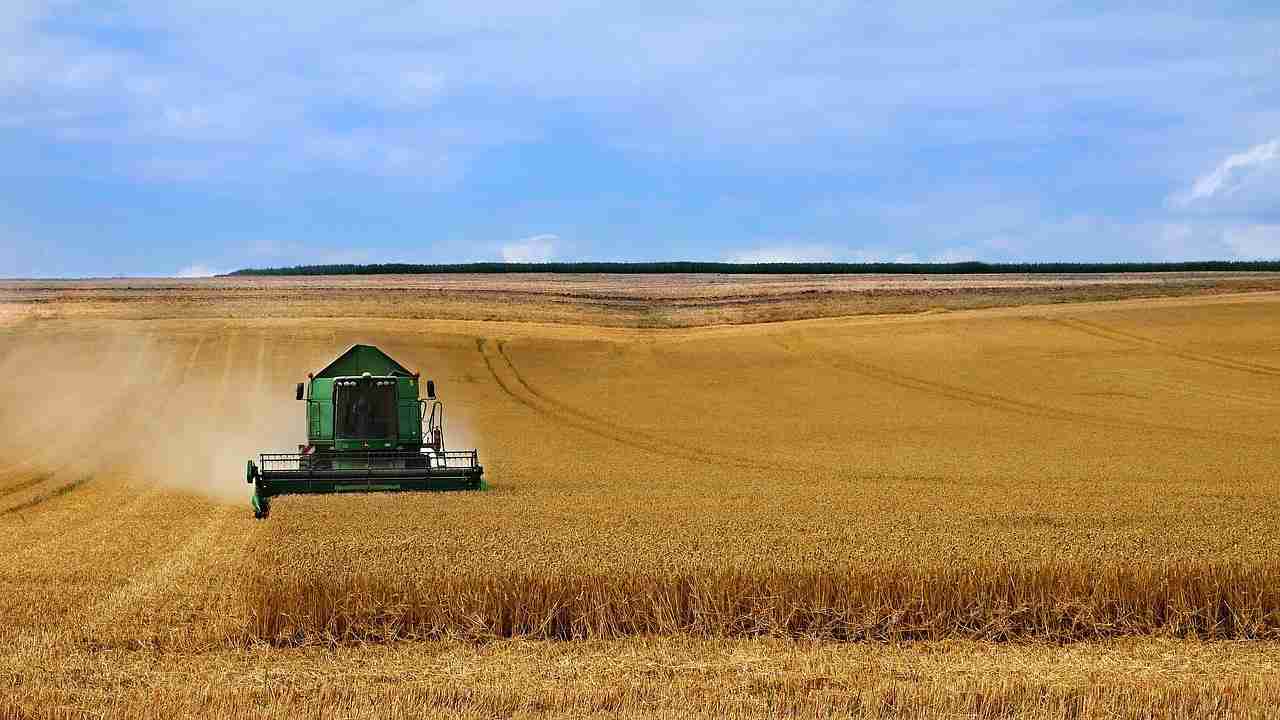
Corn cultivation is a time-honored tradition deeply rooted in agricultural communities across the globe. This versatile crop thrives in various climates, thanks to its adaptability and resilience. Farmers often begin the journey with a meticulous selection of seed varieties, considering factors like climate, soil type, and market demand. Once the seeds are chosen, meticulous land preparation follows, which may include:
- Clearing the field of debris or previous crops
- Soil testing to assess nutrient levels
- Incorporating organic matter for improved fertility
As the seeds are sown, farmers leverage innovative irrigation practices to ensure optimal moisture levels, a crucial factor in achieving high yields. Crop rotation and integrated pest management are also vital, promoting soil health and reducing dependency on chemical inputs. At various growth stages, farmers monitor crop health and apply necessary interventions, such as:
- Fertilizers to replenish nutrients
- Pesticides to combat pests
- Weed control methods to minimize competition
| Stage of Growth | Key Practices |
|---|---|
| Planting | Soil preparation, seed selection |
| Vegetative | Irrigation, nutrient management |
| Reproductive | Pest control, monitoring plant health |
Harvesting Value: The Transformation of Corn into Food Products
The journey of corn from lush fields to the shelves of grocery stores is a remarkable transformation that reflects both nature’s bounty and human ingenuity. Once harvested, corn undergoes a meticulous process that converts its raw potential into a myriad of nutritious products. This transformation involves a series of carefully orchestrated steps, including drying, milling, and processing, which are essential to unlock the myriad of benefits locked within each kernel. Key products derived from corn include:
- Cornmeal: Finely ground kernels used in baking and cooking.
- High fructose corn syrup: A sweetener found in countless processed foods.
- Corn oil: Extracted from the germ, a popular cooking oil.
- Snack foods: Tortilla chips, popcorn, and corn snacks are derived from corn.
- Livestock feed: An important product that supports agricultural sustainability.
Utilizing corn not only fulfills dietary needs but also promotes economic growth by creating jobs and fostering innovation within food production systems. The versatility of corn allows manufacturers to experiment with various formulations, leading to the development of new, innovative food items that cater to diverse consumer preferences. Below is a table showcasing some notable corn-based food products along with their primary uses:
| Product | Primary Use |
|---|---|
| Corn Flakes | Breakfast cereal |
| Polenta | Italian side dish |
| Popcorn | Snack food |
| Cornstarch | Thickening agent |
Nutritional Evolution: Understanding the Benefits of Processed Corn
The journey of corn from field to table is fascinating, reflecting a world where ancient agricultural practices meet modern processing techniques. As corn undergoes various transformations, it takes on a multitude of forms, each with unique benefits. Processed corn, often seen in products like cornmeal, cornstarch, and corn syrup, offers not just convenience but also enhanced nutritional value. For instance, while fresh corn is rich in fiber, its processed counterparts often provide essential vitamins and minerals in concentrated forms, making them a valuable addition to a balanced diet.
One of the standout advantages of processed corn lies in its versatility and availability. The various forms of processed corn can be utilized in numerous culinary applications, from baking to thickening sauces. Some key benefits include:
- Enhanced shelf-life: Processed corn items often last longer, reducing waste.
- Fortified options: Many processed corn products are enriched with vitamins and minerals, providing additional nutritional benefits.
- Dietary flexibility: From gluten-free flour to natural sweeteners, processed corn caters to various dietary needs.
When assessing the nutritional profile of processed corn products, it’s crucial to look beyond the surface. Below is a simple comparison highlighting the benefits of different processed corn items:
| Processed Corn Type | Key Nutrients | Health Benefits |
|---|---|---|
| Cornmeal | Fiber, Protein | Improves digestion, supports fullness |
| Cornstarch | Minimal, high carbohydrate | Quick energy source, thickening agent |
| Corn Syrup | Fructose, Glucose | Natural sweetening alternative |

Sustainable Innovations: Recommendations for a Greener Corn Industry
As the corn industry continues to evolve, it is imperative to embrace sustainable practices that align with environmental stewardship while enhancing productivity. One effective approach is the adoption of precision agriculture technology, which utilizes data analytics to optimize inputs such as water, fertilizers, and pesticides. This not only minimizes waste but also helps farmers make informed decisions resulting in higher yields. Additionally, implementing crop rotation and cover cropping can significantly improve soil health, enhance biodiversity, and mitigate the effects of climate change. By focusing on natural systems and biodiversity, the industry can promote a healthier ecosystem around corn production.
Moreover, investing in biotech advancements can lead to breakthroughs that reduce the carbon footprint of corn farming. Biotech crops, engineered for resilience against pests and diseases, require fewer chemical inputs, trimming down harmful runoff into surrounding habitats. Another innovative strategy is developing more efficient bioprocessing techniques. This minimizes energy consumption and maximizes the use of byproducts, allowing for the creation of value-added goods from corn waste. With a collective focus on these sustainable innovations, the corn industry has the potential to not only thrive economically but also lead the way in environmental responsibility.
Key Takeaways
As we draw the curtains on our exploration of the transformative journey from humble cornfield to processed product, we are reminded of the intricate tapestry woven by nature, technology, and human ingenuity. Each stage of this journey, from the nurturing of golden kernels under the vast sky to the meticulous processes that bring them into our homes, tells a story of dedication, innovation, and connection.
Understanding this evolution not only deepens our appreciation for the foods we consume but also highlights the essential role we all play in the agricultural narrative. As consumers, our choices impact the very paths these crops take, and our awareness can foster a relationship with our food that transcends the merely transactional.
the journey from cornfield to processed goodness is not just about the transformation of a crop; it’s a reflection of our collective journey toward sustainability, responsibility, and a deeper understanding of the world around us. Let us carry this awareness forward, celebrating the efforts behind every bite, and cherishing the stories that nourish our bodies and our communities.



