
Uncovering the Art and Science of Maize Milling
In the heart of agricultural practices lies a process that transforms humble kernels into a staple ingredient revered across cultures: maize milling. This intricate dance of tradition and technology is more than just converting corn into flour; it is a symphony of time-honored techniques and cutting-edge science. From the sun-soaked fields where maize is cultivated to the bustling mills that reverberate with the sounds of grinding machinery, the journey of maize speaks to the essence of sustenance and innovation. As we delve into the art and science of maize milling, we will explore the methods that have evolved through generations, the meticulous craftsmanship involved, and the underlying principles that ensure this ancient grain continues to serve as a foundation for countless culinary creations around the world. Whether you’re a foodie intrigued by the milling process or a curious mind seeking to understand the interplay between agriculture and technology, this exploration will reveal the fascinating world behind one of humanity’s oldest food sources.
The Cultural Heritage of Maize Milling Practices
The practice of milling maize transcends mere utility; it embodies a rich tapestry of cultural significance and tradition. For many communities around the world, the art of transforming maize into flour is steeped in history, reflecting local customs and ancestral knowledge. Ceremonial milling, for instance, is a prominent aspect of various cultural rituals, where the milling process is accompanied by music, dance, and storytelling, further embedding it within the social framework. The tools used, ranging from traditional stone mills to hand-cranked devices, often symbolize a connection to the past, making the milling of maize not just a step in food preparation but a celebration of identity and heritage.
Moreover, the milling practices are often passed down through generations, fostering a sense of community and belonging. Key characteristics of these practices include:
- Unique grinding techniques that vary by region
- The incorporation of local flavors and ingredients that complement the maize
- Culinary traditions that showcase the final product in various dishes, from tortillas to tamales
Understanding the cultural heritage associated with maize milling involves recognizing the social structures and values that surround it. The table below illustrates some of the diverse maize milling methods around the globe, highlighting their unique characteristics and cultural contexts:
| Region | Milling Method | Cultural Significance |
|---|---|---|
| Mexico | Metate (Stone Mill) | Central to tortilla-making ceremonies. |
| South Africa | Grinding Stones | Traditional family gatherings. |
| India | Sil Batta (Stone Grinder) | Integral to community feasts and festivals. |
Understanding the Milling Process: Techniques and Technologies
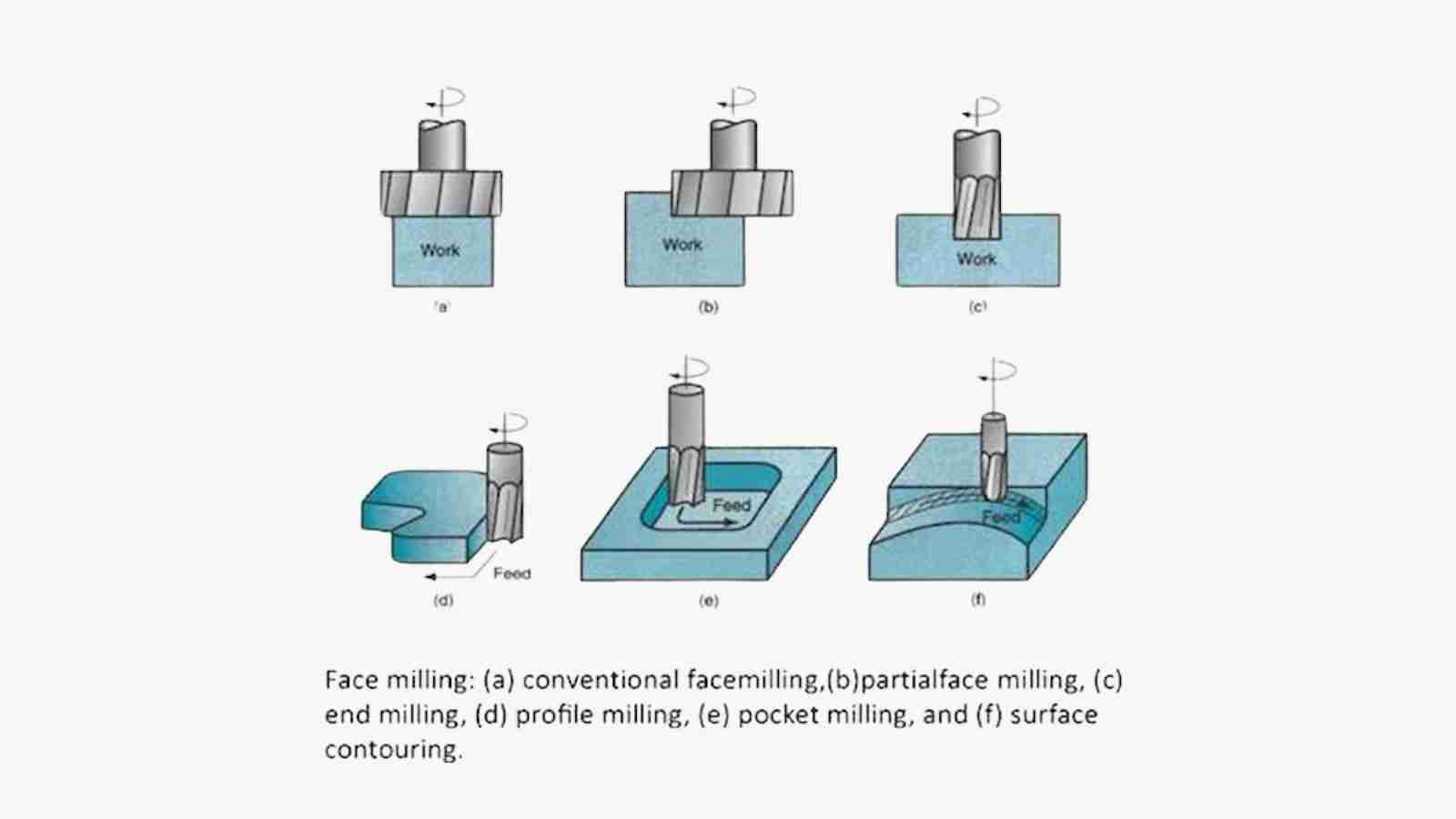
The milling process is an intricate dance of engineering and artisan skill, transforming raw maize into a variety of products that nourish millions. At its core, the milling process comprises several key techniques, including dry milling and wet milling. Dry milling is often employed to produce coarse and fine flours, as well as grits, while wet milling allows for the separation of starches, proteins, and fibers, resulting in a range of specialized products, from corn syrup to masa flour. Each technique requires careful control of moisture content and temperature, ensuring that the final product maintains the essential qualities of maize, such as flavor, aroma, and nutritional value.
Technological advancements have significantly enhanced the efficiency and effectiveness of milling operations. Modern mills utilize computerized systems and automation, which allow for precise control over milling parameters. Advanced equipment, like roller mills and impact mills, optimize the particle size distribution and improve the extraction rates. Furthermore, the integration of sustainability practices—such as waste recycling and energy conservation—has transformed milling into a more environmentally responsible process. With these innovations, the maize milling industry continues to adapt, ensuring high-quality outputs while minimizing environmental footprints.
| Technique | Key Products |
|---|---|
| Dry Milling | Flour, Grits, Cornmeal |
| Wet Milling | Starch, Syrups, Ethanol |
Nutritional Impact: How Milling Affects Maize Quality
Milling maize is not just a process of grinding; it plays a crucial role in determining the nutritional profile of the final product. When maize kernels are milled, they undergo various transformations that can impact their nutrient composition. The whole grain is composed of three main parts: the germ, the endosperm, and the bran. Each of these components contains distinct nutrients that are crucial for health. For instance, the germ is rich in vitamins B and E, healthy fats, and antioxidants, while the bran provides dietary fiber and minerals. However, traditional milling methods often result in the removal of the bran and germ, leading to a product that is significantly lower in essential nutrients compared to whole maize flour.
Additionally, the method and extent of milling can further influence the bioavailability of nutrients. Factors to consider include:
- Type of milling: Stone ground vs. roller milling
- Ground particle size: Coarse vs. fine milling affects digestion
- Quality of maize: Varietal differences impact nutrient retention
To illustrate the nutritional changes, a comparison can be made between whole maize flour and white maize flour. The table below summarizes key nutritional components per 100g.
| Component | Whole Maize Flour | White Maize Flour |
|---|---|---|
| Calories | 365 | 364 |
| Protein (g) | 9 | 7 |
| Fiber (g) | 7 | 2 |
| Fat (g) | 4 | 1 |
| Vitamin E (mg) | 1.44 | 0.01 |
This comparison highlights how milling practices can significantly alter the nutritional value of maize, underscoring the importance of choosing the right milling approach to maximize health benefits.

Sustainable Practices in Modern Maize Milling
The intersection of technology and tradition in maize milling has led to the emergence of sustainable practices that not only enhance efficiency but also reduce environmental impact. Modern mills are increasingly adopting eco-friendly technologies designed to minimize waste and conserve energy. For instance, many operations utilize renewable energy sources like solar and wind power, significantly decreasing their reliance on fossil fuels. Additionally, integrated systems that recycle water and recover heat from milling processes contribute to a more sustainable operation. The use of biodegradable packaging for maize products further supports a circular economy by reducing plastic waste and promoting compostability.
As the demand for transparency in food production grows, many maize milling facilities are now embracing sustainable sourcing practices. These practices ensure that the corn used is grown in an environmentally responsible manner, often through partnerships with local farmers. This not only supports the local economy but also emphasizes crop diversity and soil health. To track the impact of these practices, some mills are employing technology to report on their sustainability metrics, such as energy usage and waste management results. The following table highlights key sustainable initiatives adopted in the maize milling sector:
| Initiative | Description |
|---|---|
| Renewable Energy Use | Adopting solar and wind energy to power milling operations. |
| Water Recycling | Systems that reclaim and reuse water for processing. |
| Biodegradable Packaging | Transitioning to eco-friendly materials for product packaging. |
| Sustainable Sourcing | Partnering with local farmers to ensure responsible maize cultivation. |
In Conclusion
In the intricate dance between tradition and innovation, the art and science of maize milling emerge as a fascinating narrative woven into the fabric of countless cultures. From the ancient practices passed down through generations to the cutting-edge technologies redefining efficiency and quality, this process represents more than just the conversion of grain into flour; it embodies the very essence of sustenance and community. As we’ve explored, each kernel carries with it a story of agricultural heritage, scientific advancements, and artisanal skill, all converging to produce a staple that nourishes millions.
As we close this exploration, we invite you to reflect on the journey of maize—from the vibrant fields where it grows to the milling process that finely grinds its potential. Whether you are a farmer, a baker, or simply a curious mind, the world of maize milling holds something for everyone to appreciate. Embrace the rich tapestry of flavors, histories, and innovations, and let your next meal be a testament to this remarkable grain’s journey. After all, in every bite, we taste not only nourishment but also the labor, care, and ingenuity that keeps this ancient grain alive in our modern world.



