
Transforming Grain to Goodness: The Automatic Rice Mill Plant
In a world increasingly driven by technology and efficiency, the journey from field to table has never been more vital. Rice, a staple food for half of the global population, holds a special place in our culinary landscape. Yet, the path it takes from harvest to consumption is often overlooked, despite its importance in feeding billions. Enter the automatic rice mill plant, a marvel of modern engineering that revolutionizes this age-old process. This article explores the intricate workings and benefits of these automated facilities, highlighting how they transform raw grain into the wholesome, nourishing goodness that graces our plates. With a focus on sustainability, productivity, and food quality, we delve into the heart of innovation in rice milling, uncovering how technology is reshaping the way we understand and appreciate one of our most essential grains.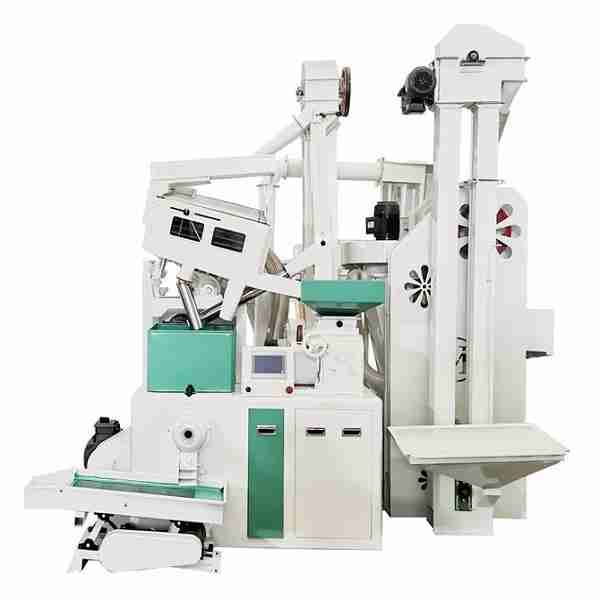
The Role of Automatic Rice Mill Plants in Sustainable Agriculture
Automatic rice mill plants are evolving at the forefront of sustainable agricultural practices, significantly reducing waste while enhancing efficiency in grain processing. These advanced facilities utilize state-of-the-art technology to minimize energy consumption and optimize production, ensuring that each grain harvested reaches its fullest potential. By employing precision milling techniques, these plants can produce various rice qualities, catering to diverse markets and consumer preferences. Key benefits include:
- Reduced Environmental Impact: Automation helps in minimizing carbon footprints by reducing manual labor and energy consumption.
- Waste Management: By-products can be utilized for multiple purposes, such as animal feed or organic fertilizer.
- Quality Assurance: Consistent processing standards ensure high-grade output, meeting both local and international market demands.
Furthermore, such plants play a crucial role in supporting local farmers by offering them a reliable platform for their produce. This not only helps in stabilizing market prices but also fosters economic growth within rural communities. The establishment of local automatic rice mills promotes self-sufficiency and provides farmers with equitable opportunities. A simple overview of the operational aspects and benefits of these facilities can be summarized as follows:
| Operational Aspects | Benefits |
|---|---|
| Automation | Increased efficiency and reduced labor costs |
| Quality Control | Consistent product quality and safety |
| Local Processing | Empowers farmers and boosts local economies |
Efficiency and Productivity: Key Benefits of Automation in Grain Processing
Automation in grain processing significantly enhances both efficiency and productivity, allowing mills to operate at unprecedented levels. By incorporating advanced machinery and technology, tasks that once required extensive manual labor can be executed swiftly and accurately. Automated processes such as moving, cleaning, and milling grains not only reduce the risk of human error but also ensure consistency in product quality. This not only streamlines operations but also minimizes downtime, enabling mills to meet increasing demand without compromising on standards. The seamless integration of automation also allows for real-time monitoring and adjustments, paving the way for optimized performance and resource management.
Furthermore, the impact on labor dynamics is substantial, as automation reduces the physical strain on workers and allows for a refocusing of human resources towards more strategic roles within the production cycle. The implementation of sophisticated software systems and intelligent machinery leads to increased processing speeds and reduced operating costs. Key benefits include:
- Reduced Waste: Efficient grain handling and processing minimize losses.
- Enhanced Productivity: Higher throughput without sacrificing quality.
- Labor Cost Savings: Fewer hands required for repetitive tasks.
To highlight the measurable impacts, consider the following table showcasing operational improvements achieved through automation:
| Parameter | Pre-Automation | Post-Automation |
|---|---|---|
| Processing Speed (tons/hour) | 2 | 10 |
| Labor Hours/ton | 5 | 1 |
| Product Quality Consistency (%) | 75 | 95 |
This shift not only leads to heightened workflow efficiency but also equips businesses to respond more adeptly to market fluctuations, ultimately securing a competitive edge in the grain processing industry.
Technological Innovations Shaping the Future of Rice Milling
The landscape of rice milling is undergoing remarkable transformations, largely driven by a wave of technological innovations. Automatic rice mill plants are incorporating smart automation and artificial intelligence to enhance productivity and efficiency. These advanced systems not only optimize operational processes but also ensure the highest quality of the end product. Innovations such as sensor technology for real-time monitoring and control, and automated quality analysis systems help to reduce human error and minimize waste. The incorporation of machine learning algorithms allows for predictive maintenance, which can significantly lower operational downtime and maintenance costs.
Moreover, energy efficiency and sustainability have become key focus areas in modern rice milling. Various technologies are being adopted to reduce energy consumption throughout the milling process. Features such as tyre-driven energy regeneration and solar-powered systems are leading the charge towards a greener approach in grain processing. Implementation of IoT solutions enables seamless integration of data analytics to monitor energy use, ensuring that mills operate not only efficiently but also environmentally responsibly. The integration of such technologies fosters a holistic method to rice milling that prioritizes both profitability and ecological balance.
Best Practices for Operating an Automatic Rice Mill Plant Effectively
To ensure the smooth operation of an automatic rice mill plant, the first step is to maintain consistency in raw material quality. Sourcing high-grade paddy is essential, as it directly influences the final product’s quality. Regular quality checks should be implemented to verify moisture content, impurities, and overall grain health. In addition, it’s crucial to establish robust storage conditions to prevent spoilage; using airtight containers and climate control can significantly extend the shelf life of paddy before milling. Furthermore, operators should engage in routine maintenance programs that include calibrating machines and cleaning components to enhance efficiency and reduce downtime.
Another key aspect of effective management lies in optimizing the milling process, which can be achieved by employing smart technology and innovative practices. Utilizing data analytics enables operators to monitor machine performance in real time, allowing for instantaneous adjustments to improve output quality and efficiency. Additionally, implementing a staff training program is vital; well-informed employees are more adept at troubleshooting and ensuring that equipment operates at peak performance. Regular workshops can empower staff with the expertise needed to adapt to technological advancements in milling, fostering a culture of continuous improvement and adaptability.
The Conclusion
As we conclude our exploration of the Automatic Rice Mill Plant, it becomes clear that the journey from grain to goodness is not merely a mechanical process but a harmonious blend of innovation, efficiency, and sustainability. This marvel of engineering stands at the crossroads of tradition and technology, ensuring that the staple food of millions is processed with care and precision.
The transformation of rice, from paddy to polished grain, reflects the dedication of those who work tirelessly behind the scenes, driven by a commitment to quality and progress. The automatic rice mill, with its advanced features and streamlined operations, serves not only to enhance productivity but also to promote environmental stewardship. By minimizing waste and optimizing resource usage, these plants play a crucial role in the quest for a more sustainable future.
As we look ahead, it is evident that such innovations will continue to shape the agricultural landscape, empowering farmers and businesses alike. In a world where food security remains a pressing concern, the Automatic Rice Mill Plant stands as a testament to the potential of technology to transform, uplift, and nourish communities.
In this dance of grain and machinery, the promise of good food and a better tomorrow unfolds, inviting us all to appreciate the intricate processes that feed our lives. Let us celebrate this transformation and embrace the possibilities it offers, as we continue to strive for a future where each grain truly becomes a symbol of goodness.



