
Corn Processing: From Farm to Fiber and Flavor
In the heartland of America, where the golden waves of cornfields stretch towards the horizon, a transformation begins far beyond the simple harvest. With each ear of corn picked comes a journey—a metamorphosis that spans from farm to fiber and flavor. Corn, a humble staple that has nourished generations, is not merely cultivated for its kernels; it’s a versatile powerhouse that fuels industries, crafts culinary delights, and serves as the backbone of countless products we encounter daily. This article invites you to explore the intricate processes that breathe life into this ordinary grain. From the sun-drenched fields where it’s grown to the innovative methods that unlock its myriad uses, we delve into the fascinating world of corn processing. Join us as we uncover how this versatile crop becomes not just food, but also the essence of flavor and the fabric of our lives.
Exploring the Journey of Corn: Cultivation Techniques and Sustainable Practices
In the vibrant tapestry of agriculture, corn stands out not only as a staple food source but also as a versatile crop with immense potential. The journey begins in the field, where farmers employ a blend of traditional wisdom and advanced techniques to cultivate this golden grain. Key practices include:
- Soil Health Management: Utilizing cover crops and crop rotation to maintain nutrient-rich soil.
- Precision Agriculture: Implementing technology such as GPS for efficient planting and resource usage.
- Integrated Pest Management: Combining biological control with sustainable pesticides to protect yields while minimizing environmental impact.
Once harvested, corn undergoes a fascinating transformation, moving from the farm to processing facilities where it becomes a pivotal ingredient in countless products. In this phase, sustainable practices continue to play a critical role as producers focus on reducing waste and enhancing efficiency. The following table outlines common corn-based products and their uses:
| Product | Uses |
|---|---|
| Corn Starch | Thickening agent in cooking, biodegradable packaging |
| Corn Oil | Cooking oil, biodiesel |
| Corn Syrup | Sweetener in food products |
| Animal Feed | Livestock nourishment, nutritional supplements |
By prioritizing practices that align with ecological balance, the corn processing journey not only meets global food demands but also contributes positively to environmental sustainability. This commitment to responsible cultivation and processing underscores the importance of corn in our diets and economy.
Transforming Kernels: The Science Behind Corn Processing Methods
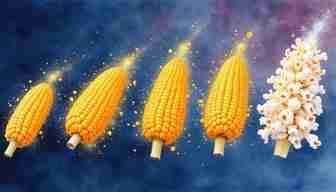
Corn processing takes advantage of the unique structural composition of kernels to create a myriad of products that cater to diverse culinary and industrial needs. At the heart of this transformation lies the kernel’s anatomy, featuring three primary components: the endosperm, germ, and pericarp. Each part plays a critical role in various processing methods, from wet milling to dry milling, allowing for the extraction of starches, oils, and proteins. Processes like fermentation and hydrolysis further break down components, enabling the production of sweeteners, alcohols, and a range of biodegradable materials. This multi-faceted processing not only enhances flavors but also modifies texture, creating products like cornmeal, tortillas, and cornstarch that are staples across various cultures.
Moreover, corn’s versatility extends beyond food applications into sectors like bioplastics and textiles, showcasing the innovation born from kernel transformation. The shift towards sustainable practices has encouraged researchers to explore methods such as enzyme hydrolysis, which optimizes starch extraction while minimizing environmental impact. As innovations continue to emerge, corn’s by-products are being reimagined; for instance, byproducts from ethanol production are harnessed as protein sources in animal feed or as bio-based materials in manufacturing. This interconnectedness between processing techniques and end products illustrates the science of corn, highlighting its potential to contribute to both flavor on our plates and sustainability in our lives.
Fiber Fortification: Innovative Uses of Corn in Nutritional Products
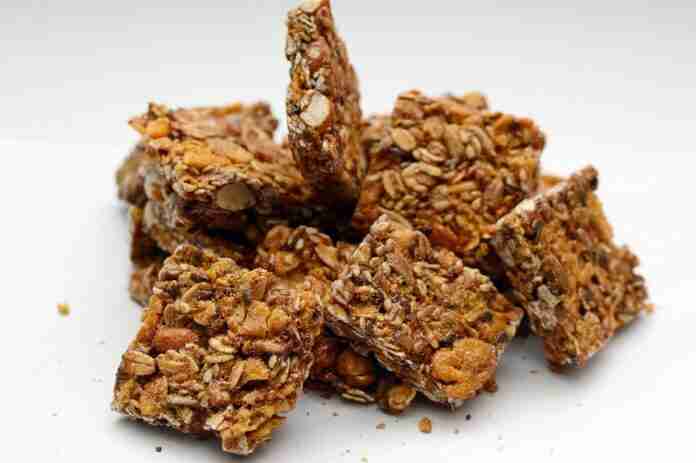
As a versatile grain, corn is increasingly recognized for its potential in enhancing dietary fiber content in various nutritional products. Fiber fortification using corn derivatives, such as corn bran and corn fiber, can significantly boost fiber intake among consumers. Innovative processing methods, including dry milling and fermentation, allow manufacturers to extract soluble and insoluble fibers that play critical roles in digestive health. Incorporating these corn-based fibers into products like cereals, snacks, and plant-based proteins can help meet daily fiber recommendations without compromising flavor.
Moreover, the functional properties of corn fibers create exciting opportunities in the realm of food formulation. Given their ability to enhance texture and moisture retention, corn fibers can be used to improve the mouthfeel of low-calorie and gluten-free alternatives, catering to diverse dietary preferences. The following table highlights the notable attributes of different corn fiber products:
| Corn Fiber Type | Solubility | Main Benefits |
|---|---|---|
| Corn Bran | Insoluble | Promotes digestive health |
| Corn Fiber | Soluble | Supports cholesterol reduction |
| Modified Starches | Both | Enhances texture and consistency |
This synergy of nutrition and creativity paves the way for a new era of food products, where corn not only serves as a staple crop but also acts as a functional ingredient that contributes meaningfully to health-oriented consumer choices. With a growing demand for high-fiber foods, the potential for innovative applications of corn in the industry is truly limitless.

Enhancing Flavor Profiles: Culinary Applications of Corn Derivatives
Corn derivatives offer a treasure trove of flavor possibilities, transforming simple dishes into culinary masterpieces. The versatile nature of corn allows chefs and home cooks alike to experiment with a variety of ingredients derived from this staple grain. Some popular applications include:
- Cornmeal: Ground corn is a staple in various cuisines, lending a hearty texture to cornbread, polenta, or even batter for frying.
- Corn syrup: Used as a sweetener to enhance desserts, corn syrup plays a critical role in achieving the perfect balance in sauces and glazes.
- Corn starch: Beyond thickening soups and gravies, it brings a delightful crunch to coatings and batters.
- Popcorn: With a unique flavor and crunch, popcorn not only serves as a popular snack but also brings an interesting texture in dishes like gourmet salads.
Incorporating corn derivatives into cuisine not only enriches flavor but also introduces a range of textures and aromas. For instance, the inclusion of corn oil can elevate dressings and marinades, infusing them with a subtle, nutty essence. Below is a quick reference table to illustrate the diverse uses of corn derivatives in the kitchen:
| Corn Derivative | Common Use | Flavor Profile |
|---|---|---|
| Cornmeal | Bakery items, Batter | Earthy, Nutty |
| Corn Syrup | Pastries, Sauces | Sweet, Mild |
| Corn Starch | Thickening Agent | Neutral |
| Corn Oil | Cooking, Dressings | Light, Buttery |
This expansive application of corn derivatives not only enhances taste but also brings innovative techniques into the modern kitchen, allowing for creativity and sustainability in every bite.
In Retrospect
the journey of corn from the sun-soaked fields to its myriad applications in fiber and flavor illustrates the remarkable versatility of this humble grain. As we peel back the layers of corn processing, we see not only the innovation and technology that drive its transformation but also the deep-rooted traditions that celebrate its history. From sustainable farming practices that nourish the land to cutting-edge methods that elevate our culinary experiences, corn continues to play a pivotal role in our lives. As we look to the future, the ongoing evolution of corn processing promises to unlock even more potential, bridging the gap between tradition and modernity. Whether enjoyed on the plate or woven into the fabric of our daily existence, corn stands as a testament to nature’s bounty and human ingenuity—reminding us that every bite and fiber has a story to tell.



