
Behind the Scenes: The Journey of Rice from Grain to Mill
Rice, a staple food for more than half of the world’s population, often appears on our plates with little thought given to its remarkable journey from field to fork. This unassuming grain carries with it a story steeped in tradition, innovation, and intricate processes that take place long before it reaches our kitchens. In this article, we will take you behind the scenes to explore the transformative journey of rice—from the lush paddies where it is cultivated to the bustling mills that prepare it for consumption. Join us as we uncover the meticulous practices and dedicated efforts that breathe life into each grain, ensuring that when we serve our favorite dishes, they are not only nourishing but also the result of a complex and fascinating journey.
The Cultivation Chronicles: Growing Rice with Care and Precision
Embarking on the journey of rice cultivation is akin to nurturing a delicate symphony of nature, where each note plays a vital role in producing the wholesome grain we cherish. From the careful selection of seeds—heralds of quality and resilience—to the meticulous preparation of flooded fields, every step is undertaken with precision and care. Farmers often follow a rhythm dictated by the seasons, understanding that watching over their crops means tuning into the land’s cycles. This harmony is not just about planting; it involves a choreographed dance of water management, pest control, and soil health, all of which ensure that the crops thrive under the watchful eyes of their caretakers.
As the golden ears of rice begin to sway gently with the wind, the harvest time becomes a moment of both joy and labor. Utilizing a mix of traditional methods and modern technology, the collection process brings the grains one step closer to the mill. The harvested rice is then transported to processing facilities, where it undergoes transformation. In this crucial phase, husking, milling, and sorting take place, each stage designed to enhance the quality and flavor of the final product. The simplicity and richness of rice as a staple food is a testament to the journey it has taken, from seed to table, a journey shaped by human hands and natural elements.
| Stage of Cultivation | Description |
|---|---|
| Seed Selection | Choose high-quality seeds that are suited for local conditions. |
| Field Preparation | Flooding and leveling fields to create optimal growing conditions. |
| Water Management | Monitoring water levels to ensure proper growth and reduce pests. |
| Harvesting | Gathering the mature grain, utilizing both manual and mechanical methods. |
| Milling Process | Husking and milling to prepare the rice for consumption. |
Navigating the Harvest: Techniques and Tools for Optimal Yield
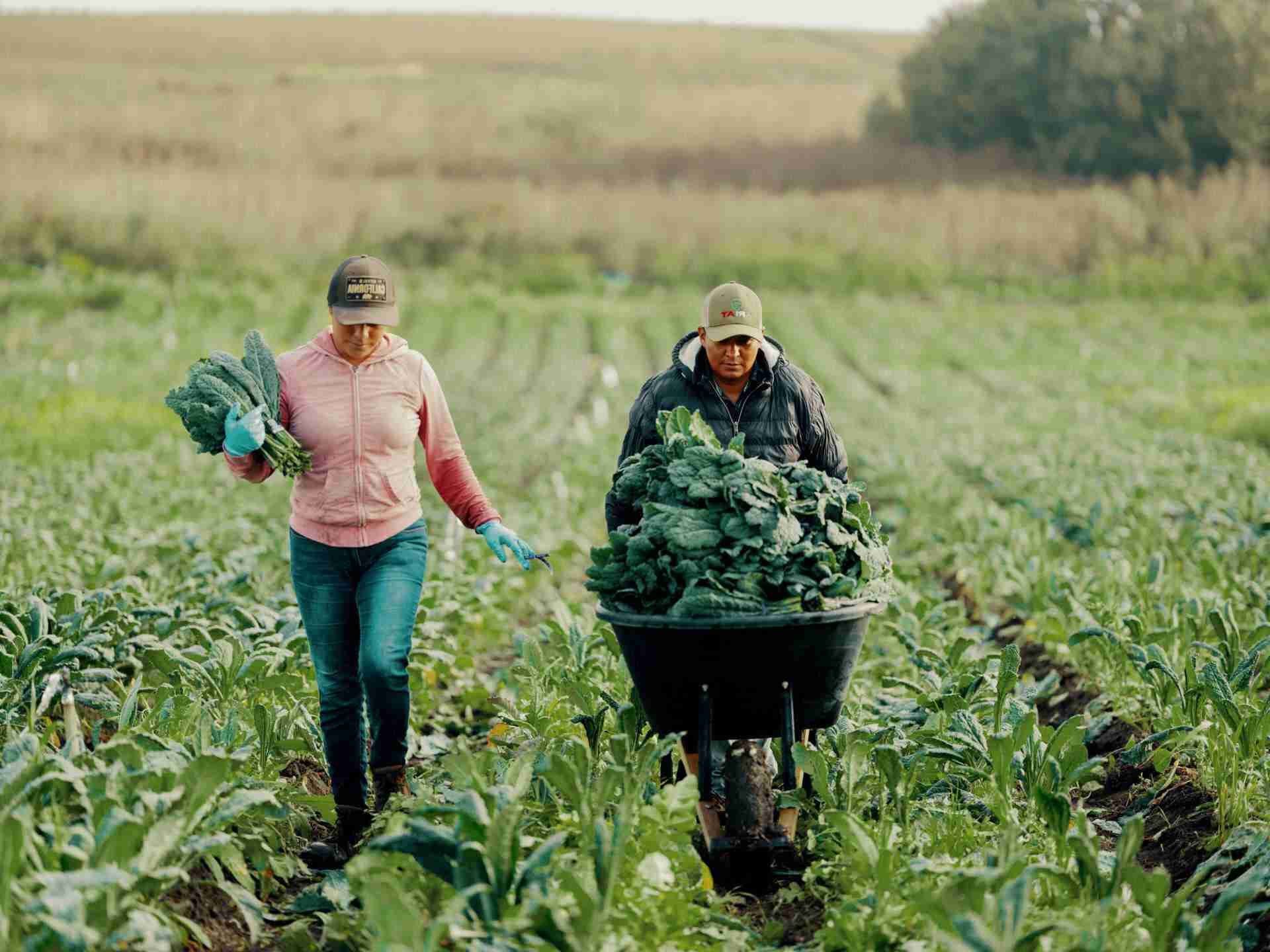
As the sun rises over the sprawling fields, the meticulous process of harvesting rice begins. Farmers employ traditional and modern techniques to ensure the grains are collected at their peak. Some of the most effective methods include:
- Sickle Cutting: A classic approach using a curved blade that allows for precise cuts while minimizing plant damage.
- Combine Harvester: For larger fields, machines that combine cutting, threshing, and collecting expedite the process, maximizing efficiency and reducing labor costs.
- Hand Harvesting: An artisanal technique that, while labor-intensive, can yield superior quality grains through careful selection and handling.
However, it’s not only the harvesting technique that determines the yield; the right tools are also essential. Farmers often rely on a variety of instruments to enhance productivity:
| Tool | Purpose |
|---|---|
| Rice Reaper: | To efficiently harvest rice while minimizing grain loss. |
| Threshing Machine: | To separate the grain from the stalk without harming the kernels. |
| Field Bin: | For temporary storage of harvested rice, keeping it dry and safe. |
Milling Magic: Transforming Grain to Nourishment
The journey of rice from its golden husks to the fine grains we recognize on our plates is nothing short of a magical metamorphosis. At the heart of this transformation lies the mill, a sacred space where ancient techniques meet modern technology. Here, the rice undergoes a process of cleaning, where impurities are meticulously removed, ensuring only the purest of grains make it through. Once cleaned, the grains face the next phase: milling. This crucial step involves removing the outer husk and bran layers, revealing the white starchy core that we love. With each spin of the millstone, a symphony of sights and sounds unfolds—the gentle hum of machinery and the soft thud of grains being polished to perfection.
As the rice emerges from the milling process, it is ready to fulfill its destiny as a source of nourishment. The freshly milled rice can take on several forms, tailored for diverse culinary delights. Here are some essential rice types produced at the mill, each with its unique character:
- White Rice: Polished with minimal bran content; ideal for everyday meals.
- Brown Rice: Retains its bran and germ layers, offering more nutrients and a nutty flavor.
- Jasmine Rice: A fragrant variety popular in Southeast Asian cuisines.
- Basmati Rice: Known for its long grains and aromatic profile, perfect for Indian dishes.
To better understand the milling process’s impact on rice varieties, consider this simple comparison:
| Rice Type | Milling Process | Nutritional Value |
|---|---|---|
| White Rice | Husk & bran removed | Lower, enriched |
| Brown Rice | Husk removed, bran intact | Higher, whole grain |
| Jasmine Rice | Husk & bran removed | Moderate, fragrant |
| Basmati Rice | Husk & bran removed | Moderate, aromatic |
Each type of rice not only provides a unique flavor but also embodies the rich cultural tapestry woven into our food systems. By putting grain through the transformative hands of meticulous milling, we bring the essence of rice to the forefront of our kitchens, celebrating its journey from field to feast.
From Field to Fork: Sustainable Practices in Rice Processing
Following the harvest, the transition of rice from field to mill is crucial in ensuring that the end product is not only of high quality but also sustainable. Various methods are adopted to minimize environmental impact during this transformation. Water-efficient irrigation systems are implemented to reduce waste, while crop rotation works to enrich soil health and decrease dependence on chemical fertilizers. Additionally, the adoption of organic pest control techniques preserves biodiversity and promotes a healthier ecosystem. Each of these practices contributes to producing rice that is both environmentally friendly and nutritionally beneficial.
Once harvested, the rice undergoes a meticulous processing journey that prioritizes sustainability at every stage. The initial step often includes natural sun-drying, which conserves energy compared to mechanical drying methods. After drying, the rice is husked using eco-friendly machinery that minimizes carbon emissions. The final milling process employs zero-waste principles, where by-products are either recycled into animal feed or converted into bioenergy. This complete value chain not only enhances the quality of rice but also reinforces the commitment to sustainability.
| Stages | Sustainable Practices |
|---|---|
| Harvesting | Water-efficient irrigation, Crop rotation |
| Drying | Natural sun-drying methods |
| Husking | Eco-friendly machinery |
| Milling | Zero-waste principles |
To Wrap It Up
As we conclude our journey through the intricate world of rice production, we hope this glimpse behind the scenes has shed light on the remarkable processes that transform humble grains into a staple ingredient found on tables worldwide. From the lush paddies echoing with the gentle sway of golden stalks to the rhythmic harmony of mill machinery, every step is a testament to the dedication and craftsmanship of those who cultivate and process this vital crop.
Understanding the journey of rice enriches our appreciation for each bowl we serve, reminding us that behind every meal lies a complex web of nature, labor, and innovation. As you savor your next dish of rice, may you carry with you a newfound respect for the journey it undertook—where centuries of tradition meet modern efficiency, and where every bite tells a story of resilience and sustenance. Thank you for joining us on this exploration; we invite you to continue discovering the stories that nourish our lives.



