
From Grain to Goodness: The Art of Rice Processing
In the heart of countless cultures and cuisines lies a humble yet transformative grain: rice. Revered for its versatility and vital role in feeding billions, rice represents more than just a staple; it is a bridge connecting traditions, histories, and culinary innovations. However, behind the simplistic allure of a steaming bowl of rice is a complex journey—a meticulous process that elevates raw grains to their flavorful, nourishing best. From the verdant fields where rice flourishes to the sophisticated techniques that refine its texture and taste, this article delves into the intricate dance of rice processing. Join us as we explore the art, science, and craftsmanship that turns grains of rice into a symbol of sustenance and culinary delight, highlighting the passion and innovation that shape this essential food staple.
Understanding Rice Varieties and Their Unique Properties
Rice, a staple food for over half the world’s population, boasts a variety of types, each with its own characteristics and uses in culinary traditions. Among the most popular varieties are Jasmine, known for its fragrant aroma and delicate texture, and Basmati, cherished for its long grains and nutty flavor. Short-grain varieties like Arborio are famed for their creamy consistency, making them the star of risottos, while Sushi rice is prized for its sticky quality essential in crafting the perfect sushi. These distinctive traits not only enhance dishes but also influence the rice processing methods employed, from milling to polishing.
The processing journey of rice influences its nutritional content and culinary application. Before arriving at your table, rice undergoes several key steps, including hulling, milling, and polishing. Each of these stages is pivotal, as they help to refine the grains and determine their ultimate flavor profile and texture. In the table below, various rice types are compared based on their processing stages, flavors, and typical culinary uses:
| Rice Variety | Processing Stage | Flavor Profile | Culinary Use |
|---|---|---|---|
| Jasmine | Hulled, Milled | Floral, Sweet | Stir-fries, Curries |
| Basmati | Hulled, Milled | Nutty, Earthy | Biryanis, Pilafs |
| Arborio | Hulled, Milled, Polished | Creamy, Mild | Risotto, Puddings |
| Sushi Rice | Hulled, Milled, Polished | Sticky, Mild | Sushi, Onigiri |
The Journey of Rice Milling: Techniques and Technologies
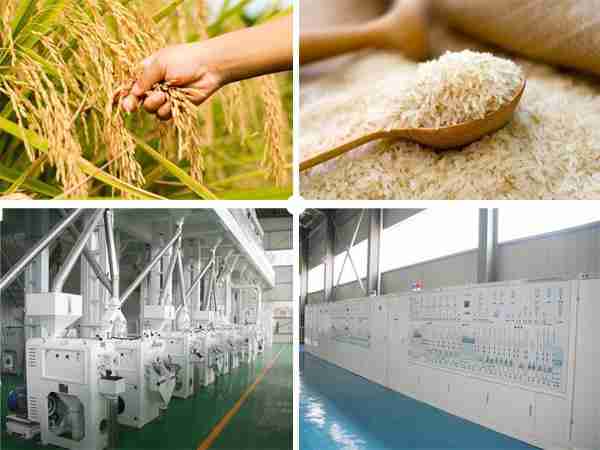
The process of rice milling has evolved remarkably over the centuries, transforming from labor-intensive methods dependent on human effort to sophisticated mechanical systems that enhance efficiency while preserving the grain’s integrity. Traditional techniques often involved the usage of mortar and pestle, where skilled hands meticulously removed the husk. This careful approach, though time-consuming, ensured that each grain was treated with respect, conserving its nutritional value. Today, modern milling machinery utilizes a series of advanced steps, featuring husk removal, polishing, and grading to yield high-quality rice that meets consumer demands. The influence of technology has introduced innovations such as digital monitoring systems and automated sorting machines, which not only speed up the process but also improve yield and reduce waste.
At the heart of contemporary rice processing lies a spectrum of machines engineered to handle each phase with precision. Common techniques include dry milling, which employs a combination of machines to separate the hull from the paddy, and wet milling, favored for its ability to maintain certain qualities of the grain. The key equipment often used in these methods is outlined below:
| Equipment | Function |
|---|---|
| Huskers | Remove the outer husk from the rice grain. |
| Whiteners | Polish the rice surface, enhancing its appearance. |
| Grading Machines | Sort rice by size, ensuring uniformity for market standards. |
As rice milling technology continues to advance, the focus on sustainability and efficiency grows, emphasizing practices that reduce environmental impact. Innovations such as solar power, biomass utilization, and water-efficient techniques are becoming increasingly prevalent, reflecting a commitment to not only processing rice but doing so responsibly and ethically. From field to plate, each step in the milling process embodies a rich heritage while embracing a future where quality and sustainability go hand in hand.
Preserving Nutritional Value: Best Practices in Rice Processing
To maintain the nutritional integrity of rice, careful attention must be paid to every stage of processing, from harvesting to packaging. One of the key practices involves minimizing the time between harvest and milling, as prolonged exposure to humidity and heat can lead to nutrient degradation. This can be achieved through the use of proper storage techniques that limit moisture absorption. Another crucial factor is the milling process itself; opting for brown rice instead of white rice not only retains the bran and germ but also keeps a higher nutritional content. Furthermore, utilizing milling techniques that are less aggressive can reduce the loss of vital vitamins and minerals.
One effective way to enhance nutrient retention is through parboiling, a process that involves soaking, steaming, and drying the rice before milling. This method drives nutrients from the bran into the starchy endosperm, which helps to elevate the overall nutritional profile of the rice. Additionally, incorporating fortification programs by adding vitamins and minerals can significantly boost the rice’s health benefits, especially in regions where nutritional deficiencies are common. Consumers can also play a role by choosing products that highlight their nutritional value, ensuring that the rice they select not only serves as a staple food but also contributes effectively to their dietary needs.
Innovations in Rice Packaging and Sustainability Efforts
As the demand for rice continues to grow globally, innovative packaging solutions are transforming both the consumer experience and the environmental impact of rice distribution. Among the exciting trends are biodegradable packaging options made from plant-based materials, which reduce plastic waste and promote a circular economy. These eco-friendly alternatives not only preserve the freshness of the rice but also reinforce sustainability efforts in agriculture. Additionally, intelligent packaging technology is gaining traction, utilizing QR codes and NFC chips that provide consumers with information about the origin, processing methods, and cooking instructions, fostering a deeper connection between the grain and the kitchen.
Furthermore, companies are exploring collaborative approaches to enhance their sustainability efforts. By partnering with local farmers and cooperatives, rice brands can implement sustainable farming practices that reduce water usage and chemical inputs. These initiatives are often supported by educational programs aimed at promoting agroecology and biodiversity. Some notable strategies include:
- Vertical Farming: Using less land and water while maximizing yield.
- Intercropping: Growing rice alongside legumes or other crops to enhance soil health.
- Water Management Systems: Implementing systems to optimize irrigation and reduce waste.
The impact of these innovations not only supports a healthier planet but also makes the journey of rice, from fields to tables, a more enriching experience for consumers.
Closing Remarks
As we wrap up our exploration of “From Grain to Goodness: The Art of Rice Processing,” it’s clear that the journey of rice is a testament to the harmony between nature and human ingenuity. Each step, from careful cultivation to meticulous processing, enriches this humble grain with stories of tradition, innovation, and sustainability. The delicate balance of art and science involved in transforming rice into the staple that nourishes billions is a reminder of the impact our choices can have on food quality and cultural heritage.
As you savor your next bowl of rice, consider the intricate processes that brought it to your table. Remember the farmers who nurture the fields, the processors who ensure its quality, and the myriad hands that make it all possible. In understanding this journey, we can better appreciate the simplicity and complexity of one of the world’s most cherished grains. May we continue to celebrate and support the artisans of rice processing, ensuring that each grain contributes not just to our meals, but to a sustainable and connected food system.



