
In the quiet hum of early morning kitchens, millions of people reach for a seemingly simple box, pour its contents into a bowl, and bask in the delightful crunch of their favorite cereal. Yet, what often goes unnoticed is the intricate journey that transforms humble grains into the breakfast staple that fuels our day. From the fertile fields where golden wheat and hearty oats are lovingly nurtured, to the bustling processing plants where cutting-edge technology meets time-honored traditions, the path from grain to bowl is a fascinating tapestry of agricultural expertise, engineering prowess, and scientific innovation. In this exploration, we will delve into the multifaceted world of cereal processing, uncovering the stages that bring our morning rituals to life, and revealing the unseen artistry behind every spoonful. Join us as we trace the journey of cereal – a story of sustenance, tradition, and the relentless pursuit of perfection.
Understanding the Grain: The Foundation of Cereal Quality
The intricate journey of cereal quality begins long before the grains are harvested. Understanding the composition of these grains is essential, as their quality directly influences the final product in your bowl. Factors such as varietal selection, growing conditions, and post-harvest handling play pivotal roles in determining the quality of cereal grains. Different types of cereals, such as wheat, corn, rice, and barley, possess unique characteristics that affect not only their nutritional value but also their texture and flavor when processed into breakfast cereals.
To grasp the significance of grain quality, consider the various attributes that determine the suitability of grains for cereal production:
- Protein Content: Higher protein levels often enhance the texture and fortification of cereals.
- Moisture Levels: Properly monitored moisture content is critical to prevent spoilage and ensure longevity.
- Kernel Hardness: Affects the milling process and ultimately the texture of the resultant cereal products.
- Grain Purity: Free from impurities contributes directly to taste and nutritional content.
Moreover, a careful inspection of emerging technologies in grain grading and processing can result in significant improvements in cereal quality. Advanced methods, like near-infrared spectroscopy (NIRS) and automated grain classification systems, are making it easier for manufacturers to select high-quality grains for production. This not only ensures an optimized final product but also highlights the importance of grain selection in the journey from field to table.
| Grain Type | Optimal Protein (%) | Texture Characteristics |
|---|---|---|
| Wheat | 10-15 | Chewy, Fluffy |
| Corn | 8-12 | Crispy, Crunchy |
| Rice | 7-10 | Soft, Sticky |
| Barley | 10-14 | Nutty, Chewy |
Harvesting Techniques: Maximizing Nutritional Value in Every Kernel
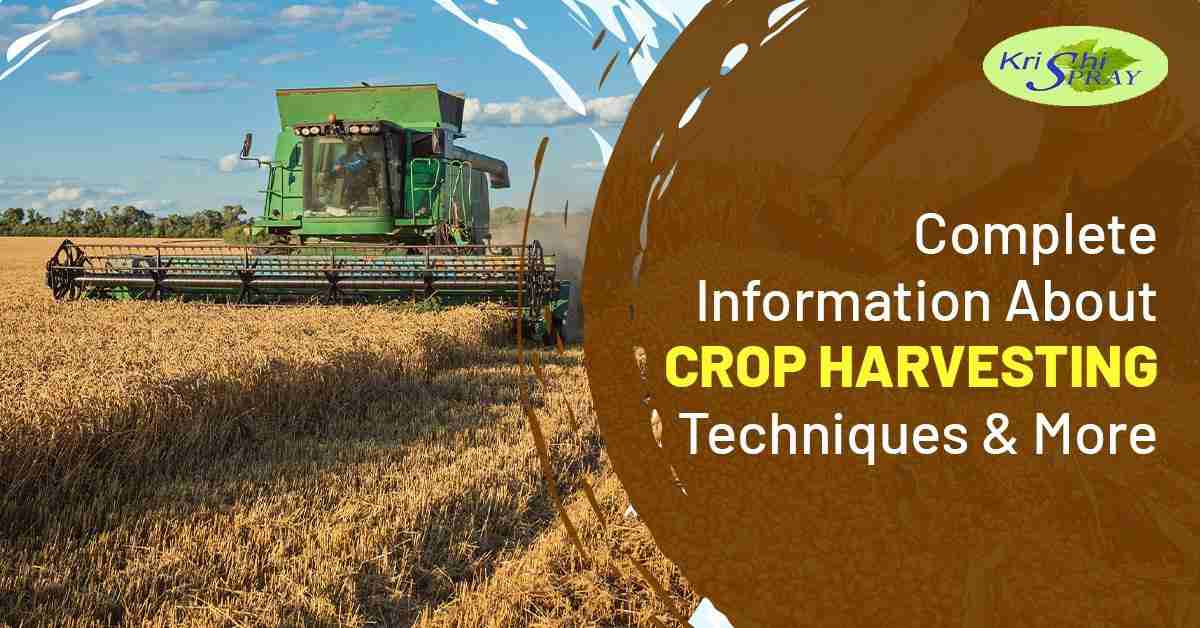
Successfully harvesting grains is an art that merges tradition with modern techniques, ensuring that every kernel retains its nutritional integrity. One method gaining traction is timely harvesting, which involves selecting the optimal moment for cutting the cereal plants—too early could mean underdeveloped grains, while too late might lead to losses due to weather damage or pest infestations. Utilizing advanced moisture sensors allows farmers to gauge the precise moisture content in the grains, optimizing the harvesting schedule. Furthermore, employing header adjustments ensures minimal loss by maximizing the length of the cut, capturing every valuable bit while minimizing shattering.
Post-harvest handling is equally critical in preserving the nutritional profile of cereal grains. Implementing gentle transport methods prevents bruising and damage, which can compromise quality. Post-harvest, grains should be rapidly dried to reduce moisture and halt microbial growth. Options such as solar dryers or mechanical drying systems can be employed based on climate and resources. Once dried, the grains can be stored in temperature-controlled silos that help regulate conditions and stave off spoilage. Here’s a simple breakdown of the key factors affecting nutritional retention:
| Factor | Impact on Nutrition |
|---|---|
| Harvest Timing | Optimal nutrient levels achieved. |
| Moisture Regulation | Prevents microbial damage. |
| Handling Practices | Minimizes nutrient loss during transport. |
| Storage Conditions | Maintains grain quality over time. |

The Journey of Transformation: Milling and Processing Explained
Transforming grain into the cereals we pour into our bowls each morning is a meticulous journey, governed by both art and science. The initial phase, milling, is crucial as it involves grinding the whole grain into flour while retaining essential nutrients. Millers employ various techniques, including stone, roller, and hammer milling, each imparting a unique texture and flavor profile to the final product. This process not only involves crushing the grain but also sifting to separate the bran, germ, and endosperm, thus creating distinct flour types that cater to different culinary uses. From whole wheat flour full of fiber to fine pastry flour, each milling method influences the characteristics of the flour, impacting what we eventually enjoy in our meals.
Following milling, processing brings the flour to life through various methods that enhance its usability and shelf life. This could entail mixing with water to create dough for bread or enriching it with vitamins and minerals for more nutritious options. The transformation continues with extrusion, where flour is cooked and shaped into cereals, providing a delightful crunch and unique flavors. In this phase, various sweeteners, flavorings, and additional ingredients can be introduced, contributing to the cereal’s final taste. Ultimately, the journey from grain to bowl is a complex orchestration of techniques and innovations aimed at delivering a wholesome and enjoyable breakfast experience.
| Process Stage | Description | Key Components |
|---|---|---|
| Milling | Grinding grain into flour | Bran, Germ, Endosperm |
| Processing | Transforming flour into edible products | Dough, Extrusion, Flavoring |
Sustainable Practices: Innovations for a Healthier Cereal Industry
As the cereal industry grapples with the ever-pressing need to become more environmentally responsible, innovative practices are emerging to create a greener future for breakfast lovers. From precision agriculture techniques that optimize resource usage to regenerative farming strategies that restore soil health, the approach to cereal production is evolving. Embracing vertical farming and hydroponics not only reduces the need for pesticides and fertilizers but also minimizes water consumption and land use, allowing for a more sustainable cycle from the farm to the final product on the grocery shelf. These methods bolster food security while appealing to a growing consumer demand for ethically produced goods.
Additionally, many companies are rethinking their supply chain logistics to enhance sustainability. By implementing zero-waste initiatives, they are transforming by-products into value-added components. For instance, leftover grains can be repurposed into high-protein snacks or animal feed, contributing to a circular economy. The use of biodegradable packaging is also on the rise, offering consumers a guilt-free way to enjoy their favorite cereals. As transparency becomes a key virtue, brands now provide detailed insight into their sourcing and production methods, ensuring that every step of the cereal journey embodies sustainable practices. Through these innovations, the industry is not just nourishing the body but also working toward a healthier planet.
To Conclude
As we conclude our exploration of the intricate journey from grain to bowl, it’s clear that this seemingly simple breakfast staple is the result of a complex interplay of nature, technology, and craftsmanship. Every spoonful of cereal carries with it the story of farmers tending to their fields, millers perfecting their craft, and brands innovating to meet our tastes and nutritional needs.
So, the next time you pour a bowl of your favorite cereal, take a moment to appreciate the journey it has undertaken — from the earth to your table. In that bowl lies not just a meal, but a testament to the dedication and ingenuity of countless individuals. As we continue to seek more sustainable practices and elevate the quality of our food, the journey of cereals reminds us that even the most ordinary choices can have extraordinary stories. Enjoy your cereal, knowing that it embodies a rich tapestry of tradition, innovation, and care.



