
Transforming Grains: A Journey Through Rice Processing Plants
In the world of agriculture, few grains hold as significant a role as rice—a staple food for over half the global population and a symbol of sustenance and culture in many societies. Yet, the journey from paddy to plate is often overlooked, shrouded in the intricacies of processing that turn harvested grains into the fluffy rice we know and love. This article invites you to embark on an exploration of rice processing plants, where raw grains undergo a remarkable transformation. Through sophisticated machinery, time-honored techniques, and innovative practices, these facilities play a crucial role in defining the quality and character of rice. As we navigate this fascinating journey—from the initial husking to the final packaging—we will uncover the technology, craftsmanship, and relentless dedication that together create the perfect bowl of rice, delving into the heartbeat of an industry that nourishes the world.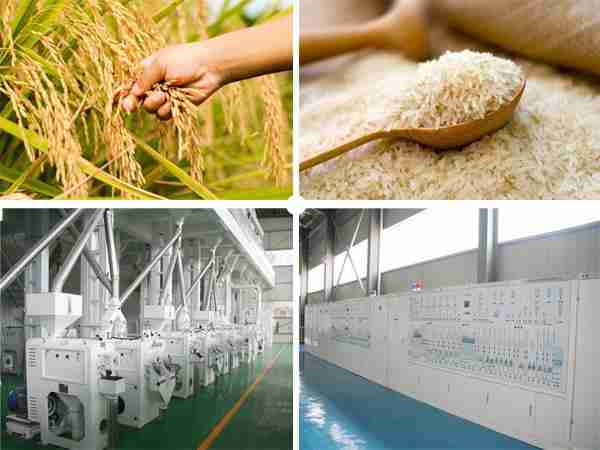
Exploring the Anatomy of Rice Processing: From Harvest to Finished Product
The journey of rice from paddies to plate is a marvel of engineering and precision, deftly navigating the intricate stages of processing. Upon harvesting, the rice grains must undergo thorough drying to minimize moisture content, ensuring longevity and flavor integrity. This initial step is crucial as it prevents spoilage during storage and enhances the quality of the final product. Once dried, the grains move to the milling phase, where they are hulled to remove the outer husk and polished to eliminate bran and germ layers, revealing the pristine white rice coveted by many. Each of these stages employs advanced technology to avoid excessive milling, which can compromise the grain’s nutritional value while maximizing yield.
During the milling process, rice can also be categorized into various types based on texture and grain size, influencing culinary applications across different cuisines. The finished product not only varies in appearance but also in flavor, leading to a diverse spectrum of rice types. Below is a simple overview of rice categories that emerge from the milling phase:
| Rice Type | Characteristics |
|---|---|
| Long Grain | Fluffy texture, remains separate when cooked. |
| Medium Grain | Moist and tender; slightly sticky when cooked. |
| Short Grain | Plump and sticky; often used in sushi. |
| Brown Rice | Whole grain with bran intact; nutty flavor. |
After milling, packaging ensures that the rice retains its quality until it reaches consumers. Advanced processing plants utilize automation to manage this stage efficiently, maintaining hygiene and reducing human contact. The end product is then subjected to strict quality control measures, ensuring that consumers receive rice that not only meets standards but also provides a delightful culinary experience. From the fertile fields to the bustling processing facility, the transformative journey of rice encapsulates a dedication to quality, innovation, and sustainability.

The Science of Transformation: Techniques and Technologies in Rice Milling
The journey of rice processing is as much about science as it is about tradition. At the heart of rice milling are innovative techniques that enhance efficiency while retaining the grain’s nutritional integrity. Central to this process are the technologies designed to reduce waste, minimize energy consumption, and ensure quality output. Key methods employed in rice milling include:
- Hulling: The initial stage where rice husks are removed, often utilizing modern de-husking machines that rely on the impact of high-speed rollers.
- Grinding: This step transforms the brown rice into white rice, achieved through precision milling that carefully polishes the grain without compromising its texture.
- Sorting: High-tech optical sorters use cameras and lasers to detect and eliminate defective grains, ensuring only the highest quality rice reaches consumers.
These technologies do not operate in isolation; they work seamlessly to create a synchronized process that embodies the essence of modern rice milling. A breakdown of typical equipment features can provide insight into their transformative power:
| Equipment | Function | Technology Type |
|---|---|---|
| De-husker | Removes the outer husk | Mechanical |
| Mill | Polishes and grinds the rice | Cylindrical grinding |
| Sorter | Removes imperfections | Optical sensing |
Sustainability in Action: Eco-Friendly Practices in Rice Processing Plants
Rice processing plants are at the forefront of embodying eco-friendly practices, bridging the gap between sustainable agriculture and consumer demands. One of the most significant strides towards greener operations is the implementation of energy-efficient technologies. By harnessing renewable energy sources, such as solar and biomass, these facilities reduce their carbon footprints dramatically. Additionally, waste minimization techniques have transformed by-products, such as husks and bran, into valuable resources for bioenergy and animal feed, highlighting the circular economy within rice processing.
Moreover, many plants are adopting water conservation methods that significantly lessen their environmental impact. This involves the introduction of advanced irrigation systems and rainwater harvesting to ensure optimal water usage. The following table illustrates some common practices and their benefits:
| Eco-Friendly Practices | Benefits |
|---|---|
| Solar Energy Utilization | Reduces reliance on fossil fuels, lowering emissions |
| Biomass Conversion | Transforms waste into energy, promoting sustainability |
| Water Recycling Systems | Enhances water conservation and lowers operational costs |
| Organic Fertilizer Use | Improves soil health and biodiversity |
Enhancing Quality and Marketability: Best Practices for Rice Producers and Processors
To elevate both the quality and marketability of rice products, producers and processors must focus on implementing best practices throughout their operations. Quality control is paramount; employing rigorous testing methodologies at various stages of processing ensures that every batch meets established standards. Regular equipment maintenance and updates can significantly reduce contamination and improve the efficiency of the milling process. Beyond production, packaging innovation plays a crucial role. Utilizing eco-friendly materials that preserve quality while enhancing visual appeal can attract health-conscious consumers and eco-aware markets alike.
Another critical component is engaging in sustainable farming practices to limit environmental impact while boosting yields. This can include adopting integrated pest management, crop rotation, and utilizing organic fertilizers. Collaboration with local farmers can foster a community-driven approach, enhancing knowledge, and resources. Moreover, investing in digital marketing strategies is vital for reaching broader audiences. Utilizing social media platforms and e-commerce can help producers build brand loyalty and inform consumers about their environmentally friendly practices and premium product offerings.
Future Outlook
As we conclude our journey through the intricate world of rice processing plants, it becomes clear that this humble grain is anything but ordinary. Each step in its transformation—from harvesting the golden fields to the meticulous milling processes—serves as a testament to human ingenuity and tradition. The rhythmic hum of machinery and the devoted craftsmanship reflect not only the agricultural practices of generations but also the significant role rice plays in feeding a growing global population.
By appreciating the complexities of rice processing, we gain deeper insights into sustainability, innovation, and the cultural significance this staple holds across continents. As we continue to explore and implement more efficient methods, our understanding of grains like rice will shape the future of food production, further bridging the gap between past traditions and modern advancements.
the journey does not merely end with a bowl of steaming rice; it intertwines with our shared history, economy, and, ultimately, our survival. Let us savor not just the grains on our plates, but the stories and transformations that have brought them there, propelling us toward a more nourished and connected world.



