
In an age where efficiency and sustainability reign supreme, the agricultural industry is continually seeking innovative solutions to meet the rising demands of a growing world population. At the heart of this evolution lies a staple that has nourished civilizations for centuries: rice. Enter the all-in-one rice milling machine, a groundbreaking innovation poised to transform the way we process and enjoy this essential grain. By seamlessly integrating multiple functions—such as harvesting, milling, and packaging—into a single, compact unit, this technology promises not only to streamline operations but also to enhance the quality and accessibility of rice products. As we delve into the intricacies of this remarkable machine, we will explore how it’s revolutionizing rice production, promoting food security, and supporting sustainable agricultural practices across the globe. Join us on this journey to uncover the future of grain processing and the pivotal role of the all-in-one rice milling machine.
Harnessing Innovation in Grain Processing
The introduction of an all-in-one rice milling machine is reshaping the landscape of grain processing. This innovative machinery combines traditional milling techniques with cutting-edge technology to deliver unparalleled efficiency and quality. With its ability to perform the functions of multiple machines in one integrated system, it offers significant advantages, including:
- Streamlined Operations: Reduces the need for various machines and extensive labor.
- Enhanced Quality: Delivers consistent and high-quality rice by closely monitoring each processing step.
- Energy Efficiency: Designed to minimize power consumption while maximizing output.
- Space-Saving Design: Compact layout, making it ideal for small to medium-sized mills.
Additionally, user-friendly interfaces and automated controls make these machines accessible for operators of all skill levels. More than just a milling solution, this technology also embraces sustainability by:
- Reducing Waste: Optimizing the conversion of grain into rice with minimal loss.
- Utilizing By-products: Allowing the use of husks and bran in other applications such as animal feed or biofuel.
- Implementing Smart Analytics: Monitoring production metrics to enhance operational performance while advocating for eco-friendly practices.
| Feature | Description |
|---|---|
| Multi-Functionality | Combines hulling, whitening, and polishing in one machine. |
| Automated Settings | Allows for customization according to grain type and desired output quality. |
| Remote Monitoring | Enables operators to track performance data via mobile apps. |
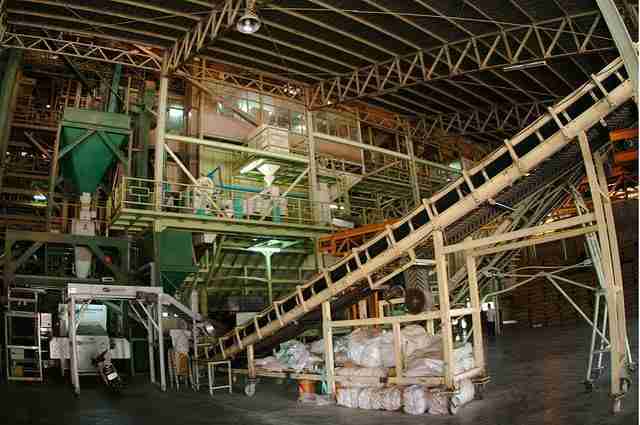
Key Features Transforming Rice Milling Efficiency
The evolution of rice milling technology has led to a range of innovative features that significantly enhance productivity and output quality. Automation plays a pivotal role, allowing for continuous operations that minimize human intervention and reduce labor costs. Modern machines come equipped with smart sensors that monitor moisture levels, adjusting processes in real-time to ensure optimal grain quality. Additionally, the integration of advanced milling techniques helps to retain essential nutrients, giving end-users healthier options while maintaining taste and texture.
Furthermore, the shift towards energy-efficient motors and eco-friendly designs contributes to sustainability efforts within the agricultural sector. These machines not only consume less power but also offer low-noise operations, creating a more pleasant working environment. Maintenance is simplified due to modular components, which allow for quick replacements and repairs without significant downtime. The evolving landscape of rice milling technology is paving the way for smarter, more efficient processes, transforming how grains are processed worldwide.
Sustainable Practices through Modern Milling Technology
Modern rice milling technology is at the forefront of sustainable agricultural practices, funneling innovation directly into the heart of grain processing. With advancements like the all-in-one rice milling machine, farmers are equipped with tools that not only enhance efficiency but also minimize waste. These powerful machines can significantly reduce energy consumption and lower carbon footprints, thanks to features such as integrated cleaning systems and automatic adjustments for optimal performance. By streamlining processes like milling, polishing, and sorting in a single piece of equipment, producers can ensure that every grain is maximized, with less byproduct generated for disposal.
The sustainability of modern milling practices extends beyond mere convenience; it also promotes valuable environmental benefits. Key components of these technologies often include:
- Water recycling systems that reuse water from the milling process, conserving this precious resource.
- Energy-efficient motors designed to minimize electricity usage, drastically reducing operational costs.
- Byproduct management that turns leftover husks and bran into biofuel, animal feed, or compost.
Through embracing these eco-friendly features, the all-in-one milling machines not only support local economies by increasing productivity and profitability but also contribute to larger efforts in maintaining ecological balance. The intersection of technology and sustainability is creating a new era in grain processing, where responsible practices meet innovation head-on, ensuring a sustainable future for all stakeholders involved.
Maximizing Output and Quality with Advanced Milling Techniques
The integration of advanced milling techniques has transformed traditional rice processing into a practice characterized by efficiency and precision. Modern milling machines optimize every facet of grain processing, resulting in higher yields and superior product quality. With meticulous adjustments in parameters such as temperature, pressure, and grinding speed, these machines are capable of delivering consistent results. Some of the key benefits include:
- Enhanced Nutritional Retention: By utilizing less abrasive methods, these machines minimize the loss of essential nutrients.
- Improved Texture: Advanced milling technologies can produce rice with a desirable texture, appealing to culinary preferences.
- Reduced Waste: Innovative designs reduce the amount of grain lost during processing, maximizing overall output.
In addition to optimizing the milling process, these state-of-the-art machines often incorporate features designed to ensure quality control. Automated monitoring systems allow for real-time adjustments, maintaining the integrity of the end product while significantly speeding up production times. A comparison table illustrates the differences between conventional milling and modern techniques:
| Aspect | Conventional Milling | Advanced Milling |
|---|---|---|
| Yield Efficiency | 75% | 90% |
| Nutritional Loss | 20% | 5% |
| Processing Time | Longer | Faster |
| Consistent Quality | Varies | High |
This radical shift not only aligns with the contemporary demand for higher-quality food products but also promotes sustainability within the agricultural sector, ensuring that milling processes are both economically viable and environmentally friendly.
In Summary
In a world where efficiency meets innovation, the all-in-one rice milling machine stands out as a symbol of progress in grain processing. As we have explored throughout this article, the evolution of these machines not only enhances productivity but also promises to elevate the quality of rice that reaches consumers. With features that streamline operations, reduce waste, and ensure superior results, this technology is setting a new standard for rice milling.
As we move forward, embracing such advancements will be crucial for both small-scale farmers and large agricultural enterprises. This revolution in grain processing is not merely about machines; it’s about empowering communities, improving livelihoods, and reshaping the future of food. By investing in modern technology, we can nurture a sustainable agricultural ecosystem that meets the demands of an ever-growing population while preserving the essence of traditional practices.
The journey of the all-in-one rice milling machine is just beginning, and its potential to transform the grain industry is limitless. As we look ahead, let us cultivate our appreciation for these innovations, supporting a harmonious balance between tradition and modernity in our quest for food security and sustainability. The future of grains is here, and it is pioneering, promising, and ready to revolutionize our plates.



