
Unlocking the Secrets of Cereal Milling: A Journey Through Grain
In the bustling world of agriculture and food production, one of the most underappreciated yet fundamental processes is cereal milling. Behind every loaf of bread, bowl of cereal, and plate of pasta lies a rich tapestry woven from grains, each with its own story and secrets. This article invites you on a journey through grain—an exploration of the intricate art and science of cereal milling. From the golden fields swaying in the wind to the rhythmic hum of milling machinery, we will uncover the transformative processes that convert raw grains into the essential ingredients fueling our daily lives. Join us as we delve into the history, techniques, and innovations of cereal milling, revealing not just how grains are processed, but also how they connect us to agricultural traditions and modern culinary practices.
Exploring the Art and Science of Cereal Milling
Cereal milling is a fascinating blend of art and science, where precision meets creativity in the transformation of grains into flour. At its core, this process involves several intricate steps — each crucial in developing the perfect texture and flavor profile. The journey begins with the selection of high-quality grains, which are subjected to various treatments such as cleaning, conditioning, and grinding. Each step is meticulously crafted to allow for optimal extraction and yield of flour, while also preserving the nutritional benefits inherent in the grains. The miller becomes both an artist and a scientist; they must understand the various types of grains and how factors like moisture content, milling techniques, and even environmental conditions can affect the end product.
Modern milling uses advanced technology to ensure consistency and quality, combining traditional methods with innovative approaches. Key elements of this process include:
- Roller mills – Granulating grains to achieve uniform particle sizes.
- Purifiers – Separating lighter particles from heavier ones to enhance flour purity.
- sifters – Ensuring proper texture by sieving the flour post-milling.
The synergy of these technologies helps to produce a variety of flours that cater to different culinary needs, such as pastry flour, whole wheat flour, and high-gluten flour used for bread-making. A simple comparison of different flour types can illustrate the distinctions:
| Flour Type | Protein Content | Best Uses |
|---|---|---|
| All-Purpose Flour | 10-12% | Baking, Cooking |
| Whole Wheat Flour | 13-15% | Whole Grain Breads |
| Pastry Flour | 8-10% | Pies, Cookies |
| Bread Flour | 12-14% | Bread, Pizza Dough |
This delicate balance between creativity and precision underscores the significance of every grain in giving life to the flour we use every day.
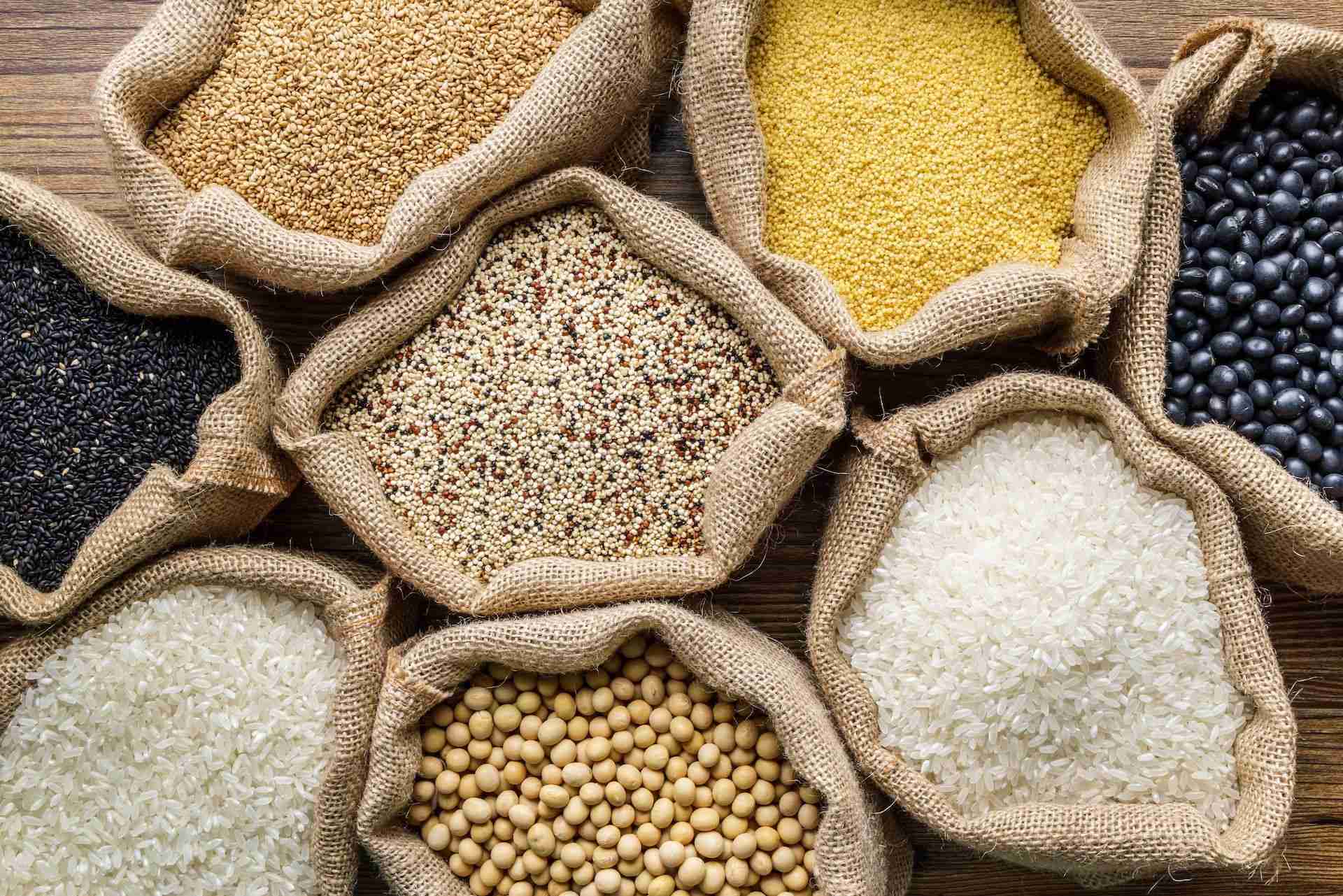
Understanding the Grains: Varieties and Their Unique Qualities
Grains come in various forms, each with its own set of characteristics that influence their use in milling and culinary applications. Let’s explore some key types of grains and their unique attributes:
- Wheat: A staple around the globe, wheat is versatile and comes in different varieties, including hard and soft wheat. Hard wheat is high in protein, making it ideal for bread, while soft wheat is perfect for pastries and cakes.
- Rice: This grain is a global food source, available in numerous types, such as long-grain, short-grain, and aromatic varieties like jasmine and basmati. Each type produces distinct textures and flavors, enriching diverse culinary traditions.
- Barley: Known for its chewy texture and nutty flavor, barley is packed with fiber and often used in soups, stews, and as a malting grain for brewing beer.
- Oats: As a highly nutritious grain, oats are lauded for their health benefits and are commonly consumed as oatmeal or used in granola. They also contain beta-glucans, which contribute to heart health.
Grains not only vary by type but also by how they are processed. The milling process significantly influences the end product’s nutritional profile and taste. Here’s a quick overview of some popular milling techniques:
| Milling Technique | Description | Best For |
|---|---|---|
| Stone Milling | Grains are ground between two stones, preserving more nutrients and flavor. | Whole grain flours |
| Roller Milling | Grains are crushed and sifted, producing fine white flour with a longer shelf life. | Breads and pastries |
| Hammer Milling | Grains are pulverized by rapidly swinging hammers, ideal for coarse flours. | Animal feed and cereal |
Each grain and milling method brings its own flair, heralding a myriad of culinary possibilities. As we delve deeper into the world of grains, it becomes clear that understanding their unique qualities is key to unlocking the full potential of cereal milling.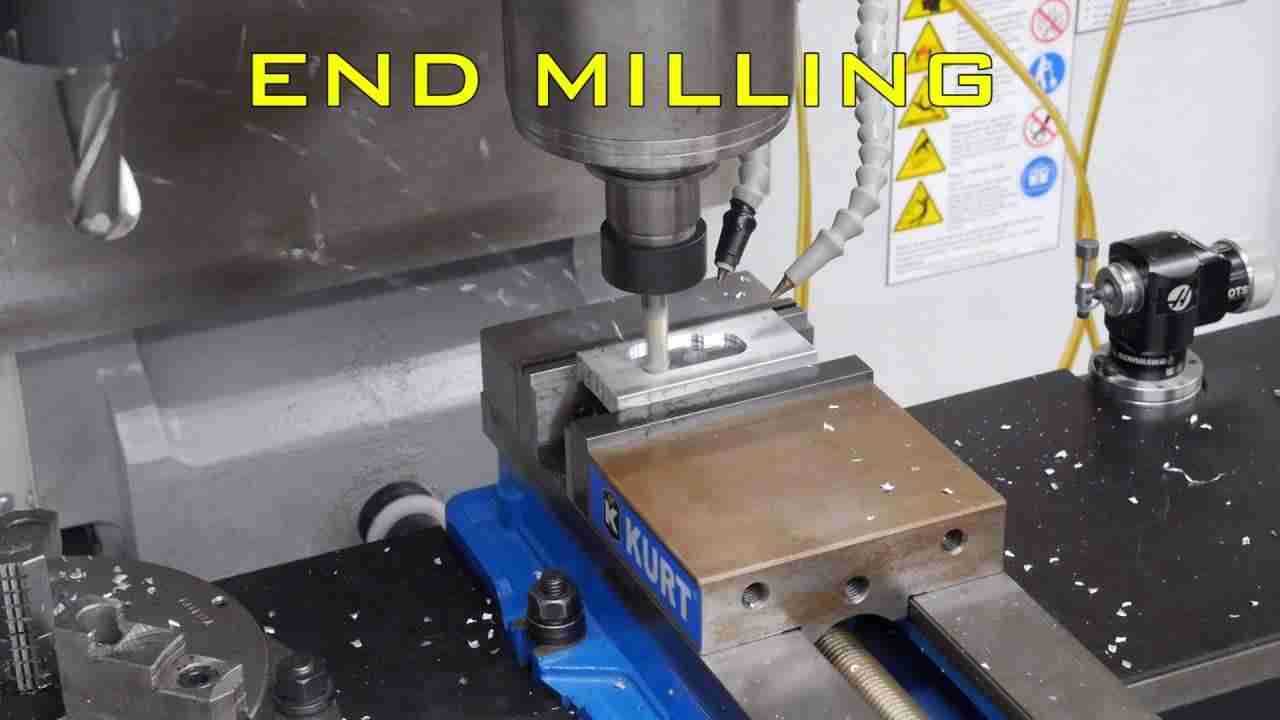
The Milling Process: Techniques That Transform Grain into Flour
The journey from grain to flour is a fascinating transformation that involves a series of meticulous techniques. At the heart of this process is the milling, a method designed to breakdown and refine the grain. Initially, grains such as wheat, corn, and rye are thoroughly cleaned to remove impurities. Following this, they undergo a process known as tempering, where moisture is added to prepare the grain for grinding. This step is crucial, as it helps achieve the right texture and consistency during milling. The tempered grain is then subjected to a series of grinding mechanisms that may include stone milling, roller milling, or even hammer milling, each offering its unique characteristics in the final flour texture.
Once the grinding process is underway, sifting plays a vital role in separating the fine flour from the coarser remnants. This separation is often achieved using a bolting machine, which allows flour to pass through while filtering out larger particles. The remaining components undergo further grinding until the desired flour consistency is reached. Additionally, various additives may be introduced at this stage, ensuring the flour meets specific quality standards, such as enhancing shelf-life or improving baking performance. With these phases of milling, what started as humble grains is transformed into versatile flour, ready to inspire culinary creations world-wide.
Maximizing Quality: Best Practices for Precision and Consistency in Milling
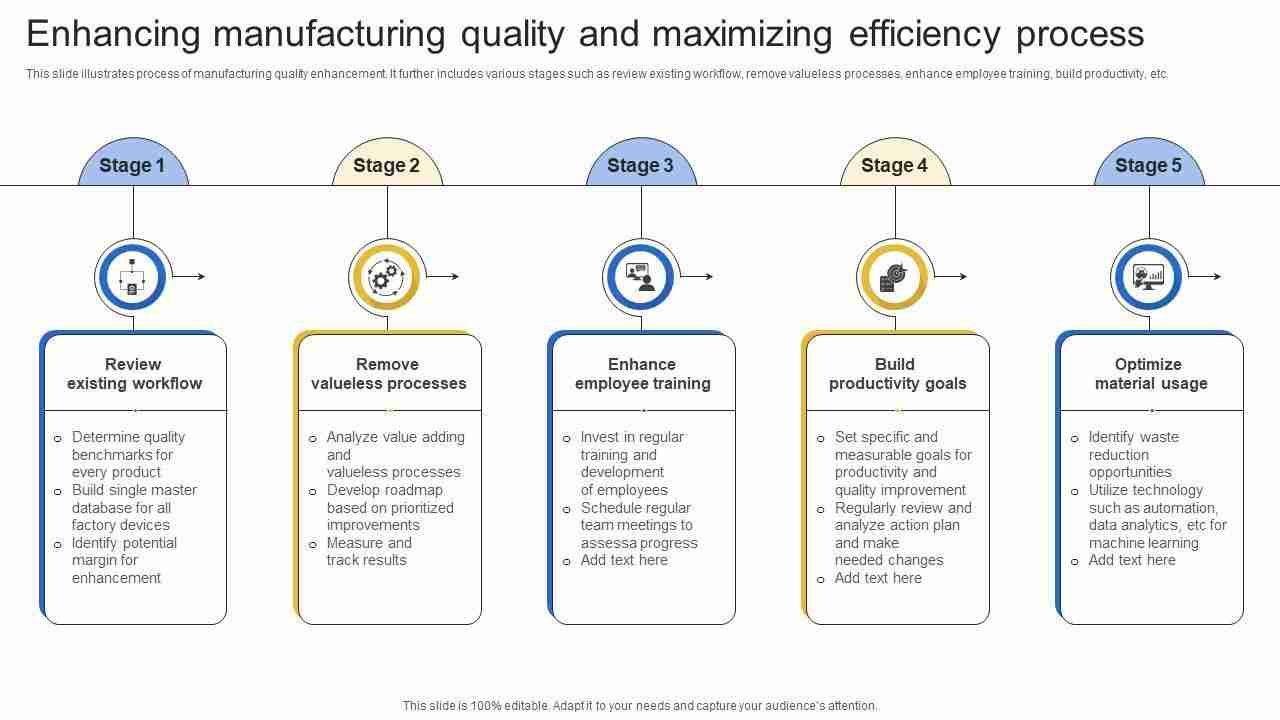
Achieving exceptional quality in cereal milling hinges on a meticulous approach that focuses on both precision and consistency. One of the core strategies to enhance milling performance is the adoption of advanced technology that offers accurate grain assessment and processing. By incorporating automated milling systems equipped with real-time monitoring capabilities, mills can reduce variability and ensure a uniform output. Additionally, regular calibration of machines should be emphasized, allowing millers to maintain the desired specifications for both particle size and moisture content.
Training personnel in best practices is equally critical. Continuous education ensures that staff are well-versed in the latest milling techniques and safety standards. Practices to consider include:
- Routine Equipment Maintenance: Scheduled checks of machinery to avoid unexpected failures.
- Quality Control Sampling: Implementing systematic testing of milled products to ensure compliance with safety and quality standards.
- Supplier Quality Assurance: Establishing robust criteria for selecting grain suppliers to guarantee substance purity and consistency.
The integration of these practices fosters an environment of excellence within milling processes. The following table succinctly illustrates the impact of quality measures on product output:
| Quality Measure | Impact on Output |
|---|---|
| Automated Monitoring | Reduces errors by 25% |
| Staff Training | Improves efficiency by 30% |
| Supplier Audits | Decreases contamination risk by 40% |
The Way Forward
As we conclude our exploration of cereal milling, we find ourselves at the intersection of tradition and innovation, where age-old practices meet cutting-edge technology. The journey through grain, from field to flour, reveals a world rich in complexity and craftsmanship, much like the grains themselves—each telling a story of its origin, purpose, and potential.
The secrets of cereal milling are not just about the mechanics; they embody the unwavering dedication of millers who convert raw grains into the staples that nourish our daily lives. As we unravel these intricacies, we gain a deeper appreciation for the processes that shape our food, ultimately reminding us that every bowl of cereal is a testament to an age-old craft, transformed over time yet rooted in nature.
As you move forward, may you carry with you an enhanced understanding of the grains that fill your pantry and the skilled artisans who bring them to life. The next time you pour a bowl, take a moment to savor not just the taste, but the journey it has taken to reach your table. In the world of milling, the secrets are abundant, waiting to be discovered, one grain at a time.



