
Grinding Greatness: The Art and Science of Maize Milling
In the heart of many culinary traditions lies a humble yet powerful ingredient: maize. From tortillas to polenta, the versatility of this ancient grain has transcended generations, shaping diets and cultures around the globe. But what lies behind the brilliant textures and flavors of maize-based dishes? The answer is an intricate dance of art and science embodied in the craft of maize milling. In this article, we explore the journey of maize from cob to meal, delving into the techniques, machinery, and innovations that transform this golden grain into a staple of kitchens worldwide. Join us as we uncover the secrets behind the grinding process, celebrate the skilled artisans and modern technology that elevate maize milling, and discover how this age-old practice continues to evolve in a world that craves authenticity alongside efficiency. Welcome to the fascinating world of maize milling—where tradition meets innovation in the pursuit of grinding greatness.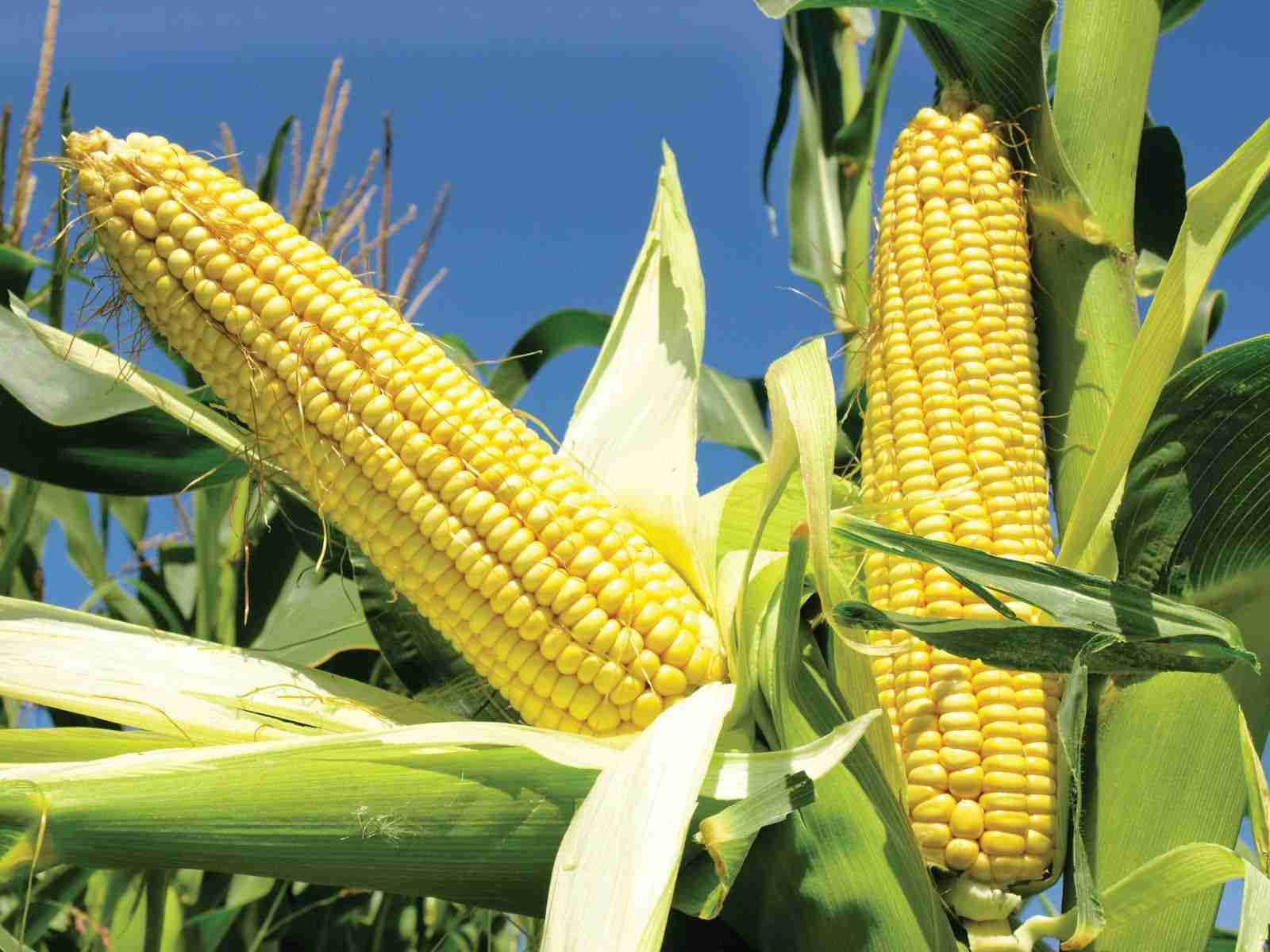
Exploring the Essentials of Maize: Varieties and Their Impact on Milling Quality
The world of maize is rich with diversity, presenting a multitude of varieties that significantly influence the quality of milling processes. Different types of maize—such as dent, flint, and sweet corn—exhibit unique characteristics that cater to various culinary and industrial applications. For instance, dent maize, recognizable by its dip at the crown, is predominantly used in animal feed and as a staple in many processed foods. On the other hand, flint maize, with its hard outer shell, is often utilized for making cornmeal or polenta, delivering a coarser texture that can enhance flavor profiles. Sweet corn, typically consumed fresh or canned, has a high sugar content, offering a different milling challenge altogether because of its moist kernels.
Understanding the specific properties of these varieties can optimize milling techniques and achieve superior end products. Factors such as kernel hardness, moisture content, and starch composition can dramatically affect the milling yield and quality. Here are some essential variables that impact milling quality:
- Kernel Hardness: Affects the efficiency of grinding, with harder kernels requiring more energy to mill.
- Moisture Content: Optimal moisture levels (between 13-15%) can enhance milling performance while excessive moisture may lead to spoilage.
- Starch Composition: Varieties with high amylose content are often favored for specific products like corn starch and syrups.
To illustrate the differences quantitatively, consider the following table summarizing key attributes for three common maize varieties:
| Maize Variety | Hardness | Average Moisture (%) | Primary Use |
|---|---|---|---|
| Dent Maize | Medium | 14 | Animal Feed, Snacks |
| Flint Maize | Hard | 13 | Polenta, Cornmeal |
| Sweet Corn | Soft | 15 | Fresh Produce, Canning |

Mastering the Milling Process: Techniques for Optimal Grain Transformation
The milling process is a delicate dance of art and science, requiring a keen understanding of grain morphology and the intricate behavior of the milling machinery. A variety of techniques can be employed to ensure optimal transformation of maize into flour. Key techniques include:
- Wet Milling: This technique enhances the separation of starch and fiber, leading to a finer texture and higher starch yield.
- Dry Milling: Incorporating heat involves the use of dry grains, which can create a more robust flavor profile while conserving nutrient content.
- Roller Milling: This method produces fine flour by using a series of cylindrical rollers, allowing for precise control of particle size.
- Impact Milling: Utilizing high-speed impact, this technique ensures a uniform particle distribution, crucial for specific baking requirements.
Additionally, understanding the variables in each method aids in fine-tuning the milling operation for desired outcomes. Consideration of moisture content, grain hardness, and temperature is essential in achieving a desirable grind. Monitoring these factors can significantly influence the quality of the flour produced. The following table summarizes how each variable impacts the milling process:
| Variable | Impact on Milling |
|---|---|
| Moisture Content | Too high can lead to clumping; too low may result in excessive fines. |
| Grain Hardness | Harder grains produce a coarser texture; softer grains yield finer flour. |
| Temperature | Lower temps help preserve nutrients; higher temps can enhance flavor. |
By combining these techniques and closely monitoring the key variables, millers can master the process of transforming maize into a versatile and high-quality ingredient for countless culinary applications.
Innovative Technologies in Maize Milling: Enhancing Efficiency and Consistency
In recent years, the maize milling industry has embraced a wave of innovative technologies designed to optimize the grinding process. From advanced sensor technologies to high-efficiency milling equipment, these innovations are enhancing both productivity and product quality. The integration of smart automation systems enables real-time monitoring and adjustments, ensuring that the milling process remains consistent and reliable. Moreover, the utilization of data analytics allows millers to fine-tune their operations, reducing waste and boosting overall yield.
Additionally, new grinding techniques are being developed, focusing on energy efficiency and sustainability. For instance, the use of vertical milling systems has gained traction, as they require less energy and space while providing superior results compared to traditional methods. Some key technologies making waves in the industry include:
- Micro-Milling Technology: Delivers finer maize flour with improved texture.
- Hygienic Milling Solutions: Ensures food safety and quality control.
- Energy-Efficient Motors: Reduces energy consumption significantly.
- Integrated Quality Control Sensors: Instantly detect deviations in product quality.
| Technology | Benefits |
|---|---|
| Smart Automation | Real-time adjustments, increased consistency |
| Vertical Milling Systems | Reduced energy use, enhanced space efficiency |
| Micro-Milling | Finer product, improved marketability |
| Integrated Sensors | Instant quality feedback, reduced waste |

Quality Control in Maize Milling: Ensuring Standards from Farm to Table
Quality control in maize milling is an essential aspect that traverses the entire supply chain, ensuring that every kernel transformed into flour meets stringent standards. From the moment maize is harvested on the farm, various measures must be implemented to preserve its integrity. Sample testing is crucial, where random samples are evaluated for moisture content, kernel integrity, and any signs of contaminants or pests. Furthermore, maintaining optimal storage conditions prevents spoilage and contamination, which in turn safeguards the quality of the finished product.
At the milling facility, the focus shifts to the milling process itself. Advanced technology and traditional methods merge to create a symphony of efficiency and precision. Quality control protocols utilize checks such as particle size analysis, which ensures the final product meets customer specifications. Continuous monitoring of the milling equipment is vital; this includes regular calibration and maintenance to prevent equipment failures that could compromise product quality. Ultimately, achieving excellence in maize milling means addressing every facet of production— from the farm gate to the dinner plate.
| Quality Control Element | Importance |
|---|---|
| Moisture Testing | Prevents spoilage and affects shelf life |
| Particle Size Analysis | Ensures product consistency and meets specifications |
| Contaminant Detection | Safeguards health and maintains product integrity |
| Storage Conditions | Prevents decay and pest infestation |
Closing Remarks
As we conclude our exploration of “Grinding Greatness: The Art and Science of Maize Milling,” it becomes evident that this process is far more than mere machinery and grain. It is a harmonious blend of tradition and innovation, a dialogue between nature and technology. The rhythmic sound of grinding signifies not only the conversion of maize into flour but also a cultural legacy, nourishing communities and fueling economies across the globe.
In understanding the intricacies of milling, we uncover stories of resilience and creativity, where each kernel tells a tale of cultivation and care. The precision involved in milling processes reflects a deep respect for both the agricultural origins and the culinary possibilities that maize offers. As we continue to embrace advancements in this field, we also honor the artisans and engineers who strive for sustainability and quality, ensuring that the legacy of maize milling evolves without losing its heart.
Whether you are a miller, a chef, or simply an enthusiast of good food, the world of maize milling invites us all to appreciate the artistry contained within each finely ground product. So next time you encounter maize flour, remember that it carries with it the weight of history and the promise of innovation, seamlessly connecting us from field to table. In this journey, may we all share in the grind, the greatness, and the stories yet to be told.



