
In the heart of every bustling breakfast table lies a humble bowl of cereal, a daily ritual that transcends cultures and generations. But beneath the familiar crunch and comforting familiarity of our favorite flakes and puffs lies an intricate process often overlooked: cereal milling. “Grains to Greatness: The Art of Cereal Milling Explained” invites you to embark on a journey through the fascinating world of grain transformation. From the golden fields where crops are nurtured to the meticulous techniques employed in milling, we’ll explore how nature’s bounty is expertly refined into a staple that nourishes millions. Join us as we uncover the artistry and science behind this age-old craft, illuminating the path that turns simple grains into morning masterpieces.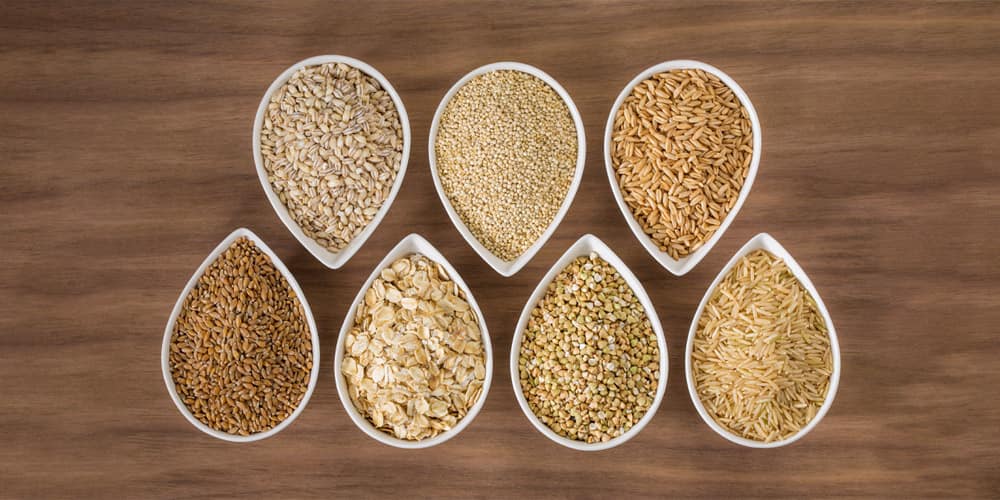
Exploring the Historical Journey of Grain to Flour
The journey of transforming grain into flour is a fascinating tale steeped in history, where each phase reveals the ingenious methods and artful techniques employed by millers throughout the ages. From the earliest days of hand grinding with simple tools to advanced milling technologies, the evolution of this process has been significant. Ancient civilizations, such as the Egyptians, utilized manual stone grinders, often called mortars and pestles, allowing them to produce flour from wheat and barley. This rudimentary method laid the groundwork for future innovations while emphasizing the importance of high-quality grains as a staple in diets.
As societies advanced, so too did the milling techniques. With the advent of water and windmills in medieval Europe, the production of flour became more efficient, dramatically increasing output. Key milestones in this historical journey included:
- 1850s: Introduction of steam-powered mills.
- 1870s: Roller milling processes emerged, replacing traditional stone grinding.
- 20th Century: The rise of automated milling systems revolutionized flour production.
To further appreciate the evolution of grain milling, let us examine the traditional types of grains that have fueled this journey:
| Grain Type | Historical Significance | Common Uses |
|---|---|---|
| Wheat | Bread staple since ancient times. | Bread, pasta, pastries. |
| Barley | Integral for brewing and livestock feed. | Beer, soups, malt products. |
| Rye | Key in Northern European cultures. | Rye bread, crispbreads. |
Understanding the Milling Process: Techniques and Technologies
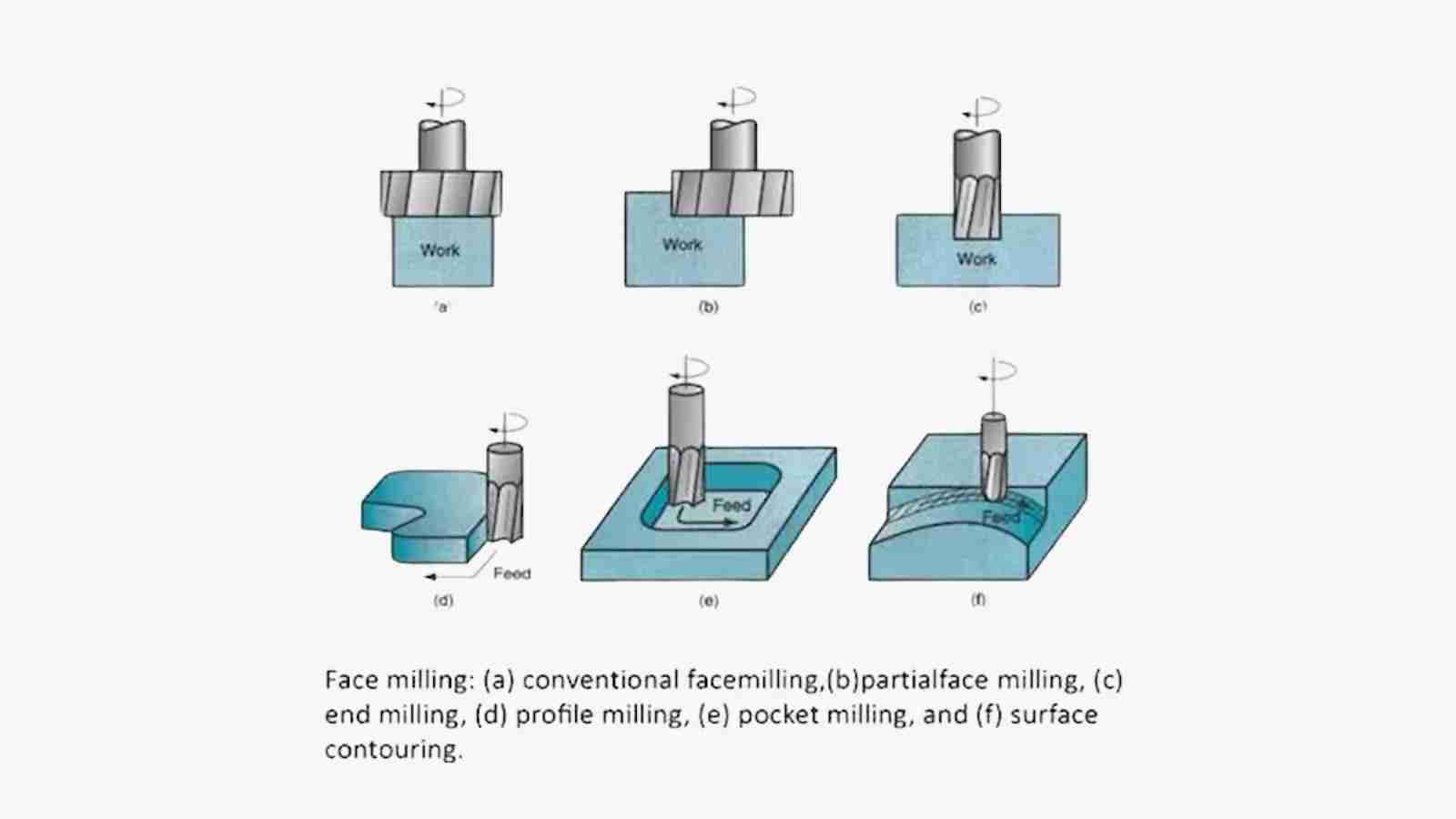
The transformation of grains into flour—a process steeped in tradition and innovation—begins with precision milling techniques that cater to various cereal types. The art lies in selecting the appropriate method, whether it be stone milling, where whole grains are ground into flour using natural stones; or the more modern roller milling, which employs high-speed rollers to achieve finer textures. These methods aim not only to extract the best yield from each grain but also to preserve vital nutrients and flavors, ensuring that the end product meets the discerning standards of modern culinary applications.
With advancements in milling technologies, processors now utilize state-of-the-art machinery that incorporates automation and sophisticated monitoring systems. This enhances operational efficiency and consistency in product quality. Key components of the milling process include:
- Cleaning: Removal of impurities and foreign material.
- Conditioning: Adjusting the moisture content for optimal milling.
- Milling: Grinding grains into flour or meal.
- Sifting: Separating the fine flour from coarser particles.
At the heart of milling is the commitment to quality, which is reflected in the dividends gained from different milling approaches. The following table outlines various milling techniques alongside their unique characteristics:
| Technique | Characteristics |
|---|---|
| Stone Milling | Classic method, retains more nutrients, slower process |
| Roller Milling | Faster, produces finer flours, less nutrient retention |
| Hammer Milling | Versatile, used for a range of grains, can create different textures |
| Impact Milling | Creates ultra-fine flour, efficient but may generate heat |
Nutritional Benefits of Milled Grains in Everyday Diets
The incorporation of milled grains into daily meals provides a plethora of nutritional benefits, making them a staple in many diets around the world. Milled grains, such as flour derived from wheat, oats, and rice, are versatile in their use, from breads to cereals and beyond. These grains are a significant source of essential nutrients and vitamins. They are particularly rich in B vitamins, which play a crucial role in energy metabolism, and fiber, which supports digestive health. Choosing whole grain options can amplify these benefits, offering higher amounts of nutrients compared to their refined counterparts.
Furthermore, milled grains are often fortified with additional minerals, such as iron and calcium, enhancing their role as a dietary staple. The inclusion of whole grain products can lead to a balanced intake of complex carbohydrates, which help maintain steady energy levels throughout the day. Additionally, opting for milled grains offers a satisfying texture that can elevate meal enjoyment. Here’s a quick look at some key nutrients found in commonly milled grains:
| Grain Type | Key Nutrients | Health Benefits |
|---|---|---|
| Whole Wheat | Fiber, B Vitamins | Supports digestive health and boosts energy |
| Oats | Beta-glucans, Antioxidants | Helps lower cholesterol and improves heart health |
| Brown Rice | Manganese, Magnesium | Promotes bone health and aids in energy release |
| Quinoa | Complete Protein, Iron | Supports muscle repair and immune function |

Choosing the Right Flour: Tips for Home Bakers and Chefs
When venturing into the world of baking, the flour you choose can alter the outcome of your culinary creations dramatically, transforming simple ingredients into culinary masterpieces. Not all flours are created equal; they vary in protein content, texture, and flavor, each finding its place in the hierarchy of baked goods. Here are some tips to help you select the ideal flour for your next kitchen endeavor:
- All-Purpose Flour: A versatile choice, ideal for general baking tasks. Perfect for cookies, muffins, and pancakes.
- Bread Flour: With a higher protein content, it lends strength and elasticity, making it perfect for yeasted breads.
- Cake Flour: Low protein and finely milled, it creates tender cakes with a light crumb.
- Whole Wheat Flour: Packed with nutrients, it adds a hearty flavor at the cost of tenderness. Best for dense baked goods.
- Alternative Flours: Options like almond, coconut, or oat flour offer unique flavors and gluten-free alternatives for dietary needs.
To simplify your flour selection process, consider the following comparison table:
| Type of Flour | Protein Content | Best For |
|---|---|---|
| All-Purpose | 10-12% | Cookies, cakes |
| Bread | 12-14% | Breads, rolls |
| Cake | 7-9% | Cakes, muffins |
| Whole Wheat | 11-13% | Breads, pancakes |
| Almond | 20% | Cookies, gluten-free |
By understanding the nuances between these types of flour, you’ll be empowered to choose the right one based on your recipe requirements and personal preferences. Whether you’re whipping up airy pastries or hearty loaves, making informed choices about your flour can elevate your baking to new peaks of excellence.
Final Thoughts
As we conclude our journey through the intricate world of cereal milling, we hope you’re left with a deeper appreciation for the grains that grace our breakfast tables. The transformation from raw kernels to the finely milled flour we often take for granted is nothing short of an art form, steeped in tradition, innovation, and precision.
Each step in the milling process—cleaning, tempering, grinding, and sifting—plays a crucial role in unlocking the potential of these humble grains, allowing them to contribute to a myriad of culinary delights. Whether it’s the warm loaf of bread that rises in your oven, the fragrant bowl of porridge that starts your day, or the delicate pastries that grace a special occasion, the influence of careful milling resonates throughout our diets and cultures.
In understanding the intricacies of cereal milling, we not only celebrate the craftsmanship involved but also acknowledge the vital role these processes play in our food systems. As you savor your next bite, remember the journey of those grains and the dedicated work behind their transformation. Here’s to the grains that bring us together and the millers who ensure their journey from the field to our plates is a remarkable one.



