
In the realm of culinary delights, few ingredients possess the transformative power of rice. Among the many varieties that grace our tables, parboiled rice stands out not only for its unique texture and nutty flavor but also for the fascinating journey it undergoes from paddy to plate. This article delves into the intricate process of parboiled rice processing, exploring the techniques that unlock its rich potential and the cultural significance it holds in diverse cuisines around the world. From the careful soaking and steaming that preserves its nutrients to its role in elevating everyday dishes, join us as we peel back the layers of parboiled rice, revealing the alchemy that turns a simple grain into a cornerstone of culinary tradition.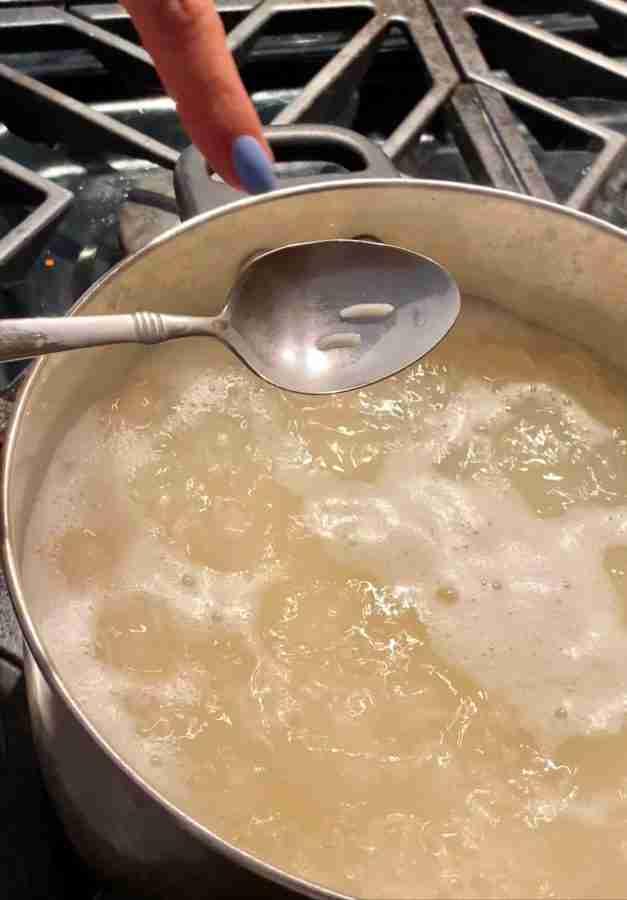
Exploring the Parboiling Process: Science Behind the Flavor Enhancement
Parboiling is a fascinating culinary technique that significantly transforms rice at a molecular level. This process involves partially cooking the rice in water before it’s dried and milled. During parboiling, both heat and moisture penetrate the grains, facilitating a series of changes that enhance both flavor and nutritional value. One of the primary scientific wonders at play here is the gelatinization of starches, which not only helps maintain the rice’s structure during cooking but also improves its overall texture and taste. As the starches swell and set, they create a deliciously firm grain that holds up well regardless of the cooking method employed afterward.
Moreover, parboiling serves as a catalyst for flavor enhancement due to the migration of nutrients and flavors from the bran layer into the endosperm. This enhances the rice’s taste while retaining essential vitamins and minerals that might otherwise be lost during traditional milling. Key benefits of parboiling include:
- Improved Nutritional Content: Retains more nutrients compared to white rice.
- Elevated Aroma: Often results in a more fragrant and appealing final product.
- Reduced Cooking Time: Speeds up the cooking process, saving precious time in the kitchen.
This careful balance of science and tradition not only ensures a delicious outcome but also promotes a healthier dietary choice. from the initial soaking through to the final steaming, each step of the parboiling process contributes to the overall gastronomic experience of rice that goes beyond mere sustenance.
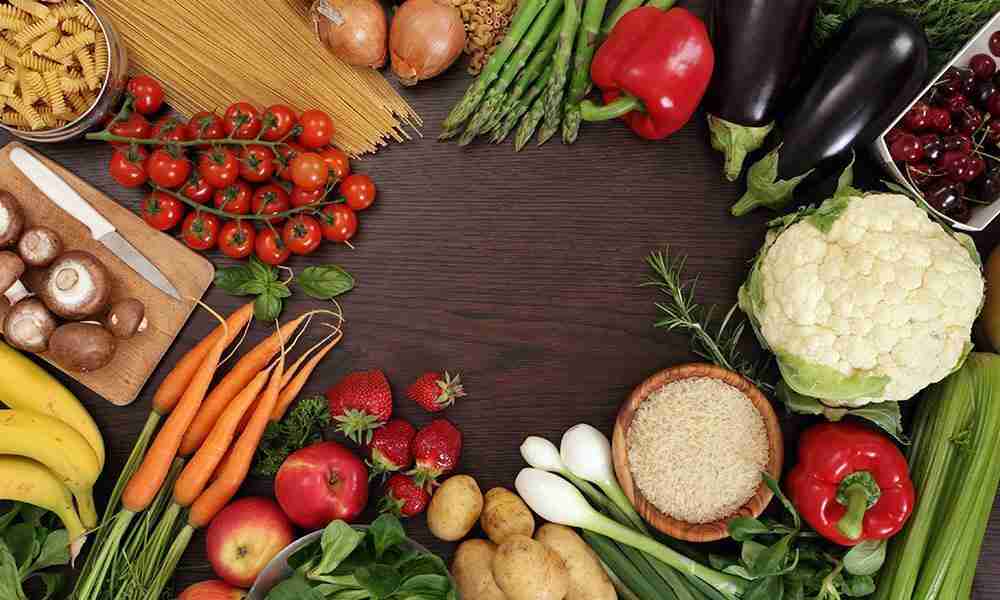
Nutritional Benefits of Parboiled Rice: A Healthier Choice for Consumers
Parboiled rice stands out as an excellent choice for health-conscious consumers due to its impressive nutritional profile. The process of parboiling not only enhances the flavor but also locks in essential nutrients, making this variety of rice a preferable option compared to regular white rice. Rich in vitamins and minerals, parboiled rice is particularly notable for its higher levels of thiamine (Vitamin B1), niacin (Vitamin B3), and folic acid, all of which play critical roles in energy metabolism and overall health.
In addition to its vitamin content, parboiled rice is a great source of dietary fiber. The parboiling process increases the fiber content, aiding in digestion and helping maintain a healthy weight. When consumed, it can provide several health benefits, including:
- Improved digestion
- Better blood sugar control
- Reduced risk of heart disease
This versatile grain can easily be incorporated into a variety of dishes while contributing to balanced nutrition and supporting a wholesome lifestyle.
Culinary Applications: Elevating Dishes with Parboiled Rice
Parboiled rice serves as a versatile canvas for a myriad of culinary creations, enriching dishes with its unique texture and flavor profile. When properly cooked, it retains a firm bite and a slightly nutty taste, making it an excellent companion for various cuisines. Stir-fries, curries, and pilafs particularly benefit from the appealing qualities of parboiled rice, which absorb spices and sauces while maintaining their structural integrity. Its ability to complement both rich and subtle flavors enhances the overall dining experience, allowing chefs to experiment with various ingredients and cooking methods.
In addition to traditional applications, parboiled rice can be creatively introduced into modern dishes, showcasing its adaptability. Consider incorporating it into fresh salads or as a base for grain bowls, where it can pair beautifully with roasted vegetables, beans, and fermented proteins. The nutty undertone of parboiled rice elevates even the simplest preparations, inviting a delightful contrast of textures and a hearty essence. Below is a summary of possible dishes where parboiled rice truly shines:
| Dishes | Pairing Ingredients |
|---|---|
| Chicken Biryani | Spices, Yogurt, and Cashews |
| Vegetable Stir-fry | Bell Peppers, Broccoli, and Tofu |
| Rice and Beans Bowl | Avocado, Salsa, and Lime |
| Pilaf | Nuts, Dried Fruits, and Herbs |
Sustainable Practices in Rice Processing: Balancing Flavor and Environmental Impact
In the quest for flavor enhancement in parboiled rice, sustainable practices emerge as a vital component in reducing ecological footprints while preserving taste. By utilizing solar energy for drying processes, mills can significantly diminish their reliance on fossil fuels. Additionally, the integration of water-efficient technologies helps to preserve resources during parboiling. These innovative methods not only boost the quality of the rice but also minimize waste and energy consumption, making the process more eco-friendly.
To emphasize the benefits of sustainable approaches, several practices have gained traction within the rice processing community:
- Waste reduction: Utilizing rice husks as biofuel or fertilizer
- Organic certifications: Sourcing rice from farmers practicing organic cultivation
- Community engagement: Collaborating with local farmers to promote biodiversity and sustainable farming methods
Such practices not only foster a robust flavor profile but also instill a sense of responsibility towards our environment. The fine balance between preserving rich flavor and ensuring minimal impact on Mother Earth shapes the future of the rice processing industry.
In Conclusion
As we conclude our exploration of parboiled rice processing, we can appreciate this intricate journey from paddy fields to our plates. The transformation of rice not only enhances its nutritional value and flavor but also speaks to the ingenuity of agricultural practices and culinary traditions across cultures. Whether used in a fragrant biryani or a simple bowl of steaming rice, parboiled rice serves as a testament to the delicate balance between nature and technology. As we savor our meals, let us remember the countless hands and processes behind each grain, unlocking flavors that enrich our food experiences. In understanding this journey, we not only elevate our appreciation for parboiled rice but also deepen our respect for the timeless practices that continue to nourish us all.



