
In the heart of countless fields across the globe, a remarkable transformation takes place that goes largely unnoticed. The journey of corn, from its robust husk to the protective hull of countless products, is a testament to nature’s bounty and human ingenuity. Beyond the cob’s vibrant golden kernels lies a world of processing that not only nourishes but also fuels industries and economies. This article embarks on an exploration of corn processing, revealing the intricate steps that convert a simple agricultural staple into a versatile ingredient found in our kitchens, livestock feed, and even industrial applications. Join us as we peel back the layers of this extraordinary journey, uncovering the science, technology, and artistry woven into every stage of corn’s metamorphosis.
Understanding the Lifecycle of Corn: An In-Depth Exploration of Its Transformation
The journey of corn from vibrant fields to refined products is a fascinating tale of transformation and adaptation. Corn, also known as maize, begins its lifecycle with germination when seeds are planted in warm soil. This initial stage is crucial, as the seeds absorb moisture and nutrients, sprouting into seedlings ready to reach toward the sun. As the corn plants mature, several stages unfold, including pollination and the eventual formation of ears. Pollination, a critical event, occurs when the silks receive pollen from the tassels, resulting in the fertilization of the kernels that will develop into the sweet corn we enjoy or the yellow grains used in various products.
Once harvested, the processing of corn transforms it from its natural state into a variety of consumables. The steps involved include drying, grinding, and refining, each altering its original form. During drying, moisture is removed to preserve the kernels, followed by grinding, where the dried corn is milled into flour or meal. This process can yield various products—from corn syrup and cornstarch to ethanol and biodegradable plastics. The table below summarizes common products derived from corn and their uses:
| Product | Common Uses |
|---|---|
| Cornmeal | Cooking and baking |
| Cornstarch | Thickening agent in sauces |
| Corn oil | Cooking and frying oil |
| High-fructose corn syrup | Sweetener in beverages |
Unlocking Nutritional Benefits: How Processed Corn Contributes to Health and Cuisine
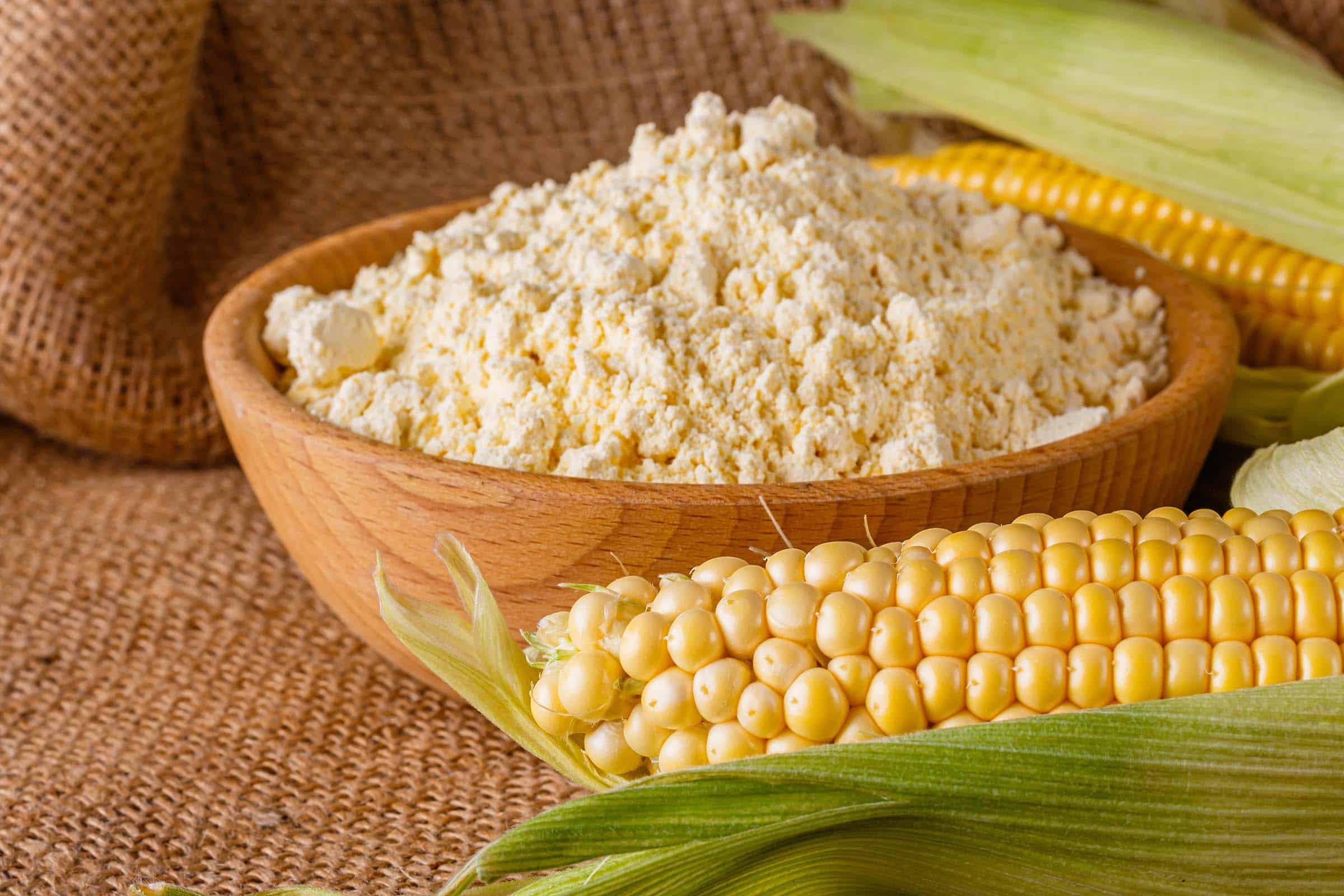
The transformation of corn from its raw form to a variety of processed products unlocks a treasure trove of nutritional benefits that elevate both health and culinary experiences. As a staple in diets worldwide, processed corn can be found in various forms—ranging from cornmeal to corn syrup—all of which provide essential nutrients. The versatility of corn allows it to be a vital source of energy, rich in carbohydrates, and packed with fiber, aiding digestion and promoting overall well-being. In addition, corn is a valuable source of several vitamins and minerals, including vitamin C, B vitamins, and essential antioxidants, all playing significant roles in maintaining a robust immune system and fighting oxidative stress.
In the culinary world, processed corn enhances the richness of flavors and textures in numerous dishes, making it an indispensable ingredient in various cuisines. Here’s a glimpse of how processed corn contributes to diverse culinary applications:
- Polenta and Grits: Creamy, comforting bases that can be dressed up or served simply.
- Corn Tortillas: Fundamental in Mexican cuisine, serving as a base for tacos and enchiladas.
- Popcorn: A light and crunchy snack that offers a satisfying treat without excessive calories.
- Corn Syrup: A sweetener that enhances the flavor profile of desserts and sauces.
| Processed Corn Product | Nutritional Highlight |
|---|---|
| Cornmeal | High in fiber, good for digestive health |
| Corn Oil | Rich in polyunsaturated fats, supports heart health |
| Corn Starch | Gluten-free thickening agent |
| Sweet Corn | Natural sugars, provides quick energy |

Innovations in Corn Processing: Sustainable Practices for a Greener Future
The world of corn processing is undergoing a remarkable transformation, fueled by innovations that prioritize environmental sustainability. One major advancement is the adoption of bioprocessing techniques that minimize waste and maximize resource efficiency. By using microbial fermentation, processors can convert not only the kernels but also the byproducts of corn, such as husks and cobs, into valuable byproducts. This process significantly reduces the reliance on synthetic chemicals and promotes the recovery of nutrients for soil health. Key initiatives in this area include:
- Zero-waste facilities: These facilities utilize every part of the corn, ensuring nothing goes to waste.
- Biodegradable packaging: Innovations have led to the development of biodegradable materials made from corn starch, reducing plastic pollution.
- Sustainable energy use: Many processing plants are now utilizing renewable energy sources, such as biofuels generated from corn byproducts.
Furthermore, the integration of precision agriculture technologies is redefining how corn is cultivated, ensuring that resources such as water and fertilizers are used efficiently. Drones and satellite imagery allow farmers to monitor their crops in real time, leading to better decision-making and reduced resource inputs. These advancements not only enhance crop yield but also lower the environmental impact. To illustrate the benefits, consider the following comparison of resource use before and after implementing precision agriculture:
| Resource | Traditional Practices | Precision Agriculture |
|---|---|---|
| Water Usage | 500 gallons/acre | 350 gallons/acre |
| Fertilizer Application | 200 lbs/acre | 150 lbs/acre |
| Pesticide Application | 3 sprays/season | 1 spray/season |
These shifts not only signify the commitment toward a greener future, but also highlight the importance of adapting traditional practices to meet the challenges of modern agriculture. As the journey of corn processing continues to evolve, the fusion of technology and sustainable methods showcases an exciting path forward, promising a world where food production coexists harmoniously with environmental stewardship.

Exploring Market Dynamics: Strategies for Navigating the Corn Industry Landscape
Understanding the intricacies of the corn industry requires a keen awareness of the factors influencing market dynamics. Various elements, such as global demand, climatic changes, and government policies, shape the trajectory of corn production and its subsequent processing. To effectively navigate this landscape, stakeholders must adopt versatile strategies tailored to evolving market conditions. Key approaches include:
- Diversification of Crop Varieties: Introducing hybrid and specialty corn varieties can open new markets and reduce risks associated with climate variability.
- Investment in Technology: Utilizing advanced farming techniques, such as precision agriculture, can enhance yield efficiency and improve quality.
- Supply Chain Optimization: Streamlining logistics and partnerships throughout the supply chain can reduce costs and ensure timely delivery to processors.
Additionally, understanding consumer trends is paramount for success in corn processing. As preferences shift towards healthier and sustainable food options, market players have the opportunity to innovate products that resonate with these values. For instance, utilizing corn in plant-based alternatives or exploring its applications in biodegradable packaging can align with environmentally conscious consumer behavior. Below is a simple comparison of current trends and potential innovations in corn processing:
| Current Trends | Potential Innovations |
|---|---|
| Biofuels from corn ethanol | Sustainable packaging solutions |
| Snacks made from corn derivatives | Plant-based meat alternatives |
| Animal feed produced from corn | Plant-based protein supplements |
In Conclusion
As we conclude our exploration of the corn processing journey—from the humble husk to the robust hull—it’s clear that this vital grain plays a multifaceted role in our lives. Beyond its presence on our plates, corn’s transformation reflects larger narratives about agriculture, industry, and innovation. Each kernel carries with it stories of cultivation, sustainability, and the relentless pursuit of efficiency. As we continue to uncover the intricacies of how corn is processed and utilized, we invite readers to appreciate the profound connections between the earth, our food systems, and the technologies that shape them. The journey of corn processing is not just a tale of transformation; it is a testament to human ingenuity and our enduring relationship with the natural world. So, the next time you encounter corn in its various forms, remember the intricate journey it has taken—an odyssey from husk to hull that encompasses much more than meets the eye.



