
In a world increasingly aware of the delicate balance between agricultural productivity and environmental stewardship, the establishment of a rice mill plant might seem a routine endeavor. However, when that plant weighs in at an impressive two tons, its implications transcend mere processing efficiency. “Launching a 2-Ton rice mill plant: A Step Toward Sustainability” invites you to explore the intricate tapestry of innovation, tradition, and ecological mindfulness woven into this venture. As we delve into the motivations, logistics, and anticipated impacts of this initiative, we aim to illuminate how modern technology can champion age-old practices, creating a harmonious synergy between burgeoning economies and sustainable practices. Join us on this journey as we uncover the potential of rice milling to not only meet the demands of today but also safeguard the resources of tomorrow.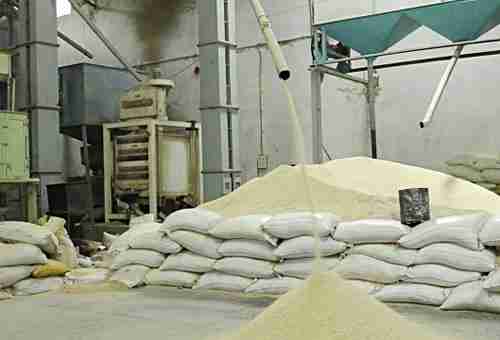
Planning for Success in Rice Mill Operations
Establishing a 2-ton rice mill plant involves meticulous planning to ensure efficiency and sustainability. The first step is to conduct comprehensive market research, identifying local demand and potential competition. This allows for strategic forecasting of production capacity and pricing structures. Key decisions should include selecting the right type of machinery, which not only enhances output but also minimizes energy consumption. Investing in energy-efficient equipment can significantly reduce operational costs while aligning with sustainable practices. Additionally, engaging local farmers to create a robust supply chain not only supports the community but also ensures a steady flow of raw materials.
Another crucial aspect is developing a precise operational plan that incorporates best practices for quality control. It’s essential to establish standard operating procedures (SOPs) for each stage of the milling process to maintain consistency and reduce waste. Regular training sessions for staff should be implemented to enhance skills and promote safe working environments. The following key performance indicators (KPIs) are essential for monitoring the success of the operations:
| Metrics | Description |
|---|---|
| Production Yield | Percentage of rice obtained from raw paddy. |
| Energy Consumption | Total kWh used per ton of processed rice. |
| Labor Efficiency | Output per worker per hour. |
By establishing these metrics, the rice mill can evaluate its performance regularly, identifying areas for improvement and ensuring that operations align with sustainability goals. Moreover, leveraging technology to monitor these aspects can provide real-time data, further enhancing decision-making processes. When executed thoughtfully, this comprehensive approach not only boosts productivity but also contributes positively to the environment and the local economy.

Integrating Eco-Friendly Technologies for Efficiency
In recent years, the integration of eco-friendly technologies in agriculture has gained significant traction, particularly in rice milling. By prioritizing sustainability, mill operators can not only reduce their carbon footprint but also enhance operational efficiency. Implementing solutions such as solar energy systems, water recycling plants, and biomass boilers can lead to remarkable improvements in the energy consumption of a 2-ton rice mill plant. These changes not only contribute positively to the environment but also lead to substantial cost savings in the long run.
To optimize the performance of the rice milling process, embracing innovative technologies is crucial. Features like smart automation and real-time monitoring systems can maximize yield while minimizing waste. The following technologies play pivotal roles in making rice milling more sustainable:
- Energy-efficient machinery: Modern milling equipment designed for reduced power consumption.
- Waste-to-energy systems: Utilizing byproducts as fuel or for bio-energy production.
- Precision farming tools: Implementing data analytics for better resource management.
Building Sustainable Supply Chains from Farm to Mill
Implementing sustainable practices in supply chains, especially in rice production, is crucial for both environmental health and the livelihoods of farmers. By establishing a 2-ton rice mill plant, we’re committed to transforming the traditional processes associated with rice milling. Our approach focuses on the integration of local farms into a cohesive supply chain that minimizes waste and optimizes resources. This includes:
- Supporting Local Farmers: By sourcing rice from local producers, we enhance their economic stability while ensuring fresher produce.
- Reducing Carbon Footprint: Shortening transportation routes helps decrease emissions and promotes a healthier ecosystem.
- Implementing Renewable Energy: Utilizing solar panels and bioenergy solutions within the mill significantly reduces reliance on fossil fuels.
- Water Efficiency Measures: Advanced techniques in our processing plant will use significantly less water, another critical resource for sustainable agriculture.
Essentially, our rice mill will serve as a catalyst for a sustainable future, ensuring that each step, from harvesting to milling, respects both the environment and community welfare. To support this initiative, we also focus on educating farmers about sustainable practices, which we believe is key to long-term success. As we proceed, our commitment to ethical sourcing and community engagement remains unwavering. Below is a table highlighting the expected impacts of our operations:
| Impact Area | Expected Outcome |
|---|---|
| Local Economy | Increased farmer incomes by 25% |
| Environmental Footprint | Reduced emissions by up to 30% |
| Resource Usage | Water consumption cut by 50% |
| Community Education | Workshops for 100+ local farmers annually |
Community Engagement and Workforce Development Strategies
The establishment of a 2-ton rice mill plant not only aims at enhancing food security and sustainability but also serves as a catalyst for community engagement. By incorporating local stakeholders in decision-making processes, we can create a network of support that benefits all parties involved. It’s essential to educate the community about the environmental, economic, and health benefits of sustainable rice production. Initiatives such as:
- Workshops: Regular sessions focusing on sustainable farming techniques.
- Community Forums: Open dialogues to gather feedback and address concerns.
- Collaborative Projects: Partnering with local schools for educational programs on plant operations.
Workforce development is equally crucial to the rice mill’s success. By investing in local talent and providing skills training, we can build a workforce that is proficient in modern agricultural and milling technologies. Offering a variety of training programs will not only equip individuals with necessary skills but also foster a sense of pride and ownership within the community. The training programs may include:
| Training Program | Duration | Focus Areas |
|---|---|---|
| Sustainable Farming Practices | 4 Weeks | Organic techniques, soil management |
| Equipment Operation | 2 Weeks | Mill machinery and maintenance |
| Business Management | 6 Weeks | Entrepreneurship, finance, marketing |
By focusing on both community collaboration and workforce training, the rice mill project can create lasting positive impacts, fostering economic growth and stability in the region while promoting sustainability.
Future Outlook
As we draw the curtains on this exploration of launching a 2-ton rice mill plant, it becomes clear that each grain of rice processed is more than just a staple food; it symbolizes a step toward sustainability and self-sufficiency. The journey from concept to realization is fraught with challenges, yet the rewards—a thriving local economy, reduced environmental impact, and enhanced community resilience—are worth every effort.
In a world increasingly aware of the need for sustainable practices, investing in such initiatives is not merely an entrepreneurial venture but a commitment to our planet and future generations. As we move forward, let us harness innovation and cooperation, transforming traditional agricultural methods into modern, eco-friendly solutions. The seeds of change have been sown; now, it is time to nurture them into a flourishing reality.
May this endeavor inspire not only those in the agricultural sector but also every stakeholder in the quest for sustainability. Together, we can cultivate a greener tomorrow, one rice grain at a time. Thank you for journeying with us through this vital narrative—now, let’s turn aspiration into action.



