
From Kernel to Kernel: Unveiling the Corn Processing Journey
In the heart of agricultural landscapes, where golden fields stretch as far as the eye can see, lies a humble yet marvelously versatile crop: corn. This seemingly simple kernel holds within it a complex narrative of transformation, innovation, and impact that extends far beyond the farm. From its cultivation to its journey through various processing stages, corn undergoes a remarkable metamorphosis, serving as a cornerstone of the global food industry, animal feed, and even biofuel production. In this article, we invite you to delve into the fascinating world of corn processing, exploring the intricate steps that take this resilient grain from the soil to the many products we encounter in our daily lives. Join us as we uncover the science and artistry behind each kernel’s journey, revealing the significance of corn in a world that constantly seeks to balance sustainability with nourishment.
Exploring the Anatomy of Corn: Understanding the Kernels Role
Corn, a staple crop foundational to a myriad of food products, boasts a fascinating structure with its kernel being the star player. Each kernel encases vital components, each serving a unique purpose in both the growth cycle of the plant and its utility for humans. The anatomy of the corn kernel consists of three primary regions: the pericarp, endosperm, and germ. The pericarp, or outer layer, protects the kernel from environmental elements and pests. Inside lies the starchy endosperm, which serves as the main food source for the developing plant, and contains carbohydrates essential for energy. The germ, or embryo, is rich in nutrients and is responsible for the plant’s potential to sprout into a new corn plant when conditions are favorable.
Understanding the kernel’s role extends beyond growth; it connects to the processing journey that transforms raw corn into consumable products. During processing, the kernel’s components are separated and utilized in diverse ways. Key applications include:
- Flour and Meal Production: The endosperm is ground into flour or meal, used for baking and cooking.
- Sweeteners: The starch in the endosperm can be converted to high fructose corn syrup, a common sweetener.
- Ethanol Production: The kernel’s starch is also fermented to produce ethanol, an important renewable fuel source.
- Animal Feed: The remaining parts of the kernel after processing are often used as nutritious animal feed.
Here’s a brief comparison of the different uses of corn kernels:
| Component | Use |
|---|---|
| Endosperm | Baking, syrups, and snacks |
| Germ | Oil extraction, nutritional supplements |
| Hulls | Animal bedding, fiber supplements |
From these intricacies of structure and function, the versatility of corn becomes apparent. Each kernel acts as a miniature powerhouse, contributing not only to agricultural sustainability but also to a vast array of industries. Embracing corn’s anatomy allows us to appreciate its journey from the field to our plates.
Processing Techniques: Transforming Kernels into Versatile Ingredients
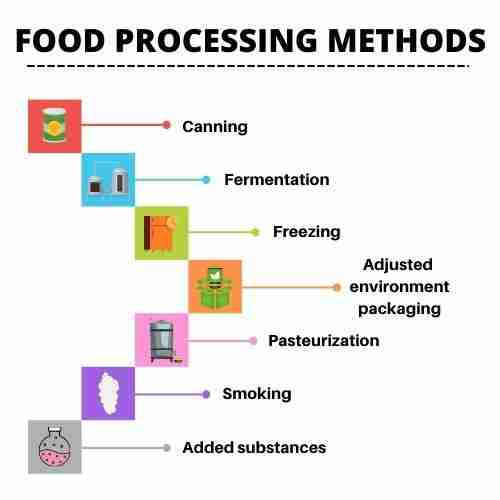
Processing corn kernels is a fascinating journey that transforms a humble grain into a variety of versatile ingredients. Each technique employed not only maximizes the utility of the kernel but also enhances its nutritional profile and usability in various culinary applications. Among the most prominent methods are dry milling and wet milling, each designed to extract different components of the corn, leading to unique products. Dry milling involves grinding the whole kernel, producing cornmeal, grits, and flour, which serve as vital staples in many cuisines. In contrast, wet milling separates the kernel into its constituent components, yielding starches, sweeteners, and even bioplastics, effectively diversifying the potential uses of this single crop.
The interplay of technology and tradition in corn processing reveals an array of fascinating products that extend far beyond the expected. Through fermentation, for instance, corn can give rise to ingredients like corn syrup and ethanol, creating new applications in both food and energy sectors. When subjected to nixtamalization, kernels soak in an alkaline solution, unlocking essential nutrients and enhancing flavor, which is pivotal in the production of masa for tortillas and tamales.
| Processing Technique | Resulting Products |
|---|---|
| Dry Milling | Cornmeal, Grits, Flour |
| Wet Milling | Starches, Sweeteners, Bioplastics |
| Nixtamalization | Masa, Tortillas, Tamales |
| Fermentation | Corn Syrup, Ethanol |
Sustainability in Corn Processing: Innovations and Best Practices
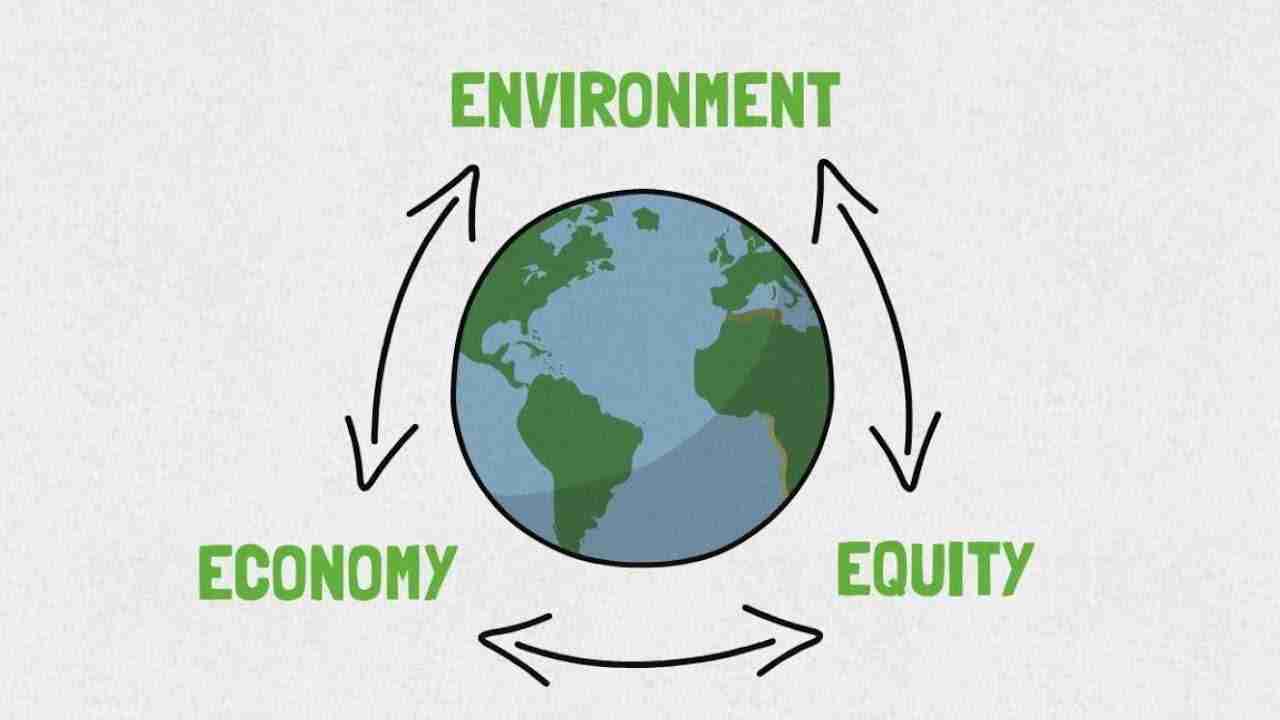
In the journey from kernel to kernel, sustainability has emerged as a critical focus within the corn processing industry. Innovators are now harnessing advanced technologies to minimize waste and conserve resources throughout the entire processing chain. Biotechnological advancements, such as genetically modified organisms (GMOs) designed for higher yield and pest resistance, play a vital role. Coupled with this, precision agriculture techniques are being utilized to optimize input usage, ensuring that fertilizers and water are applied only where needed, enhancing efficiency and reducing environmental impact.
The implementation of best practices is crucial in ensuring that corn processing is not only efficient but also eco-friendly. This includes:
- Water recycling systems that reduce freshwater consumption during processing.
- Energy-efficient machinery that lowers carbon footprints by using less energy.
- Waste-to-energy technologies that convert byproducts into renewable energy sources.
More companies are recognizing the importance of these innovations, paving the way for sustainable brands. The table below highlights notable sustainable practices in corn processing:
| Practice | Description | Benefits |
|---|---|---|
| Closed-loop systems | Reusing process water and minimizing discharge. | Reduces water use and prevents pollution. |
| Biodegradable packaging | Using materials that decompose naturally. | Decreases landfill waste and promotes environmental health. |
| Sustainable sourcing | Partners with local farmers practicing eco-friendly methods. | Strengthens community ties and promotes biodiversity. |

Future Trends in Corn Utilization: Embracing Technology and Nutrition
The role of corn in our diets is evolving alongside these technological advancements. Today’s consumers are increasingly aware of the nutritional value of their food, and corn is stepping up to meet those changing preferences. With the rise of plant-based diets, corn is being recognized as a significant source of plant proteins, fibers, and vitamins. As a result, we are seeing a surge in products such as corn-based snacks, beverages, and even meat alternatives, showcasing the grain’s adaptability. To highlight these developments, the table below presents a snapshot of emerging corn-based products and their health benefits:
| Product | Health Benefits |
|---|---|
| Cornmeal | Rich in fiber and gluten-free |
| Corn Oil | High in polyunsaturated fats; supports heart health |
| Popcorn | Low-calorie snack; high in antioxidants |
| Corn-based protein powder | Great alternative for plant-based diets |
To Conclude
As we peel back the layers of the corn processing journey, from the robust kernel to the myriad products that grace our tables, we discover that this humble grain is not merely a staple food but a cornerstone of innovation and sustainability. The transformation it undergoes—whether it’s being milled into fine flour, sweetened into syrup, or adapted for biofuel—is a testament to human ingenuity and our enduring relationship with agriculture.
In essence, the journey of corn is a reflection of our ability to harness nature’s resources while embracing efficiency and creativity. Each step in the processing chain tells a story, weaving together science, tradition, and technology. As we move forward, embracing advancements in food processing and sustainability, it is vital to remember the importance of maintaining this delicate balance.
So, the next time you savor a bowl of popcorn or enjoy a slice of cornbread, take a moment to appreciate the intricate journey that brought it to your plate. From field to factory, and ultimately to our kitchens, the corn processing narrative continues to unfold, inviting us all to partake in its rich legacy and promising future.



