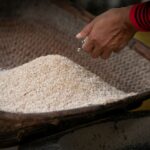
Unveiling the Future: Innovations in Paddy Processing Machines
The world of agriculture is ever-evolving, driven by the need for efficiency, sustainability, and adaptability in response to both technological advancements and the growing demands of a global population. Among the myriad crops that sustain societies, rice stands as a staple for billions, its cultivation and processing intricately linked to the livelihoods of countless farmers around the globe. At the heart of this intricate cycle lies the art of paddy processing, a field poised for transformation. As we step into a new era, innovations in paddy processing machines are not just reshaping the way rice is milled and processed; they are also redefining the potential of agricultural economies. This article delves into the cutting-edge technologies and methodologies that are transforming paddy processing, unveiling a future where efficiency meets sustainability, and where tradition harmonizes with innovation. Join us as we explore the exciting landscape of advancements that promise to revolutionize how we think about rice production and processing in the years to come.
Embracing Automation: How Smart Technology is Revolutionizing Paddy Processing
As the agricultural world evolves, the demand for efficiency and precision in paddy processing has never been more pronounced. Automation is stepping in to bridge the gap between traditional methods and modern requirements, allowing farmers to maximize their output while minimizing resource waste. Through the integration of smart technology, paddy processing machines are now equipped with advanced sensors, AI-driven analytics, and real-time monitoring systems that not only enhance productivity but also ensure quality control. This revolution not only leads to faster processing times but significantly reduces labor costs, allowing farmers to allocate their resources more strategically.
Furthermore, the use of automated machines is paving the way for sustainable agricultural practices. With features that allow for precise adjustments based on grain quality and moisture levels, farmers can optimize their operations like never before. Innovations like automated sorting systems and energy-efficient milling machines contribute to an overall reduction in waste while maintaining high efficiency. Consider the following table, which highlights the comparison between traditional and automated paddy processing:
| Processing Method | Time Efficiency | Labor Requirement | Waste Generation |
|---|---|---|---|
| Traditional | Low | High | High |
| Automated | High | Low | Low |
This shift towards smarter processing techniques is not just a trend; it represents a fundamental change in how we approach food production. As farmers continue to adopt these technologies, the future of paddy processing looks promising, combining the best of innovation with the enduring need for sustainability.

Sustainability in Design: Eco-Friendly Innovations in Machinery
As the demand for sustainable practices grows in agriculture, innovative designs in paddy processing machinery are leading the charge toward an eco-friendlier future. By leveraging advancements in technology, manufacturers are creating machines that not only enhance efficiency but also minimize environmental impact. These innovations focus on reducing energy consumption, utilizing biodegradable materials, and implementing waste management solutions. Key features include:
- Energy-Efficient Motors: Utilizing motors that consume less energy while providing high-output performance.
- Biomass Utilization: Incorporating leftover paddy husks as biofuel to power operations, significantly reducing carbon footprint.
- Smart Sensors: Implementing IoT technology to monitor and optimize resource use in real-time, ensuring minimal waste.
The integration of sustainable practices is also reflected in the life cycle assessment of new machines, ensuring that every component, from design to disposal, adheres to green standards. Furthermore, the use of recyclable components helps close the loop in machinery manufacturing. Consider the following attributes of revolutionary paddy processors:
| Innovation | Benefit |
|---|---|
| Solar-Powered Dryers | Utilizes renewable energy, reducing reliance on fossil fuels. |
| Low-Water Quenching | Minimizes water usage without sacrificing the quality of the rice. |
| Modular Design | Allows easy upgrades, reducing waste and improving longevity. |
Enhancing Efficiency: The Role of Precision Engineering in Rice Production
Precision engineering has emerged as a transformative force in the realm of rice production, significantly enhancing operational efficiency and maximizing yield. Through the integration of advanced technologies such as automated systems, smart sensors, and data analytics, rice farmers are now able to monitor conditions in real-time and respond more swiftly to environmental changes. These innovative tools not only streamline processes but also contribute to sustainable farming practices, ensuring that resources are utilized judiciously.
The deployment of precision engineering techniques in the realm of paddy processing machines has led to remarkable advancements. Key benefits include:
- Increased precision in grain sorting, ensuring only the highest quality rice reaches consumers.
- Enhanced milling efficiency, which reduces waste and maximizes output.
- Automation of handling processes, minimizing labor costs and enhancing consistency.
| Innovation | Impact |
|---|---|
| Smart Harvester Technology | Boosts harvest efficiency by coordinating optimal harvesting times. |
| AI-Driven Drying Systems | Ensures optimal moisture levels, preventing spoilage and enhancing storage. |
| Automated Packing Solutions | Improves packaging speed and accuracy, minimizing manual errors. |
Future Trends: What to Expect in Paddy Processing Solutions
As the demand for productivity and efficiency increases, the landscape of paddy processing is set to undergo a significant transformation through technology. Smart automation is anticipated to play a pivotal role in future paddy processing solutions. With advanced robotics and AI-driven systems integrated into machinery, we can expect a reduction in labor costs and an increase in precision. These innovations will not only enhance output but also improve the overall quality of rice produced. Key developments may include:
- IoT-enabled sensors for real-time monitoring of machinery performance and crop health.
- Blockchain technology for transparent supply chain management and traceability.
- Machine learning algorithms to predict equipment maintenance needs, thereby reducing downtime.
Furthermore, sustainability will become an integral part of the paddy processing narrative, driving the development of eco-friendly machines designed to minimize waste and energy consumption. Innovators are focusing on creating machines that utilize renewable energy sources and implement zero-waste practices. A potential shift towards biological processing techniques could emerge, emphasizing organic methods over traditional chemical treatments. Below is a concise comparison of expected innovations:
| Innovation | Benefits |
|---|---|
| Smart Automation | Increased efficiency and lower operational costs |
| Eco-friendly Machines | Reduced environmental impact and energy consumption |
| Biological Processing | Safer products and alignment with organic farming practices |
Final Thoughts
As we stand on the brink of a new era in agricultural technology, the innovations in paddy processing machines promise to reshape the landscape of rice production. With the advent of smart technology and automation, farmers can look forward to enhanced efficiency, reduced waste, and improved crop quality. The journey of paddy from field to table is being redefined, ensuring that the resilience of farming communities is bolstered in the face of global challenges.
As we conclude our exploration into this fascinating realm of innovation, it’s clear that the future of paddy processing is not just about machines; it’s about the people and ecosystems that they support. Embracing these advancements will not only streamline traditional practices but also secure a sustainable future for generations to come. Let us keep our eyes on the horizon, where innovation meets tradition, and celebrate the strides being made to feed the world with greater efficacy and mindfulness.