
Unlocking Potential: The Journey of Corn Processing
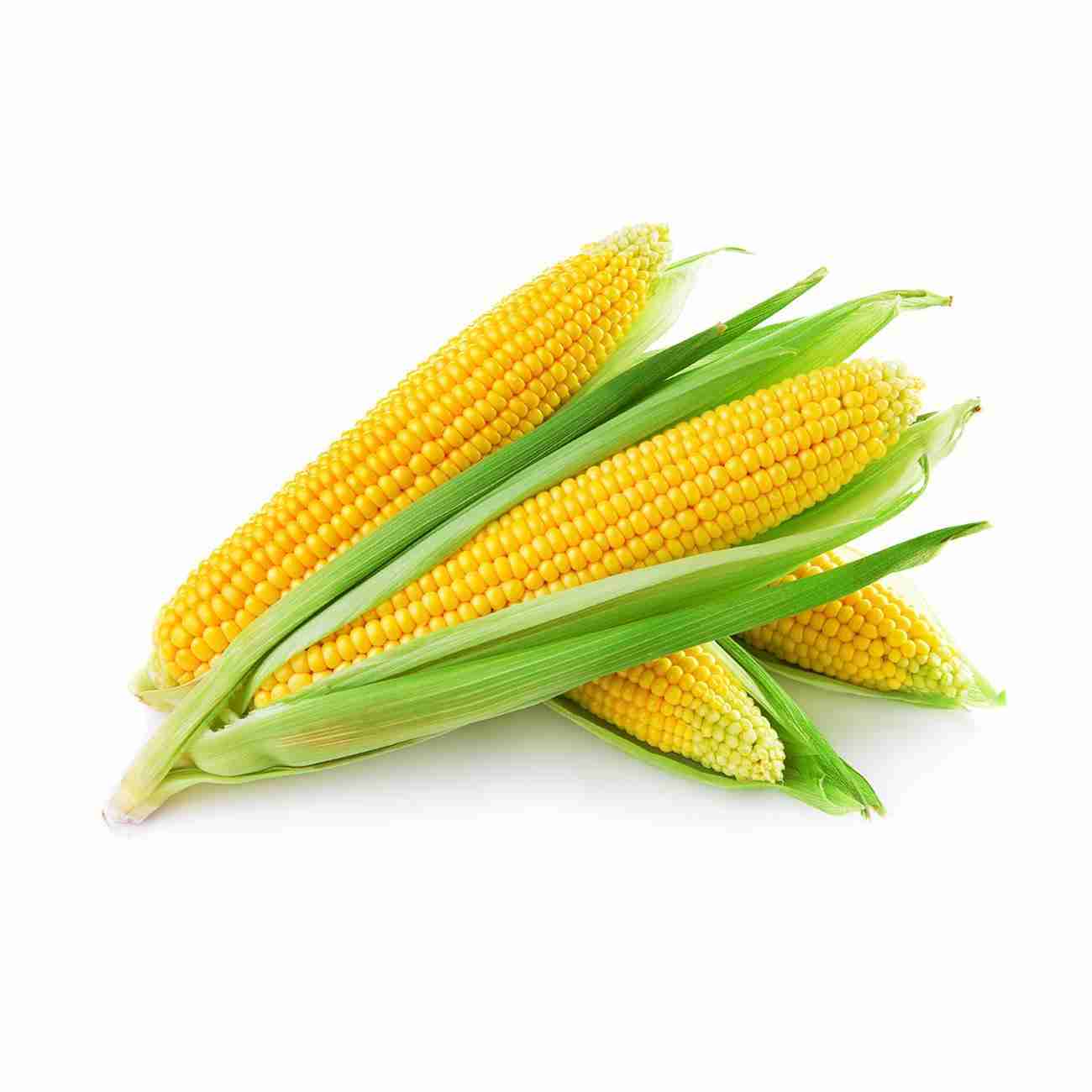
In the heart of America’s agricultural landscape, lies an often-overlooked powerhouse: corn. More than just a staple of diets and livestock feed, corn has a remarkable journey that transforms it into an array of products that permeate our everyday lives. From the golden fields glistening under the sunlight to the bustling processing plants where kernels are meticulously transformed, the story of corn processing is one of innovation, tradition, and untapped potential. This article delves into the intricate journey of corn, exploring the methods that unlock its full capabilities, the diverse byproducts it yields, and the evolving technologies that continue to enhance its versatility. As we unravel this fascinating process, we invite you to see corn not merely as a crop, but as a dynamic resource with the power to drive economies, nourish populations, and inspire sustainable practices across the globe.
Exploring the Nutritional Benefits of Corn Processing
The journey of corn processing unveils a vibrant tapestry of nutritional benefits that elevate this staple grain beyond mere sustenance. Corn, rich in essential nutrients, undergoes multiple processing methods that enhance its bioavailability and diversify its nutritional offerings. When processed into products like cornmeal, polenta, or corn tortillas, the grain retains a significant portion of its inherent goodness while also introducing unique flavors and textures to the culinary landscape. Key nutritional advantages of processed corn include:
- Enhanced Digestibility: Processing breaks down complex carbohydrates, making nutrients more accessible.
- Boosting Fiber Intake: Whole grain processing keeps dietary fiber intact, promoting digestive health.
- Rich in Antioxidants: Certain processing methods retain antioxidants like lutein and zeaxanthin, beneficial for eye health.
Additionally, the fortification of processed corn products introduces an array of essential vitamins and minerals that align perfectly with dietary needs. Various processing techniques, such as nixtamalization, not only enhance flavor but also improve nutrient absorption, particularly of calcium and niacin. The following table summarizes the nutritional content of popular processed corn products:
| Product | Calories (per 100g) | Fiber (g) | Protein (g) |
|---|---|---|---|
| Cornmeal | 370 | 7.3 | 9.2 |
| Corn Tortillas | 218 | 6.0 | 7.6 |
| Polenta | 70 | 1.5 | 1.5 |
As consumers increasingly seek health-conscious food options, the nutritional prowess of processed corn stands out, providing delicious and versatile choices that cater to various dietary preferences. Each bite reveals not just a taste of tradition but a wealth of health benefits waiting to be explored.

Innovative Techniques Transforming the Corn Industry
The corn industry has embraced revolutionary practices that not only enhance efficiency but also increase sustainability. Techniques such as precision agriculture allow farmers to monitor crop health through advanced satellite imaging and drone technology, enabling them to optimize irrigation and fertilization processes. This targeted approach minimizes waste and boosts yields, ensuring that every ear of corn contributes to a sustainable future. Moreover, biotechnology has paved the way for genetically modified corn varieties, which are engineered to resist pests and tolerate environmental stresses, significantly reducing the need for chemical pesticides and water resources.
In processing, innovative methods like dry milling and wet milling are transforming how corn is converted into valuable products. Dry milling involves grinding whole corn kernels, which can then be used to produce cornmeal, corn flour, and even snacks. On the other hand, wet milling process facilitates the separation of corn into its component parts, yielding high-value products such as corn syrup, starch, and ethanol. Both techniques leverage sustainability practices by utilizing by-products to reduce waste and maximize profit margins. these advancements not only enhance the profitability of corn farming and processing but also align with the growing global emphasis on sustainable agricultural practices.
| Technique | Description |
|---|---|
| Precision Agriculture | Utilizes technology for real-time monitoring and resource management. |
| Biotechnology | Uses genetic modification to enhance plant resilience and reduce chemical use. |
| Dry Milling | Transforms whole corn into flour and snacks through grinding. |
| Wet Milling | Separates corn into components for high-value product extraction. |

Sustainable Practices in Corn Processing for a Greener Future
The evolution of corn processing is intertwined with sustainability in ways that hold immense potential for both the environment and the economy. As we look towards a greener future, embracing eco-friendly methodologies is essential in every step of the processing chain. Sustainable practices in this sector can include:
- Water Conservation: Implementing advanced irrigation techniques and wastewater recycling can significantly reduce water consumption.
- Energy Efficiency: Utilizing renewable energy sources like solar and wind can decrease reliance on fossil fuels, lowering the carbon footprint of processing plants.
- Waste Reduction: Transforming by-products into useful materials, such as animal feed or biofuels, minimizes waste and maximizes resource usage.
- Organic Practices: Supporting organic corn farming not only enhances biodiversity but also improves soil health, contributing to a regenerative agricultural system.
Moreover, the integration of innovative technologies can bolster sustainability in corn processing. For instance, precision farming techniques can optimize planting and harvesting, ensuring that resources are used efficiently. Additionally, smart logistics systems can streamline supply chains, reducing emissions linked to transportation. Consider the following table highlighting the impact of adopting these practices:
| Practice | Benefit | Impact Measurement |
|---|---|---|
| Water Recycling | Lower resource depletion | 30% reduction in water usage |
| Energy Use | Decreased carbon emissions | 50% renewable energy adoption |
| Waste Utilization | Increased efficiency | 25% reduction in waste output |
Adopting these sustainable practices in corn processing not only contributes to a healthier planet but also paves the way for economically viable systems that can support future generations. The journey towards sustainability is a collective effort, one that requires active participation from farmers, processors, and consumers alike.
Economic Opportunities Arising from Corn Value Addition
Corn processing offers a plethora of economic opportunities that can transform local economies and enhance food security. By harnessing the vast potential of value-added products, communities can tap into a range of markets, boosting their agricultural sector. Farmers can benefit from higher profit margins by producing items such as corn flour, corn syrup, and even bioplastics. As the demand for organic and sustainable products continues to rise, innovations in processing techniques allow for the creation of gluten-free alternatives and health-conscious snacks. Emerging technologies, including fermentation and fractionation, also pave the way for newer applications, turning corn into coveted ingredients for various industries.
The expansion of corn processing creates significant job opportunities and fosters entrepreneurship within rural areas. Local businesses can capitalize on this by implementing small-scale processing facilities, which not only create employment but also stimulate local supply chains. Additionally, investing in research and development fosters collaboration among farmers, scientists, and technologists, leading to the discovery of new corn derivatives and their uses. Key potential revenue streams include:
- Animal Feed: Converting by-products into high-quality feed boosts livestock productivity.
- Biofuels: Utilizing surplus corn for renewable energy production can reduce dependence on fossil fuels.
- Cosmetics: Extracting corn oil can drive innovation in natural beauty products.
| Value-Added Product | Market Potential | Benefits |
|---|---|---|
| Corn Oil | High demand in food and cosmetics | Healthy fat alternative |
| Corn Starch | Widely used in food processing | Versatile thickening agent |
| Sweeteners | Rise in low-calorie product markets | Natural sweetening option |
The Way Forward
As we conclude our exploration of the intricate journey of corn processing, it becomes clear that this humble grain is a remarkable conduit of potential. From the fields where it thrives under the sun’s embrace to the innovative technologies that transform it into a myriad of products, corn serves as a testament to human ingenuity and adaptability. Each step in the processing chain reveals not just the versatility of corn, but also the broader narrative of sustainability and progress within our food systems.
As we move forward, it is crucial to recognize the implications of how we grow, process, and consume corn. With evolving practices and a growing understanding of ecological balance, we have the opportunity to harness this potential responsibly, ensuring that the benefits of corn processing contribute to a more sustainable and equitable future.
In unlocking the potential of corn, we are not merely processing a grain; we are cultivating a deeper connection to our resources and the planet. As we look ahead, let us embrace the journey of innovation, stewardship, and creativity that lies within the humble kernel, inspiring us all to rethink the way we view our food and its journey from field to table.



