
Behind the Bowl: The Art and Science of Cereal Processing
In the quiet corners of breakfast tables around the world, a seemingly simple bowl of cereal holds a story that intertwines art and science. But have you ever paused to ponder the journey that transforms humble grains into your morning ritual? “Behind the Bowl: The Art and Science of Cereal Processing” invites you to explore the intricate processes that lie beneath the surface of those crunchy flakes and enticing puffs. From the meticulous selection of grains to state-of-the-art processing techniques, each step is a dance of innovation and tradition, driven by both culinary creativity and rigorous scientific principles. Join us as we delve into this fascinating world, uncovering how manufacturers enhance flavor, texture, and nutrition, all while navigating the challenges of sustainability and consumer demands. Prepare to discover the hidden artistry and intricate methodologies that turn raw ingredients into the beloved cereals that fuel our day.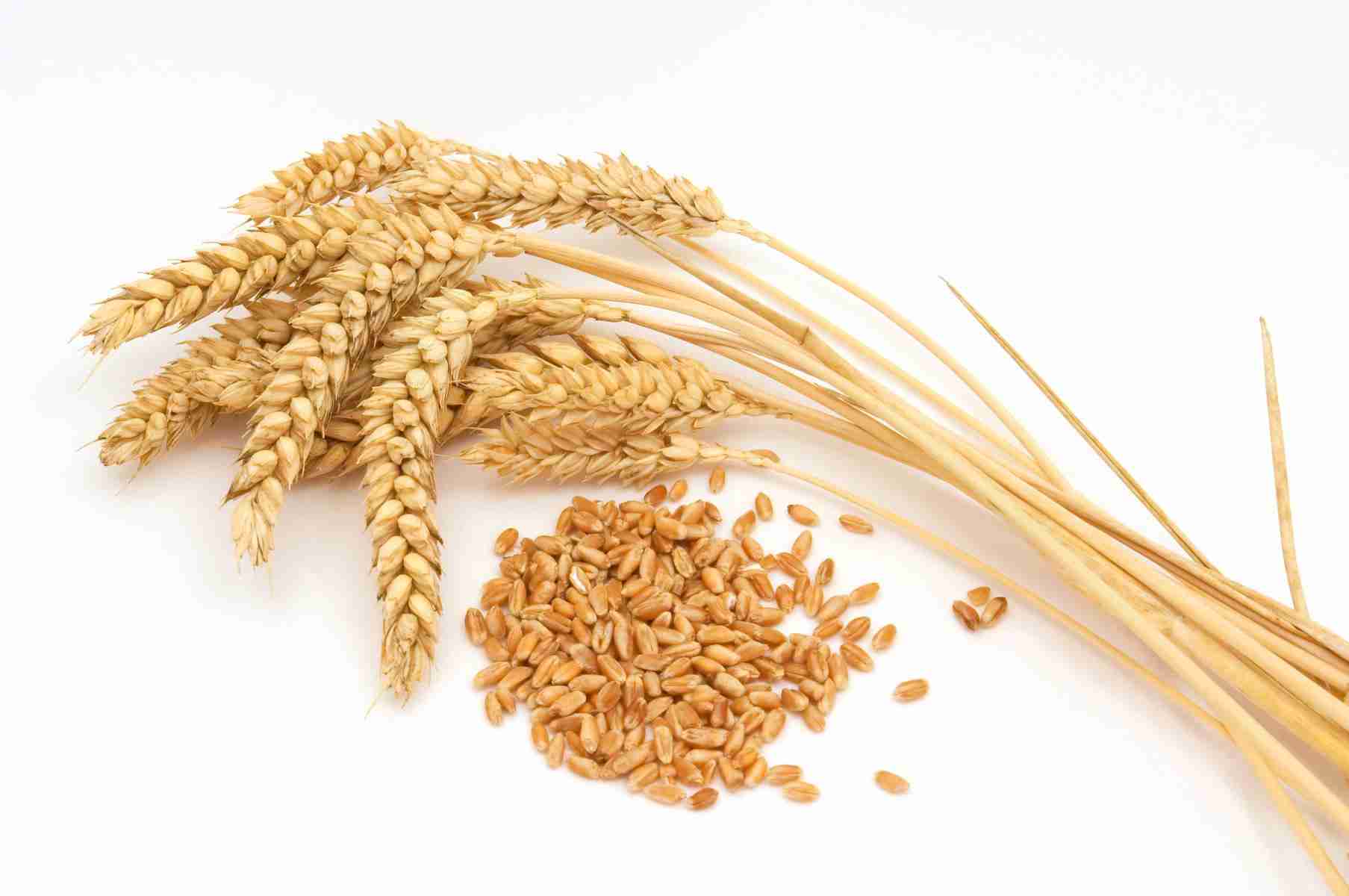
The Journey of Grain: From Field to Flake
The journey of grain begins in the fertile fields, where dedicated farmers cultivate various cereal crops such as wheat, corn, and oats. These grains, once harvested, are transported to processing facilities, where the magic truly begins. The first step in this intricate process is cleaning, which removes impurities like dirt, stones, and unwanted seeds. Following that, the milling stage finely grinds the grains into flour or flakes, meticulously controlling texture and consistency. Key factors in this stage include moisture content, which impacts flavor and shelf life, and the milling technique, whether stone-ground or roller-milled, each offering unique characteristics to the final product.
Once milled, the grains undergo toasting or puffing, a process that not only enhances flavor but also creates the characteristic crunch we associate with breakfast cereals. This stage is complemented by fortification, where vitamins and minerals are added to enhance nutritional value. Next, the mixtures are shaped and extruded into various forms, from classic flakes to whimsical shapes that delight children. To understand the variety of textures and flavors available, here’s a brief overview of some common processing methods:
| Processing Method | Description | Common Products |
|---|---|---|
| Flaking | Compressing and cooking grains to create thin, crispy flakes. | Corn flakes, oat flakes |
| Puffing | Expanding grains using heat and pressure for a light texture. | Rice puffs, puffed wheat |
| Extrusion | Forcing dough through a shaped die, leading to unique forms. | Ankle cereal shapes, shapes based on seasons or themes |

Unlocking Flavor: The Science of Ingredient Selection
Every successful cereal begins with a thoughtful selection of ingredients, each playing a pivotal role in the final flavor profile. A symphony of tastes is orchestrated through the careful combination of whole grains, sweeteners, and flavor enhancers. Grain selection, whether it be oats, corn, or rice, sets the stage, providing not only the base flavor but also the texture and nutritional components. The choice of sweeteners, from brown sugar to honey, can elevate or balance the flavor, while flavor enhancers—like vanilla extract or fruit extracts—add that extra touch that captivates the palate. The interplay between these ingredients sparks a unique culinary chemistry that transforms ordinary components into an extraordinary breakfast experience.
Beyond taste, the nutritional profile of these ingredients also demands attention. Mindful cereal processing strives to maximize health benefits while maintaining flavor coherence. The addition of fiber-rich ingredients, nuts, and seeds can boost nutrient density without compromising taste. Also crucial is the percentage of added sugars, as this can significantly impact overall healthfulness. To illustrate the importance of ingredient balance, consider the following table, which outlines the common ingredients found in popular cereals and their respective roles:
| Ingredient | Role in Cereal |
|---|---|
| Whole Grains | Base flavor, texture, and energy source |
| Sweeteners | Enhances sweetness and overall flavor balance |
| Nuts/Seeds | Adds crunch, flavor diversity, and healthy fats |
| Dried Fruits | Natural sweetness and chewy texture |
| Flavor Agents | Personalizes taste profile (e.g., vanilla, cocoa) |
By understanding how these choices impact flavor and health, cereal makers can create products that not only tantalize the taste buds but also contribute to a balanced diet. Experimentation and innovation in ingredient selection open up a world of possibilities, allowing for the continuous evolution of breakfast staples while respecting consumer preferences and nutritional guidelines.
The Craft of Texture: Techniques in Cereal Production
The intricate journey of cereal production begins with the careful selection of grains, each chosen specifically for its potential to contribute unique textures and flavors. As these grains undergo processing, various techniques are employed to enhance their characteristics, transforming them from simple seeds into delightful breakfast options. Among the methods utilized, toasting is a popular choice, where grains are heated to develop depth in flavor and a crunchy texture. Additionally, extrusion allows for customization of shapes and additional texture formations, creating everything from flaked cereals to puffs and shapes that delight consumers. Another important process is flaking, where cooked grains are rolled and flattened, resulting in light and crispy texture that complements milk, enhancing the overall eating experience.
Texture in cereals often hinges on a balancing act between moisture content, particle size, and processing speed. Drying techniques are crucial, as they prevent spoilage while maintaining crispiness. During this stage, moisture is carefully monitored to ensure optimal texture. Furthermore, fortification can introduce additional powders that not only enrich the cereal nutritionally but also alter the texture, giving rise to different sensations when consumed. To summarize the relationship between these techniques and their outcomes, here’s a visual cheat sheet:
| Technique | Texture Outcome | Flavor Impact |
|---|---|---|
| Toasting | Crispy, Crunchy | Deep, Roasted |
| Extrusion | Varied Shapes, Lightness | Neutral Base, Customizable |
| Flaking | Light, Airy | Subtle Sweetness |
| Drying | Stable, Crisp | Concentration of Flavors |
| Fortification | Enhanced Texture | Varied Based on Additives |

Nourishing Choices: Understanding Nutritional Enhancements
In the intricate dance of cereal processing, the selection of ingredients leans heavily upon the principles of nutrition. Different grains—such as oats, wheat, and barley—not only contribute unique flavors but also offer assorted health benefits. Key enhancements often woven into irresistible blends include vitamins and minerals, which are essential for optimizing bodily functions. Manufacturers frequently enrich their products, adding nutrients like:
- Iron – vital for transporting oxygen
- Fiber – supporting digestive health
- Folic Acid – crucial for cell division
Beyond mere fortification, cereal brands are also exploring natural enhancements, incorporating superfoods into their mixes. Seeds, nuts, and dried fruits not only elevate taste but also boost the nutritional profile of each serving. When examining these options, consumers can find an exciting variety of nutrient-rich components, each chosen for their potential health advantages:
| Ingredient | Benefit |
|---|---|
| Chia Seeds | Rich in omega-3 fatty acids |
| Almonds | High in vitamin E and magnesium |
| Dried cranberries | Full of antioxidants |
The beauty of modern cereal processing lies not only in enhancing flavors and textures but also in the ability to cater to evolving consumer preferences for healthful choices. By understanding these enhancements, individuals can make informed decisions that align with their nutritional goals, transforming breakfast from a mundane routine into a vibrant celebration of nourishment.
Final Thoughts
As we conclude our journey through the intricate world of cereal processing, we find that what seems like a simple morning ritual is, in fact, a harmonious blend of art and science. Behind the bowl lies a meticulous orchestration of agricultural techniques, innovative technology, and culinary craftsmanship, all designed to turn humble grains into the cherished breakfast staple we know today.
From the fields where grains are cultivated to the factories where they are transformed, the entire process reflects a commitment to quality and consistency that often goes unnoticed. Each crunch of a flake or spoonful of puffs carries the weight of tradition, innovation, and a deep-seated understanding of nutrition and flavor.
As you pour your next bowl of cereal, take a moment to appreciate the journey it has undertaken—from the seed to your table. The next time you savor a sweet, crunchy bite, remember that every spoonful represents a complex narrative of nature and nurture, crafted for your enjoyment. In a world increasingly focused on the origins and impact of our food, the story of cereal processing offers a delicious reminder of the intricacies involved in even the simplest of pleasures. So, here’s to the art and science behind the bowl—an ongoing saga that celebrates both innovation and tradition in the quest for the perfect breakfast.



