
From Kernel to Product: The Journey of Corn Processing
Corn, a staple crop that has woven itself into the fabric of countless cultures and cuisines, is more than just a bright yellow kernel fluttering in the breeze of a sunlit field. It is a versatile ingredient that undergoes a remarkable transformation as it travels from the farm to our kitchens. This journey, often unseen by the average consumer, is a fascinating blend of nature’s bounty and human ingenuity, showcasing the myriad ways that a single crop can be processed into a diversity of products. In this article, we will explore the intricate steps involved in corn processing, illuminating the various techniques that harness its potential, and the industries that flourish as a result. From traditional methods that honor age-old practices to modern innovations that push the boundaries of what corn can become, join us as we uncover the path that takes corn from kernel to product in a world that is increasingly driven by sustainability and creativity.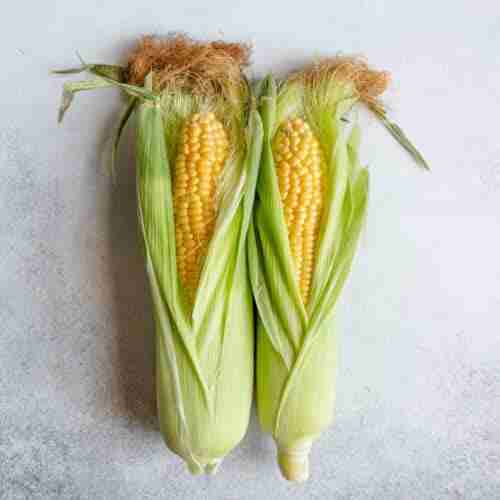
Exploring the Anatomy of Corn: Understanding Kernels and Their Varieties
Corn, one of the most versatile crops on the planet, comes in various forms and colors that are ripe for exploration. At the heart of this beloved grain are the kernels, which are not only the edible part of the plant but also the building blocks of many products we use daily. These kernels can be categorized into several varieties, each with unique characteristics:
- Sweet Corn: The favorite for summer barbecues, known for its high sugar content.
- Field Corn: Primarily used for animal feed and industrial products, often less sweet.
- Flint Corn: A hard-shelled variety great for popping, making it perfect for popcorn.
- Baby Corn: Harvested early, this tender treat is a staple in stir-fries.
- Blue Corn: With a distinct color, it’s often used in tortilla production and has a nuttier flavor.
These different varieties of kernels contribute to a range of textures and flavors utilized in a multitude of products. As the journey of corn processing begins, the journey showcases the transformation of these humble kernels into an array of consumer goods such as cornmeal, cornflakes, and corn syrup. Here is a brief glimpse into the transformation process:
| Stage | Description |
|---|---|
| Harvesting | Collecting mature ears of corn from the fields. |
| Drying | Reducing moisture content to ensure longevity. |
| Milling | Grinding kernels into meal or flour for various uses. |
| Refining | Extracting corn oil or creating syrup through processing. |
Innovative Techniques in Corn Processing: From Field to Factory
Advancements in corn processing have come a long way, employing innovative techniques that enhance efficiency and reduce waste while preserving the quality and nutritional value of the kernel. One of the most significant developments has been the introduction of enzymatic treatments, which utilize natural enzymes to break down complex carbohydrates into simpler sugars. This not only maximizes yield but also opens doors to the creation of value-added products like biofuels and sweeteners. Furthermore, mechanical processing techniques such as dry milling and wet milling have seen enhancements, utilizing precision equipment to ensure the optimal separation of corn’s components. These methods allow for the extraction of a multitude of corn derivatives, including starches, oils, and proteins, which cater to diverse industries from food production to bioplastics.
Another groundbreaking innovation in corn processing is the implementation of smart technology within the supply chain. By integrating IoT devices and data analytics, processors can monitor every step of corn’s journey—from its growth in the field to its transformation in the factory. This real-time data acquisition helps to optimize resource allocation and identify potential efficiency bottlenecks. The collaboration of artificial intelligence with traditional processing methods allows for continuous improvements and adjustments based on predictive analytics. As a result, the corn processing industry is not only meeting increasing demand but also paving the way toward sustainable practices that benefit both farmers and consumers alike.
| Technique | Benefits |
|---|---|
| Enzymatic Treatments | Increased yield, improved quality |
| Mechanical Processing | Efficient extraction of derivatives |
| Smart Technology Integration | Enhanced monitoring & efficiency |

Sustainable Practices in Corn Production: Balancing Efficiency and Environment
The journey of corn from field to product is both a marvel of agricultural engineering and a testament to our growing commitment to environmental stewardship. Adopting sustainable practices in corn production involves a careful balance between maximizing yield and minimizing ecological impact. Crop rotation, cover cropping, and reduced tillage are some key strategies employed by forward-thinking farmers. By rotating corn with legumes, the soil is enriched with nitrogen, reducing the need for synthetic fertilizers. On the other hand, cover crops serve not only to prevent soil erosion but also to enhance biodiversity and soil health, forming a resilient foundation for successive corn crops.
Furthermore, integrating precision agriculture techniques has revolutionized the monitoring and management of corn fields. Harnessing technology such as soil sensors and satellite imaging allows farmers to apply resources like water and fertilizers more efficiently, thereby reducing waste and minimizing the carbon footprint. Below is a table summarizing some essential sustainable practices along with their environmental benefits:
| Practice | Environmental Benefits |
|---|---|
| Crop Rotation | Enhances soil fertility and reduces pest outbreaks |
| Cover Crops | Minimizes erosion, improves water retention, and supports biodiversity |
| Reduced Tillage | Prevents soil compaction and enhances carbon sequestration |
| Precision Agriculture | Optimizes resource use, reducing excess application and waste |

Market Trends and Consumer Preferences: Navigating the Corn Products Landscape
The corn processing industry is experiencing a dynamic shift, influenced by evolving consumer preferences and market trends. As health-conscious individuals increasingly adopt diets that prioritize natural and sustainable ingredients, producers are responding by diversifying their offerings. This includes a surge in demand for non-GMO and organic corn products, reflecting a broader movement toward transparency and sustainability in food sourcing. Key drivers include:
- Health Awareness: Consumers are seeking whole-grain and minimally processed options.
- Environmental Impact: A preference for sustainable farming practices is prompting brands to highlight eco-friendly credentials.
- Innovative Products: The growth of corn-derived alternatives, such as plant-based proteins and gluten-free flours, is becoming more prominent.
These trends are not merely passing fads; they are reshaping the corn products landscape, propelling companies to invest in research and development to create innovative solutions that meet consumer demands. The emergence of alternative uses for corn, such as bioplastics and biofuels, also emphasizes the versatility of this grain and opens new avenues for market expansion. A snapshot of current consumer preferences can be illustrated as follows:
| Consumer Preference | Market Impact |
|---|---|
| Non-GMO Corn Products | Increased sales by 20% in the past year |
| Organic Corn Flours | Higher price points driving premium market growth |
| Plant-based Corn Alternatives | Expansion into major retail chains |
Wrapping Up
As our exploration of corn processing comes to a close, we find ourselves marveling at the remarkable journey this humble kernel undertakes—from the sun-kissed fields of the farm to its many roles in our kitchens and industries. Each step in this intricate process, from harvesting and milling to refining and packaging, reveals the sophistication and innovation inherent in transforming a simple grain into a versatile ingredient that nourishes and sustains us.
As we have seen, corn is not merely a staple; it is an integral part of our cultural tapestry and a key component in various sectors, including food, biofuels, and textiles. This transformative voyage highlights the synergy between nature and technology, where science meets tradition, proving that even the most ordinary of crops can hold extraordinary potential.
As we reflect on this journey, it becomes clear that our relationship with corn extends beyond consumption—it embodies the spirit of sustainability, innovation, and connection to the land. So, the next time you enjoy a bowl of popcorn at the movies or use corn-based products in your daily life, take a moment to appreciate the remarkable path each kernel has traveled. Indeed, the journey from kernel to product is not just a tale of agriculture; it is a narrative rich with history, ingenuity, and a testament to human creativity in harnessing nature’s bounty.



