
Unlocking the Secrets of Cereal Processing: A Closer Look
In the heart of our bustling breakfast tables lies a familiar yet often overlooked staple: cereal. This beloved morning ritual, with its colorful boxes and enticing crunch, masks a fascinating world of processing that transforms raw grains into the ready-to-eat delights we pour into our bowls. But have you ever paused to consider the journey these humble grains undertake from field to table? The art and science of cereal processing is a complex tapestry woven from agriculture, technology, and nutrition. In this article, we invite you to peer behind the curtain of cereal manufacturing, exploring the innovative techniques and meticulous processes that unlock the full potential of our everyday breakfast choices. From harvesting to packaging, we’ll delve into the secrets of how grains are refined, flavored, and fortified, revealing the intricate steps that make every spoonful not just convenient, but also a marvel of modern food science. Join us as we uncover the hidden intricacies of cereal processing and celebrate the ingenuity that brings this morning staple to life.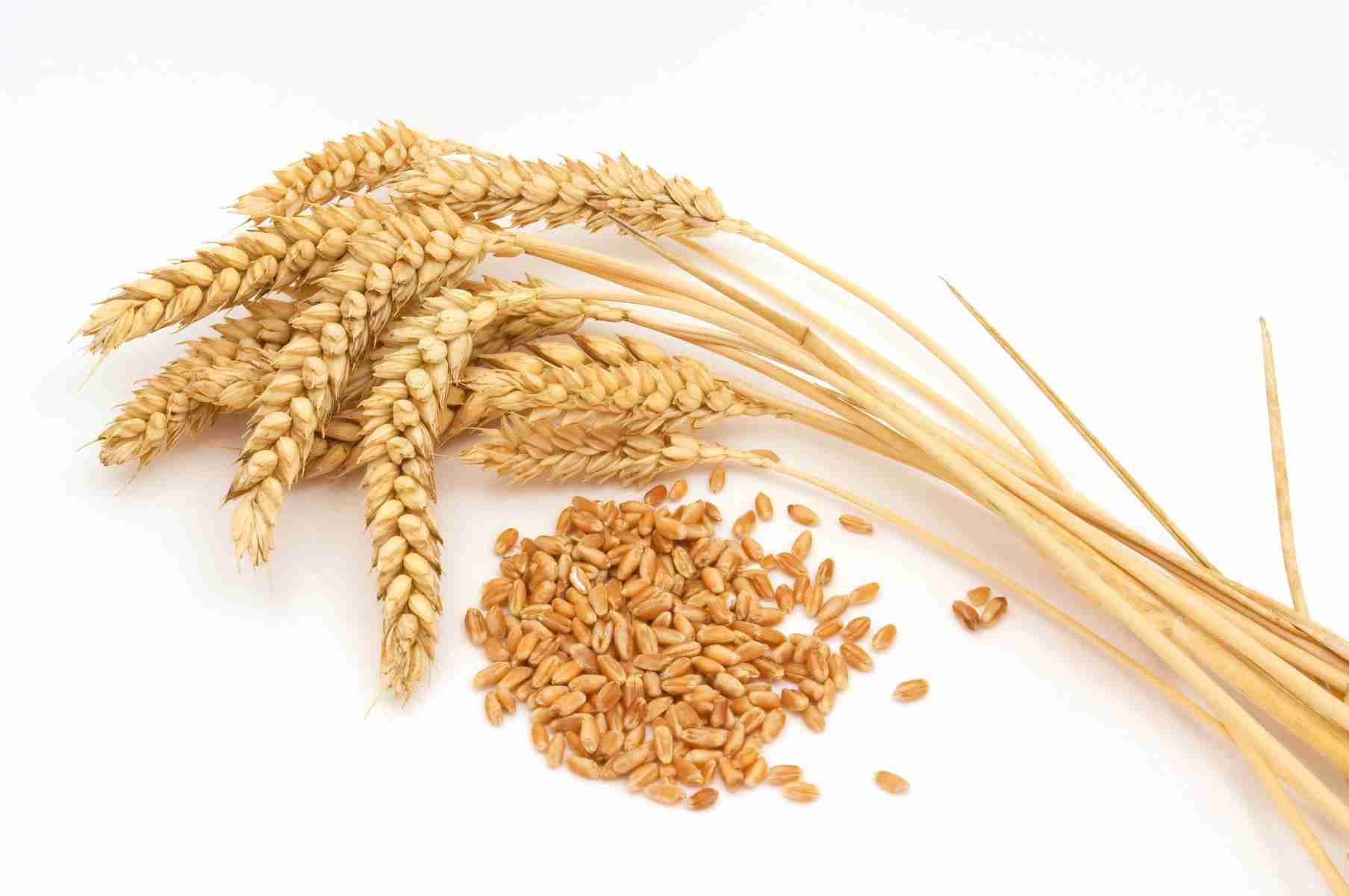
Exploring the Journey from Grain to Bowl
Imagine the journey embarked upon by humble grains before they find their rightful place in your morning bowl. It all begins in lush fields where whole grains such as wheat, oats, and corn are cultivated with care, harnessing the right balance of sunshine and rain. After harvest, these nutritious powerhouses undergo a transformation with several meticulous steps, including cleaning, milling, and toasting. Each step is crucial, ensuring that the grains maintain their integrity and health benefits. Along the way, grains are separated from their hulls to unveil the edible portions, which are then prepared for the next phase of processing.
Once the grains are processed, they are often enriched with additional vitamins and minerals to boost their nutritional content, fulfilling consumer demand for healthy breakfast options. This enriched value often goes hand-in-hand with exciting flavors and textures, appealing to diverse palettes. After packaging, cereals make their way to store shelves, arriving in vibrant boxes and bags that promise delightful breakfast experiences. with a splash of milk or yogurt, these beautifully crafted cereals fulfill their destiny, delivering not just sustenance but joy in every bite. Beneath the surface, however, lies a complex world of agricultural practices, innovation, and culinary artistry that brings the grain from the farm to your table.
| Stage | Description |
|---|---|
| Harvest | Grains are carefully harvested from fields. |
| Cleaning | Grains are cleaned to remove impurities. |
| Milling | Grains are ground to desired consistency. |
| Enrichment | Vitamins and minerals are added for health benefits. |
| Packaging | Cereals are packaged for retail sale. |

Understanding the Science Behind Cereal Texture and Flavor
The texture and flavor of cereal are the results of intricate scientific processes that begin with raw grains and end with the crispy, flavorful bowls we know and love. The extrusion process plays a pivotal role in determining these characteristics. During extrusion, grains are subjected to high temperatures and pressure, causing starch gelatinization and protein denaturation. This transformation not only alters the physical properties of the cereal but also influences its palatability. The moisture content, the type of grains used, and the cooking time all contribute significantly to the final product, resulting in a range of textures, from light and airy to dense and crunchy.
Flavor development is an equally complex adventure, primarily influenced by the Maillard reaction, which occurs when reducing sugars and amino acids react under heat. This reaction is responsible for the toasty, savory notes found in most cereals. The inclusion of various additives—such as flavorings, sweeteners, and fat—can further enhance the taste profile. Consider the following elements that contribute to overall flavor and texture:
- Grain Selection: Different grains impart distinct flavors and textures.
- Preparation Method: Techniques like roasting or puffing affect crunchiness.
- Additives: Sugars and flavor enhancers create complexity in taste.
| Texture Type | Characteristics |
|---|---|
| Crispy | Light and airy, often achieved through puffing. |
| Crunchy | Dense texture that offers satisfying resistance. |
| Chewy | Soft yet resilient, providing a longer mouthfeel. |

Innovative Processing Techniques for Enhanced Nutritional Value
Modern cereal processing methods go beyond traditional techniques to enhance the nutritional profile of grains, ensuring a healthier food supply. Innovations such as extrusion, fermentation, and micronization are paving the way for higher bioavailability of essential nutrients. Extrusion, for instance, not only creates unique textures but also activates certain enzymes that improve the digestibility of protein and carbohydrates. Fermentation processes introduce beneficial probiotics, which aid in gut health and may boost the availability of vitamins and minerals. Additionally, micronization reduces particle size, increasing the surface area for absorption and allowing the body to assimilate nutrients more efficiently.
The implementation of these advanced techniques allows manufacturers to produce cereals that are not only delicious but also packed with health benefits. Some critical outcomes of these innovative processing techniques include:
- Enhanced Fiber Content: Increased dietary fiber improves satiety and digestive health.
- Improved Protein Quality: Processing methods can enhance the amino acid profile, making plant-based proteins more comparable to animal sources.
- Greater Mineral Availability: Techniques that reduce antinutrients enhance the absorption of minerals like iron and zinc.
A comparison table showcasing the effects of different processing methods demonstrates their potential advantages:
| Processing Method | Nutritional Benefit | Key Feature |
|---|---|---|
| Extrusion | Improved Digestibility | Texture Variation |
| Fermentation | Probiotic Boost | Prolonged Shelf Life |
| Micronization | Increased Bioavailability | Enhanced Nutrient Absorption |

Sustainable Practices in Cereal Production and Packaging
Adopting eco-friendly methods in cereal production not only reduces environmental impact but also enhances sustainability in agriculture. By utilizing regenerative farming techniques, farmers can maintain soil health, improve water retention, and increase biodiversity. These practices often include:
- Crop rotation: Alternating cereal crops with legumes or other plants to replenish soil nutrients.
- Cover cropping: Planting crops during off-seasons to prevent soil erosion and promote nutrient cycling.
- Reduced tillage: Minimizing soil disturbance to maintain organic matter and protect ecosystems.
In terms of packaging, manufacturers are leaning towards innovative materials that prioritize recyclability and biodegradability. Shifting from traditional plastics to sustainable alternatives ensures that the environmental footprint is significantly lowered. The following materials are gaining traction in the cereal packaging industry:
| Material | Benefits |
|---|---|
| Recycled Paper | Biodegradable and easily recyclable, reducing landfill waste. |
| Bamboo Fibers | Renewable resource that is strong and lightweight. |
| Plant-Based Plastics | Made from renewable biomass, decreasing reliance on fossil fuels. |
By merging these sustainable practices, the cereal industry can play a crucial role in promoting environmental stewardship and creating a healthier planet for future generations.
Wrapping Up
As we untangled the intricate web of cereal processing, we unearthed a world that is as fascinating as it is essential. From the golden fields that cradle the grains to the sophisticated machinery that turns them into breakfast staples, we’ve discovered that cereal production is a blend of science, art, and innovation. Each step, whether it’s milling, toasting, or flavoring, plays a vital role in the final product that graces our bowls each morning.
The journey from farm to table is not just about nutrition; it’s a story of tradition and technology, of generations adapting to meet the tastes and needs of consumers. As we move forward in an ever-evolving food landscape, understanding these processes can empower us to make informed choices, appreciate the craftsmanship behind our food, and even inspire a deeper connection to our everyday meals.
So, the next time you pour yourself a bowl of cereal, take a moment to reflect on the careful orchestration behind it. Who knows? You might just find yourself inspired by the secrets you’ve unlocked today, making breakfast not just a meal but a celebration of ingenuity and tradition.



