
From Grain to Bowl: Exploring the Journey of Cereal Processing
In the soft morning light, the day begins with a ritual as familiar as the sunrise: the crackling sound of a cereal box being opened and the gentle pour of golden flakes or clusters into a waiting bowl. But have you ever paused to consider the journey that these seemingly simple morsels have undertaken? From the sun-drenched fields where golden grains sway in the breeze, to the intricate machinery of processing plants that transform raw harvests into crispy delights, the journey of cereal is a fascinating tale of agriculture, innovation, and quality control. In this article, we invite you to embark on a behind-the-scenes exploration of cereal processing—unraveling the steps, the science, and the craftsmanship that together create the breakfast staples we cherish. Join us as we trace the path from grain to bowl, celebrating not just what we eat, but how it came to be.
Understanding the Seed: The Origins of Cereal Grains
The journey of cereal grains begins with the humble seed, a tiny powerhouse packed with potential. Seeds are the reproductive units of flowering plants, ensuring the survival of species by germinating into new plants. Grains like wheat, rice, and corn come from grasses that have evolved over millennia, adapting to various climates and soils. This adaptation is a fascinating interplay of genetics and the environment, creating diverse forms suited for distinct agricultural practices around the globe. Some species have been domesticated over thousands of years, transforming wild grains into staples for civilizations. A few critical factors influence the selection and cultivation of these grains:
- Climate adaptability: Different grains thrive in specific weather conditions, influencing where they can be cultivated.
- Nutritional content: Grains vary in vitamins, minerals, and protein levels, guiding their use in various diets.
- Yield efficiency: Farmers select grains that produce higher yields for sustainable agriculture.
Understanding the origins of these seeds not only highlights their biological significance but also underscores their impact on agriculture and food security. Through selective breeding and genetic modification, farmers have honed these seeds for resilience, disease resistance, and improved nutritional profiles. With advances in technology, the study of grain genetics allows for innovations that can further sustain global food supply. The following table illustrates some of the primary cereal grains along with their basic characteristics:
| Grain | Common Uses | Nutritional Benefits |
|---|---|---|
| Wheat | Breads, pasta | High in protein, fiber |
| Rice | Side dishes, sushi | Low in fat, energy-dense |
| Corn | Popcorn, tortillas | Rich in carbohydrates, vitamins |
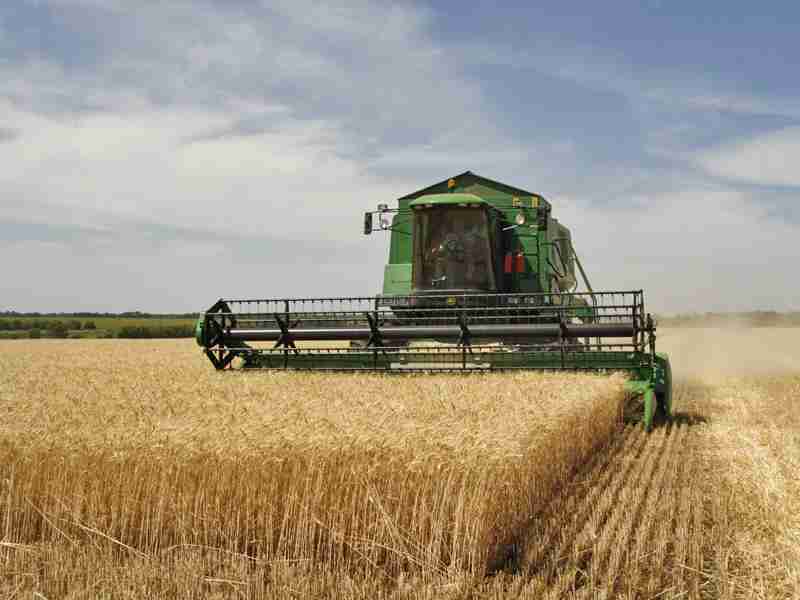
Harvesting and Drying: Essential Steps in Cereal Processing
Once the crops have matured in the fields, the process of harvesting begins, marking a pivotal moment in cereal processing. Farmers utilize specialized machinery such as combines to efficiently gather grains from vast fields. This stage is crucial as it determines the quality and quantity of the yield. Timely harvesting is essential to prevent spoilage due to weather conditions, pests, or diseases. Key considerations include:
- Moisture Level: Ensuring grains are harvested at the right moisture content to avoid spoilage.
- Timing: Harvesting at the optimal time to achieve maximum yield.
- Machinery Selection: Choosing the appropriate equipment to minimize grain damage.
After harvesting, the grains undergo drying to further enhance their shelf life and quality. Moisture content must be carefully managed during this phase to prevent spoilage during storage. Drying typically involves passing warm air through the grains, a process requiring precision to ensure the grains do not cook or lose their nutritional value. Factors influencing the drying process include:
- Temperature Control: Maintaining an appropriate temperature to effectively reduce moisture.
- Time Management: The duration of drying must be optimized to ensure thorough drying without over-processing.
- Storage Conditions: Ensuring that the grains are stored in a cool, dry place post-drying to maintain quality.
The table below illustrates the importance of moisture content at different stages of the cereal processing journey:
| Stage | Optimal Moisture Content (%) | Consequences of Imbalance |
|---|---|---|
| Harvesting | 14-20 | Possible mold growth and spoilage |
| Drying | 13-15 | Increased risk of insect infestation and degradation |
| Storage | 12-14 | Quality loss and nutritional degradation |

Milling and Beyond: Transforming Grains into Breakfast Staples
The journey from grain to breakfast staple begins with the ancient art of milling, where raw grains are carefully transformed into flour, grits, or semolina. This intricate process not only involves grinding but also meticulously cleaning and conditioning the grains to achieve optimal quality. Key steps in this journey include:
- Harvesting: Fresh grains are gathered at their peak maturity.
- Cleaning: Impurities and debris are removed to ensure purity and flavor.
- Milling: Grains are ground down into various consistencies, depending on the end product.
- Blending: Different grains can be combined to create unique flavors and textures.
Once the grains have been milled, they undergo several processes that elevate them into beloved breakfast cereals. Important transformations include toasting for crunchiness, flaking for lightness, and sweetening for palatability. Various ingredients may also be added, such as nuts, seeds, or dried fruits, contributing additional nutritional value and flavor diversity. A notable example is the creation of granola, which combines baked oats and sweeteners, evolving into a morning favorite:
| Type of Cereal | Main Ingredients | Texture |
|---|---|---|
| Oatmeal | Whole oats, water/milk | Creamy |
| Granola | Oats, honey, nuts | Crunchy |
| Corn Flakes | Corn, sugar, malt | Crispy |

Nutritional Insights: Choosing the Right Cereals for Your Diet
When navigating the cereal aisle, it’s essential to understand what makes a cereal nutritious and suitable for your specific dietary needs. Look for options that contain whole grains, as these retain the bran and germ, providing more fiber and nutrients compared to their refined counterparts. Additionally, pay close attention to the added sugars; many cereals can be deceptively sweetened, which may affect your overall health. A general rule of thumb is to choose cereals with less than 10 grams of sugar per serving, ensuring you’re getting more of the good stuff without unnecessary calorie overload.
Another key factor is the presence of essential nutrients. Fortified cereals can be excellent sources of vitamins and minerals like iron, calcium, and B vitamins. Always check the nutrition label for the percentage of daily value (%DV) of these nutrients, as a good cereal should offer substantial contributions to your daily intake. To assist in your choices, here’s a simple comparison of typical cereal types:
| Cereal Type | Whole Grains | Added Sugars (g) | Fiber (g) |
|---|---|---|---|
| Oatmeal | ✔ | 1 | 4 |
| Granola | Depends | 10+ | 3 |
| Flakes | ✔ | 4 | 2 |
| Cheerios | ✔ | 1 | 3 |
By considering these aspects—whole grains, added sugars, and essential nutrients—you can make informed choices that align with your health goals. Selecting the right cereal can pave the way for better breakfasts, ultimately contributing to your overall well-being.
In Summary
As we conclude our exploration of the journey from grain to bowl, it becomes evident that the path of cereal processing is as intricate as it is fascinating. From the sun-drenched fields where grains are cultivated to the state-of-the-art facilities where they are expertly transformed, each step underscores the harmony between nature and science. This journey not only reflects years of agricultural tradition and innovation but also highlights our ever-evolving relationship with food.
As you pour your next bowl of cereal, take a moment to appreciate the myriad of hands and processes that have made it possible. Each flake, every puff, carries with it a story of sustainability, craftsmanship, and care. Whether it’s a comforting breakfast staple or a quick snack, cereal has woven itself into the fabric of our daily lives, merging nourishment with the convenience of modern living.
So, the next time you enjoy a simple bowl of cereal, remember the journey it undertook—one that connects us to the earth, our farmers, and the artisans committed to quality. Let it remind you of the larger narrative of food, where each ingredient, each flavor, tells its own tale. Now more than ever, the cycle of grain to bowl invites us to reflect on the choices we make, urging us to savor not just the taste but the rich legacy behind it.



