
Unlocking the Secrets of Maize Milling: A Grain’s Journey
In the heart of countless cuisines and cultures lies a humble grain that has shaped the fate of nations: maize, also known as corn. This golden staple, with its fascinating array of varieties and culinary applications, holds a special place not only on our plates but also in the annals of agricultural history. Yet, the journey from cob to cornmeal is an intricate process, one that involves a delicate dance between nature and technology. As we delve into the world of maize milling, we will uncover the secrets behind this age-old practice, exploring the methods, machinery, and meticulous craftsmanship that transform harvested kernels into the versatile products we use daily. Join us as we embark on this exploration of maize’s transformative journey and discover the art and science that keep this ancient grain at the forefront of food innovation.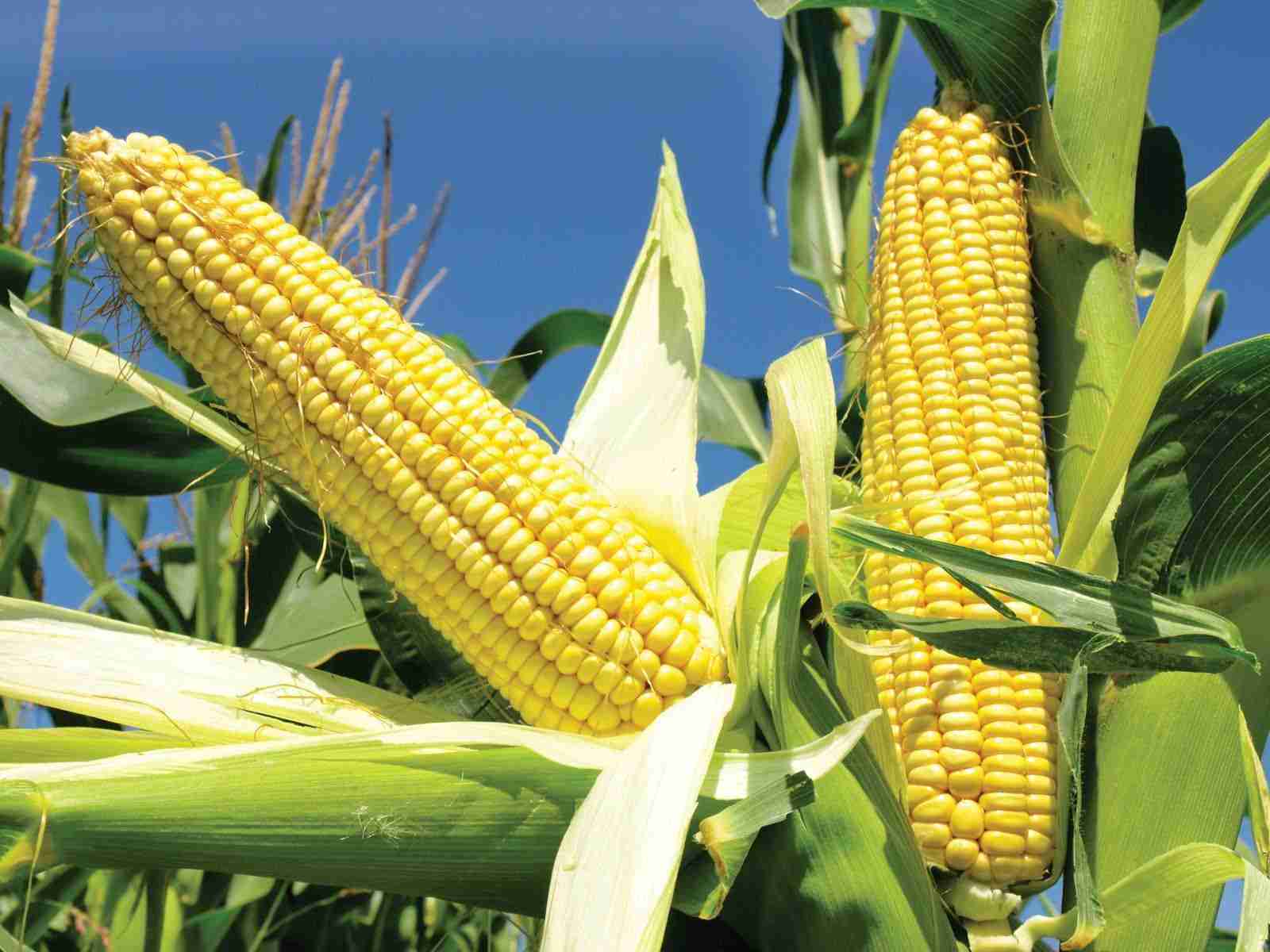
Understanding the Maize Lifecycle from Field to Mill
To truly appreciate the journey of maize from field to mill, one must first understand its lifecycle, which begins with the careful selection of seeds and meticulous planting. Farmers choose high-quality seeds suited to their specific climate and soil types, often considering qualities like drought resistance and yield potential. After planting, the seeds sprout, and for the next several months, the maize plants undergo a transformation through various growth stages, influenced by factors such as sunlight, water, and nutrient availability. As the plants thrive, critical processes, including pollination, occur, which are essential for the formation of maize ears, where the kernels develop.
Once the maize is ready for harvest, typically signified by dry, golden ears, the collection process is evaluated based on the moisture content and overall crop health. After harvesting, the maize goes through steps like drying and storage to maintain quality before it finally reaches the mill. Here, at the mill, the maize undergoes further processing, turning whole kernels into various forms such as flour and grits. Key stages in this process include cleaning, grinding, and sifting, ensuring the final products meet industry standards. Understanding these intricate steps not only illustrates the complexities of maize production but also highlights the collaboration of nature and technology in delivering one of our most essential staple crops.
The Milling Process: Techniques and Technologies Unveiled
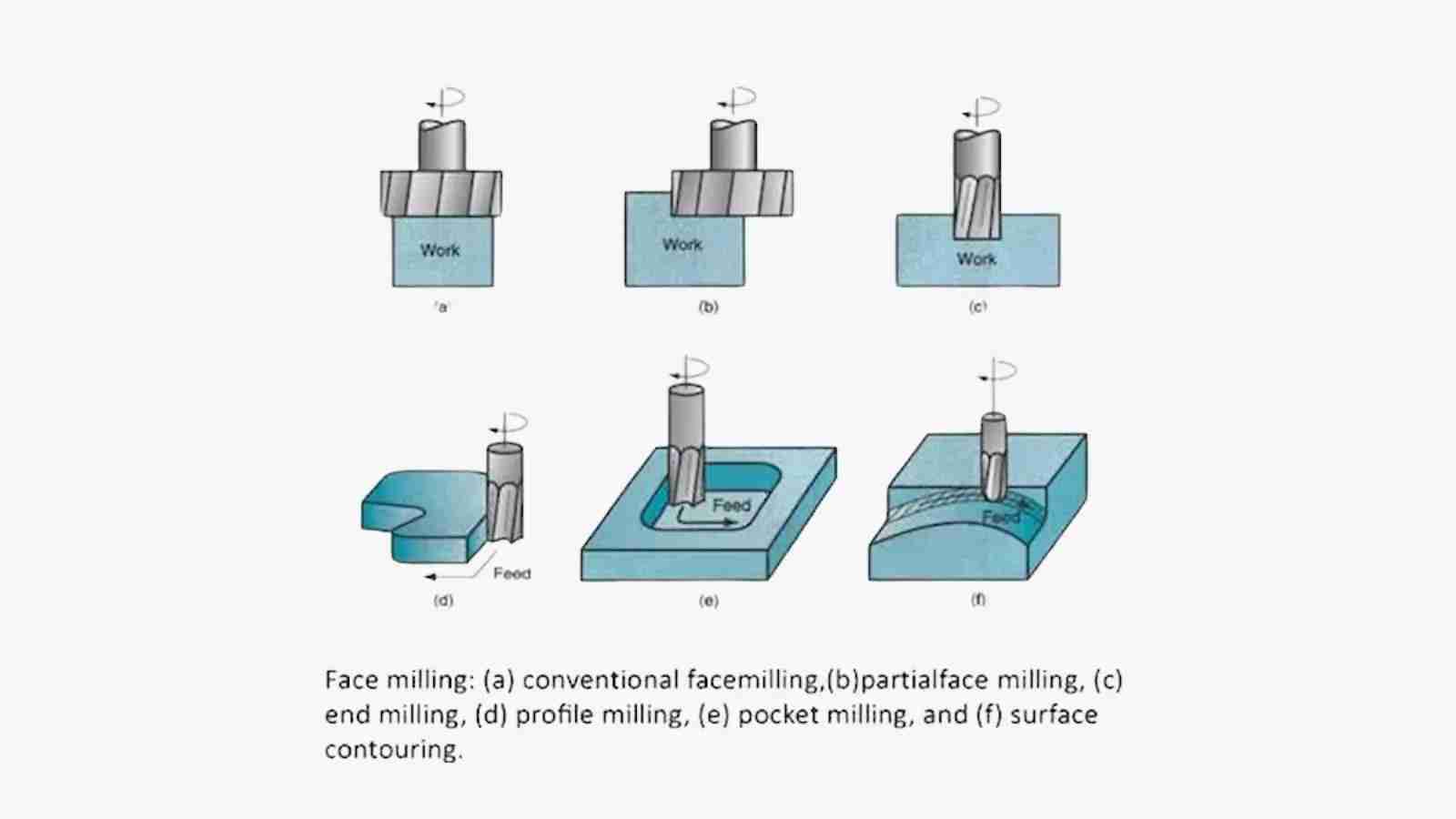
The milling process transforms harvested maize into a versatile ingredient, profoundly impacting its texture and nutritional value. At the heart of this journey, various techniques come into play, each contributing to the end product’s quality. Traditional methods often involve grinding the grain between two stones, a practice that has endured centuries. However, modern advancements have introduced innovative milling machines that efficiently break down the kernels, ensuring less waste and better consistency. Today, the most commonly employed techniques include:
- Dry Milling: Perfect for producing ingredients like corn flour and grits.
- Wet Milling: Utilized for extracting starches and producing syrup and sweeteners.
- Peripheral Milling: This technique maximizes yield by processing grain along its edges, ensuring thorough utilization.
Each method demands a specific setup and machinery designed for the desired final product. The technological evolution of milling has also spurred the creation of specialized tools with precision grinding capabilities. Essential parameters, such as moisture content and seed cleanliness, dictate the choice of milling technology. To illustrate the differences in yield and application between these methods, consider the following:
| Milling Technique | Primary Products | Typical Applications |
|---|---|---|
| Dry Milling | Cornmeal, Grits | Baking, Breakfast Foods |
| Wet Milling | Starches, Sweeteners | Food Industry, Biofuels |
| Peripheral Milling | Flours, Meal | Snack Foods, Cereals |

Quality Control in Maize Milling: Strategies for Success
Ensuring quality throughout the maize milling process is vital for producing high-grade products. Millers can implement several effective strategies to maintain quality control that not only safeguard the integrity of the maize but also enhance the end product. Key approaches include:
- Regular Raw Material Inspection: Conducting meticulous checks on incoming maize for moisture content, foreign material, and overall quality.
- Process Monitoring: Utilizing advanced technology to monitor milling parameters such as temperature, pressure, and grinding speed to tackle potential issues proactively.
- Quality Assurance Protocols: Establishing clear standard operating procedures (SOPs) for milling processes ensures consistency and reliability.
- Employee Training: Providing continuous education and resources for staff to understand quality standards and the impact of their roles in maintaining these standards.
Another effective measure is to create a comprehensive feedback loop that incorporates customer input into the milling operation. By analyzing consumer preferences and product performance, millers can adapt their techniques and improve product formulations. Implementing a quality data dashboard can significantly enhance decision-making processes. Consider the following table showcasing common quality metrics and their targets:
| Quality Metric | Target Value |
|---|---|
| Moisture Content | 13-14% |
| Breakage Rate | < 2% |
| Foreign Material Content | < 0.5% |

Maximizing Efficiency: Best Practices for Mill Operations
To achieve optimal performance in milling operations, various strategies can be employed, ensuring that each step of the maize’s journey is efficient and effective. One crucial aspect is the careful selection of equipment tailored for specific milling processes. Consider investing in high-quality milling machines that are designed for durability and precision. Additionally, regular maintenance of machinery plays a significant role in minimizing downtime and enhancing productivity. Key practices include:
- Routine Inspections: Conduct daily and weekly checks on machinery to address minor issues before they escalate.
- Calibration: Regularly calibrate milling equipment to maintain accuracy and consistency in output.
- Operator Training: Invest in comprehensive training programs for staff to ensure they are skilled in operating machinery and understanding the milling process.
Moreover, streamlining the workflow within the mill can dramatically boost overall efficiency. This includes the organization of raw materials, as well as the implementation of an effective inventory management system. By utilizing techniques such as just-in-time inventory, mills can reduce waste and improve the turnover of ingredients. Below is an illustrative table highlighting key factors that contribute to efficiency:
| Factor | Description | Impact |
|---|---|---|
| Flow Optimization | Streamlining the movement of maize through various stages of milling. | Increases throughput and reduces handling times. |
| Energy Management | Using energy-efficient machinery and practices. | Reduces operational costs and environmental impact. |
| Quality Control | Implementing rigorous quality assurance procedures. | Ensures product quality and customer satisfaction. |
Insights and Conclusions
As we draw the curtain on our exploration of maize milling, we’ve embarked on a journey that transcends mere grains. From the verdant fields where maize takes root to the humming mills that transform its golden kernels into versatile flour and meal, each step reveals the artistry and science behind this essential food source. Understanding the intricate processes involved not only enhances our appreciation for maize but also deepens our connection to the communities and cultures that rely on it.
In unlocking the secrets of maize milling, we uncover a tapestry woven with tradition, innovation, and sustainability. Whether used in staple dishes or crafted into gourmet delights, maize bridges the past with the present, nourishing bodies and fueling economies. As you consider the next meal made with maize, remember the journey it undertook—the hands that tended to it, the machines that ground it, and the culinary possibilities that await. In each bite, there’s a story waiting to be savored. Thank you for joining us on this enlightening journey through the world of maize milling, where every kernel tells a tale.



