
Choosing the Top Rice Mill: A Comprehensive Guide for Buyers
In the ever-evolving world of agriculture and food processing, the role of a rice mill stands as a cornerstone in transforming a humble grain into a staple of countless diets. Whether you’re a first-time entrepreneur venturing into the rice milling business or an experienced operator looking to upgrade your equipment, selecting the right rice mill is a crucial decision that can significantly impact your operational efficiency and product quality. This comprehensive guide aims to illuminate the intricate process of choosing the ideal rice mill by exploring essential factors such as technology, capacity, cost, and sustainability. As we delve into the myriad options available, we aspire to equip buyers with the knowledge necessary to make informed choices that cater to their unique needs and contribute to the success of their enterprises. Join us on this journey to uncover the essentials of rice milling and discover how to elevate your operations to new heights.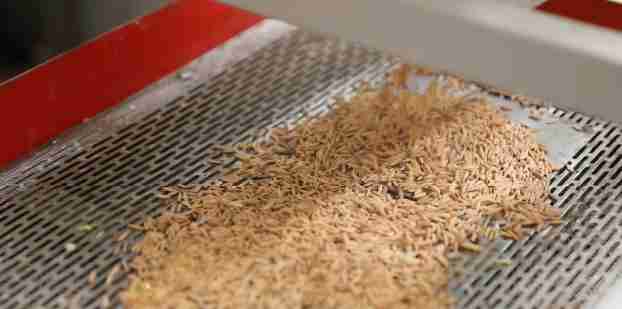
Understanding Your Rice Milling Needs
Determining the right rice milling equipment is crucial for maximizing efficiency and quality in your operations. Start by evaluating your production capacity needs. Consider factors such as the volume of rice you process daily, as well as peak seasons when demand may fluctuate. This requires assessing both the short-term objectives and long-term growth plans of your business. Additionally, understanding the types of rice you will be milling plays a significant role; different varieties may require specific milling techniques or equipment configurations.
Another essential aspect is to clarify your budget. Rice milling machinery can range significantly in price, and it’s vital to balance cost with performance. Look for features such as energy efficiency, maintenance requirements, and technology integration that can save costs long-term. Furthermore, familiarize yourself with the importance of brand reputation and customer support, ensuring that your investment comes with reliable service and parts availability. To aid your decision process, consider creating a simple comparison chart, outlining key features and specifications of different models you are interested in.
| Feature | Model A | Model B | Model C |
|---|---|---|---|
| Capacity (kg/hour) | 500 | 700 | 1000 |
| Energy Consumption (kW) | 15 | 20 | 25 |
| Price ($) | 5,000 | 7,000 | 9,000 |
| Customer Support | Excellent | Good | Average |

Evaluating Technology and Efficiency in Rice Mills
When selecting a rice mill, it is crucial to assess the integration of technology in its operations. Effective machinery not only impacts the quality of the final product but also enhances the overall efficiency of the milling process. Look for features such as automated cleaning systems, efficient husking mechanisms, and precision grading capabilities, which can significantly improve output rates. Additionally, modern milling equipment often incorporates energy-efficient motors and sensors that optimize performance, reduce waste, and lower operational costs. Understanding the technological advancements in rice milling can offer a competitive edge in both production quality and cost-effectiveness.
Furthermore, evaluating the efficiency of a rice mill involves looking at its capacity and output speed. The ideal rice mill should meet your production requirements while minimizing downtime. Consider the following aspects during your evaluation:
- Processing Capacity: Analyze the mill’s capacity (in tons per hour) to ensure it aligns with your production goals.
- Energy Consumption: Opt for models that offer reduced power consumption without sacrificing performance.
- Maintenance Needs: Choose a rice mill that allows easy access for repairs and routine maintenance to optimize uptime.
| Feature | Importance |
|---|---|
| Automated Systems | Enhances efficiency and reduces manual labor |
| Output Speed | Directly affects production rates |
| Energy Efficiency | Minimizes operational costs |
Key Features to Look for in a Quality Rice Mill
When selecting a rice mill, it’s essential to consider several features that contribute to its efficiency and performance. Durability is paramount; a robust construction ensures that the mill can withstand the demands of continuous operation. Look for models equipped with high-grade materials such as stainless steel and reinforced components that promise longevity. Another significant aspect is processing capacity. A good rice mill should match your production needs, whether for small-scale farming or larger commercial operations. Assess the mill’s output rate, often measured in tons per hour, to ensure it aligns with your operational goals.
In addition to build quality and capacity, examine the technological features integrated into the rice mill. Advanced models often include automated controls and micronutrient management systems, enhancing precision in milling processes. It’s also wise to check for energy efficiency ratings, as this can lead to significant cost savings over time. Moreover, consider the ease of maintenance. A design that allows for straightforward access to components will simplify repairs and reduce downtime. Below is a table summarizing these critical features:
| Feature | Importance |
|---|---|
| Durability | Ensures longevity and withstands continuous use |
| Processing Capacity | Affects operational efficiency and output |
| Technological Features | Enhances precision and process efficiency |
| Energy Efficiency | Reduces operational costs |
| Ease of Maintenance | Minimizes downtime and repair complexity |
Making the Right Investment: Price vs. Performance
When investing in a rice mill, the balance between price and performance is crucial. A lower initial cost might seem appealing, but it is essential to consider the long-term benefits and durability of the machine. Often, the best investments are those that may require a slightly higher upfront cost but offer superior performance, efficiency, and longevity. Carefully evaluate how each option aligns with your production needs and financial goals. Consider the following factors:
- Energy Efficiency: A more expensive model may consume less power, saving you money on energy bills over time.
- Output Quality: Higher quality machinery often yields better quality rice, which can enhance your marketability.
- Warranty and Support: Companies that invest in their machines often provide better support and longer warranties, translating to peace of mind.
Additionally, take into account the total cost of ownership versus the purchase price. This includes maintenance, replacement parts, and operational efficiency. Analyzing features such as processing speed and versatility can guide you towards a model that not only meets your immediate demands but also provides room for future growth. Below is a simplified comparison that illustrates how various models perform against their price tags:
| Model | Price ($) | Output (kg/h) | Energy Consumption (kW) |
|---|---|---|---|
| Model A | 2,500 | 800 | 5 |
| Model B | 3,500 | 1,200 | 4.5 |
| Model C | 4,200 | 1,500 | 4 |
This table highlights that while the initial price of a rice mill is a significant factor, the relationship between cost and operational efficacy often reveals that investing in higher performance machines can lead to greater profitability and reliability in the long run.
Closing Remarks
In the quest for the perfect rice mill, knowledge is your most powerful ally. As we’ve explored in this comprehensive guide, selecting the right equipment involves a careful appraisal of your unique needs, budget, and the specific attributes that define quality in rice milling. From understanding milling technology to considering the scale of your operation, each factor plays a pivotal role in your decision-making process.
As you embark on this journey to find the top rice mill, remember that informed choices lead to fruitful outcomes. Whether you are a small-scale farmer, a budding entrepreneur, or an established business looking to upgrade, the right rice mill can enhance efficiency, improve product quality, and ultimately elevate your success in the market.
May your path to choosing the ideal rice mill be as smooth as the grains it processes, paving the way for rice that is not only a staple but a source of pride in every bowl. Thank you for joining us on this exploration—now go forth and make your rice milling dreams a reality!



