
Title: Unlocking Grains: The Art and Innovation of Chinese Rice Mills
In the heart of China, where the fertile plains meet the rhythm of centuries-old traditions, a remarkable transformation unfolds—one that encapsulates both the artistry of ancient practices and the pulse of contemporary innovation. Rice, often referred to as the grain of life, has sustained civilizations for millennia, serving not just as a staple food but as a cultural cornerstone woven into the very fabric of society. At the center of this transformation are Chinese rice mills, where the delicate process of unlocking grains into their fullest potential is both an art form and a testament to technological advancement.
This article delves into the intricate world of rice milling in China, exploring how age-old techniques harmonize with cutting-edge innovations to enhance efficiency and quality. From the traditional wooden pestles used in small villages to the sprawling, high-tech facilities of modern agribusiness, the rice mill serves as a microcosm of China’s agricultural evolution. Join us as we journey through this multifaceted landscape, unveiling the stories, challenges, and innovations that define the rice milling industry, and discover how these processes not only feed a nation but also preserve a rich heritage.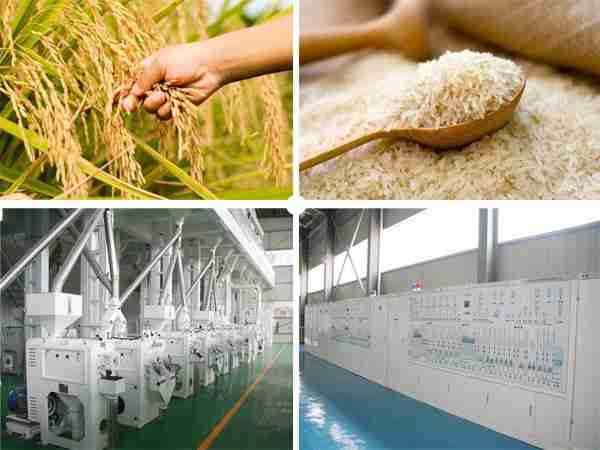
Exploring the Historical Significance of Rice Milling in Chinese Culture
Throughout centuries, rice milling has played a pivotal role in shaping not only the agricultural landscape of China but also in influencing its culinary and social fabric. The process of milling rice is much more than a mere agricultural practice; it signifies the intricate relationship between the land, the people, and their sustenance. Traditional water mills, powered by rivers, defined rural communities where families gathered not just to mill their rice but to share stories, forge bonds, and celebrate traditions. The rhythmic sound of watermills echoed in the valleys, serving as a backdrop to daily life and cultural rituals, emphasizing community cohesion and the importance of food in uniting societies.
Moreover, the evolution of rice milling technology reflects the broader narrative of innovation within Chinese culture. From hand-operated pestles to more sophisticated mechanical mills, these advancements illustrate the marriage of artisanship and ingenuity. The introduction of steam-powered machines in the late 19th century revolutionized rice production, paving the way for increased efficiency and commercial viability. This evolution can be seen in key milestones, which include:
| Year | Milestone |
|---|---|
| 10th Century | During the Song Dynasty, the first water-powered rice mills emerged. |
| 19th Century | The introduction of steam-powered mills transformed rice processing. |
| 20th Century | Modernization led to the establishment of large-scale industrial rice mills. |
The blend of age-old traditions with modern techniques epitomizes the ongoing dialogue between history and progress. This relationship not only preserves the identity of rice milling within Chinese culture but also allows it to adapt and thrive amidst changing societal dynamics.
Innovative Technologies Reshaping Modern Rice Mills
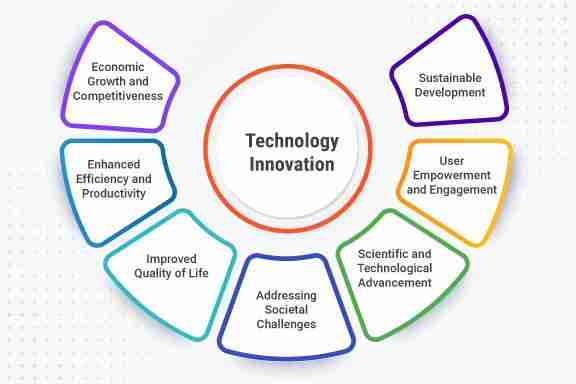
As the demand for efficiency and sustainability grows within the agricultural sector, rice mills are embracing cutting-edge technologies that revolutionize the processing of this staple grain. Advanced automation systems, powered by artificial intelligence and machine learning, are now prevalent in their operations. These systems allow for precise adjustments during the milling process, optimizing yield and reducing waste. Mill operators are also utilizing Internet of Things (IoT) devices to monitor machinery performance in real-time, ensuring that any potential issues are addressed promptly, thereby enhancing the overall productivity of the mills.
Moreover, the integration of eco-friendly practices complements technological advancements in the industry. Many rice mills are transitioning to renewable energy sources, such as solar and biomass, significantly reducing their carbon footprint. The advent of smart milling technologies, which include water recycling systems and waste-to-energy conversions, aligns with global sustainability goals. In addition, the use of blockchain technology allows for traceability in rice sourcing and processing, fostering transparency and building consumer trust. Together, these innovations not only improve the efficiency of rice mills but also contribute to a greener and more sustainable future for food production.
Strategies for Sustainable Practices in Grain Processing
Embracing eco-friendly methodologies in grain processing is not just a trend but a necessity as the world seeks more sustainable food production. Chinese rice mills can adopt practices that significantly reduce their carbon footprint while enhancing productivity. Key strategies include utilizing renewable energy sources such as solar or wind power to minimize reliance on fossil fuels. Furthermore, integrating water-saving technologies like closed-loop systems can dramatically decrease water wastage during milling processes.
Incorporating smart technology also opens up avenues for sustainability. By leveraging data analytics and machine learning, mills can optimize their operations to reduce excess waste and energy consumption. Establishing partnerships with local farmers can lead to shorter supply chains, which not only supports the local economy but also lessens the environmental impact associated with transportation. Additionally, mills can implement byproduct utilization strategies, transforming what was once waste into valuable products, thereby promoting a circular economy within the industry.
Elevating Quality: Tips for Choosing the Best Rice Varieties
When selecting rice varieties, understanding the flavor profiles and cooking characteristics is essential. Each type of rice brings unique qualities and can complement different dishes. For instance, Jasmine rice offers a fragrant aroma and a slightly sticky texture, making it perfect for Thai and Vietnamese cuisine. On the other hand, Basmati rice, with its long grains and nutty flavor, pairs beautifully with Indian dishes. Considerations such as growing region and harvest time can also influence taste and quality, so pay attention to where your rice is sourced from.
Moreover, the processing method used in rice milling plays a crucial role in determining the final product’s quality. Look for varieties that have been carefully milled to retain their nutrients and flavor. Below are key factors to contemplate:
- Whole Grain vs. White Rice: Whole grains retain their bran and germ, which are packed with nutrients.
- Organic Certification: Certified organic rice often means fewer chemicals and pesticides.
- Texture and Stickiness: Some dishes require sticky rice; ensure you choose varieties that gel well when cooked.
| Rice Variety | Best For | Texture |
|---|---|---|
| Jasmine | Thai curries | Fluffy & Slightly Sticky |
| Basmati | Biryanis | Fluffy & Separate |
| Arborio | Risotto | Creamy & Sticky |
| Glutinous | Desserts | Very Sticky |
Insights and Conclusions
As we draw the curtain on our exploration of Chinese rice mills, we find ourselves at the intersection of tradition and innovation, where age-old practices meet modern ingenuity. Each grain of rice tells a story—a narrative woven from the fields of China’s fertile plains, crafted meticulously in the rhythmic cadence of milling machinery. In this vibrant tapestry, the art of rice milling emerges not merely as a process but as a celebration of culture, technology, and sustainability.
In an era where food security and quality are paramount, Chinese rice mills exemplify how innovation can preserve heritage while embracing the future. From the intricate designs of milling equipment to the skilled hands that operate them, the journey of rice is a testament to human resilience and creativity. As we unlock new potentials within this ancient grain, it’s clear that rice mills are not just facilitators of production; they are pivotal players in a larger narrative of nourishment and global connection.
As we conclude this journey through the beans and bolts of rice milling, let us carry forward a newfound appreciation for the humble grain. Each meal that graces our tables, rich with history and craftsmanship, invites us to savor not just the flavor, but also the legacy of innovation that continues to unfold in the world of rice. In unlocking grains, we discover not only the essence of sustenance but also a deeper understanding of the intricate threads that bind us to our food and to each other.



