
Unlocking Potential: A Comprehensive Guide to Rice Mill Plants
In a world where the demand for food production continues to rise, the efficient processing of staple grains like rice is more critical than ever. Rice mill plants stand at the intersection of agriculture and industry, transforming harvested paddy into one of the most consumed foods globally. But what does it take to unlock the potential of a rice mill plant? This comprehensive guide delves into the intricate machinery, innovative technologies, and essential management practices that combine to streamline operations and maximize yield. Whether you’re a seasoned investor, an aspiring entrepreneur, or simply curious about the industry, this article aims to illuminate the myriad facets of rice mill plants and their vital role in feeding the world. Join us as we explore how these facilities not only cater to dietary needs but also contribute to economic growth and sustainability, ultimately unveiling the untapped possibilities within this burgeoning field.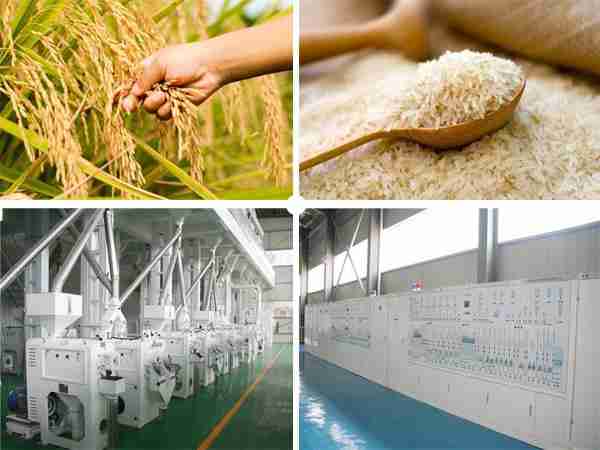
Understanding the Rice Milling Process and Its Impact on Quality
The rice milling process is a crucial step in transforming raw paddy into the polished grains that consumers enjoy. It involves several stages, each designed to maximize yield while ensuring the quality of the final product. The initial step is dehusking, where the outer husk is removed, followed by milling, which polishes the grains by removing the bran layer. The refined process also includes grading and sorting, which separates high-quality rice from inferior grains, ultimately influencing market value and consumer satisfaction. The efficiency of machinery and techniques used throughout these stages plays a significant role in preserving vital nutrients and achieving desired aesthetics.
One key aspect of rice milling that impacts quality is moisture control. Excess moisture in paddy can lead to spoilage or inferior milling results. Therefore, proper drying techniques must be employed to maintain optimal moisture levels. Additionally, the choice of milling technology—be it traditional stone mills or modern automated facilities—affects the extent of grain breakage and the overall quality of the output. Understanding these nuances allows producers and stakeholders to adopt best practices tailored to their specific environmental conditions and market demands, ensuring that each grain fulfills its inherent potential.

Key Components and Technologies for Modern Rice Mill Plants
Modern rice mill plants are characterized by their integration of advanced components and cutting-edge technologies, which enhance efficiency and productivity. One of the core components is the paddy separator, which utilizes sophisticated aerodynamic principles to effectively separate paddy from brown rice. This process is crucial for ensuring the quality of the output. Another vital element is the modern husker, equipped with rubber rollers that minimize kernel breakage while maximizing husking efficiency. Additionally, the incorporation of auto-feeding systems streamlines the workflow, significantly reducing labor costs and increasing throughput.
In the realm of technology, automated control systems play a pivotal role in modern rice milling operations. These systems allow for real-time monitoring and control of processes, leading to improved consistency and quality of rice. Furthermore, energy-efficient drying machines are essential for optimizing moisture content, thereby enhancing storage life and preventing spoilage. To gain a better understanding of the efficiency improvements these technologies bring, consider the following table:
| Technology | Benefit |
|---|---|
| Paddy Separator | Enhances quality by effectively separating grains. |
| Modern Husker | Minimizes kernel breakage and maximizes output. |
| Auto-Feeding Systems | Reduces manual labor and boosts throughput. |
| Automated Control Systems | Ensures process consistency and quality. |
| Energy-Efficient Drying Machines | Optimizes moisture control for better storage. |
The synergy of these components and technologies not only streamlines operations but also positions modern rice mill plants as leaders in the agricultural sector. By embracing innovations, mill operators can respond effectively to market demands while ensuring sustainability and profitability in their endeavors.
Strategies for Efficient Operations and Cost Management
To streamline operations in a rice mill plant, it is crucial to adopt innovative technologies and methodologies that enhance productivity. One effective way to achieve this is by implementing automation systems that can reduce manual labor and minimize errors. By integrating advanced machinery, such as automated huskers and polishers, facilities can ensure a more consistent output. Additionally, embracing real-time monitoring tools helps in tracking operational efficiency and maintaining optimal performance levels. Key strategies include:
- Process Optimization: Analyze workflow to identify bottlenecks.
- Preventive Maintenance: Schedule regular equipment check-ups to avoid costly breakdowns.
- Training Programs: Equip staff with the skills needed to operate machinery safely and efficiently.
Cost management can be significantly improved by focusing on resource allocation and sustainable practices. Adopting an inventory management system ensures that raw materials are used efficiently, reducing waste and unnecessary expenses. Implementing energy-efficient machinery not only cuts down on operational costs but also contributes positively to a company’s environmental footprint. The following table outlines essential cost-reduction techniques:
| Technique | Description |
|---|---|
| Bulk Purchasing | Reduces unit costs by buying larger quantities of raw materials. |
| Energy Audits | Identify areas where energy use can be minimized. |
| Waste Management | Implement recycling practices to cut disposal costs. |
Sustainable Practices for Environmental Responsibility in Rice Milling
Embracing sustainable practices in rice milling not only promotes environmental stewardship but also enhances the overall efficiency of operations. Key strategies include:
- Water Management: Implementing systems for water recycling and minimizing wastage during the milling process helps in conserving this precious resource.
- Energy Efficiency: Upgrading to energy-efficient machines and utilizing renewable energy sources such as solar or biogas can significantly reduce carbon footprints.
- Waste Reduction: Byproducts such as rice husk and bran can be processed for alternative uses—like animal feed or biofuel—transforming waste into valuable resources.
These methods collectively contribute to the circular economy by ensuring that all materials and resources are continuously reused and recycled. Moreover, establishing a robust sustainability program with clear objectives can foster a culture of responsibility among employees. Consider the following measurable goals:
| Goal | Metric | Timeline |
|---|---|---|
| Reduce water usage | 20% reduction per ton of rice | 2 years |
| Switch to renewable energy | 50% energy from renewables | 5 years |
| Minimize waste production | Zero waste to landfill | 3 years |
Final Thoughts
As we conclude our journey through the intricate world of rice mill plants, it becomes evident that these facilities are more than just machines processing grains; they are the beating heart of agrarian economies and a cornerstone of food security. Unlocking the potential of rice mill plants is about embracing innovation, fostering sustainable practices, and understanding the vital role they play in the broader agricultural landscape.
In this comprehensive guide, we’ve explored the technological advances, operational efficiencies, and economic implications tied to rice milling. By harnessing the insights shared, stakeholders—from aspiring entrepreneurs to seasoned industry players—can navigate the complexities of establishing and managing successful rice mills. Each grain transformed by these plants holds a story of dedication, resilience, and the promise of nourishing communities.
As we look ahead, the challenge remains to continually innovate and adapt, ensuring that rice mill plants remain not just relevant, but pivotal in our quest for sustainable food systems. Whether you are ready to take your first step or seeking to elevate an existing operation, remember that the potential for growth is boundless—waiting just beyond the next kernel. Here’s to unlocking that potential and sowing the seeds of a thriving future.



