
From Field to Bowl: The Journey of Cereal Processing
In a world where breakfast often competes with the rush of morning routines, one staple remains timeless: cereal. The simple act of pouring crunchy flakes or puffs into a bowl is, unbeknownst to many, the culmination of a fascinating journey—one that begins far beyond the kitchen and takes us deep into the heart of agriculture and industry. From the sun-kissed fields where grains are meticulously harvested to the high-tech processing facilities where they are transformed into the beloved varieties that fill our shelves, the path from field to bowl is a testament to human ingenuity and nature’s bounty. Join us as we unravel the intricate steps of cereal processing, exploring the science, artistry, and technology that combine to create the breakfast staple enjoyed by millions around the globe.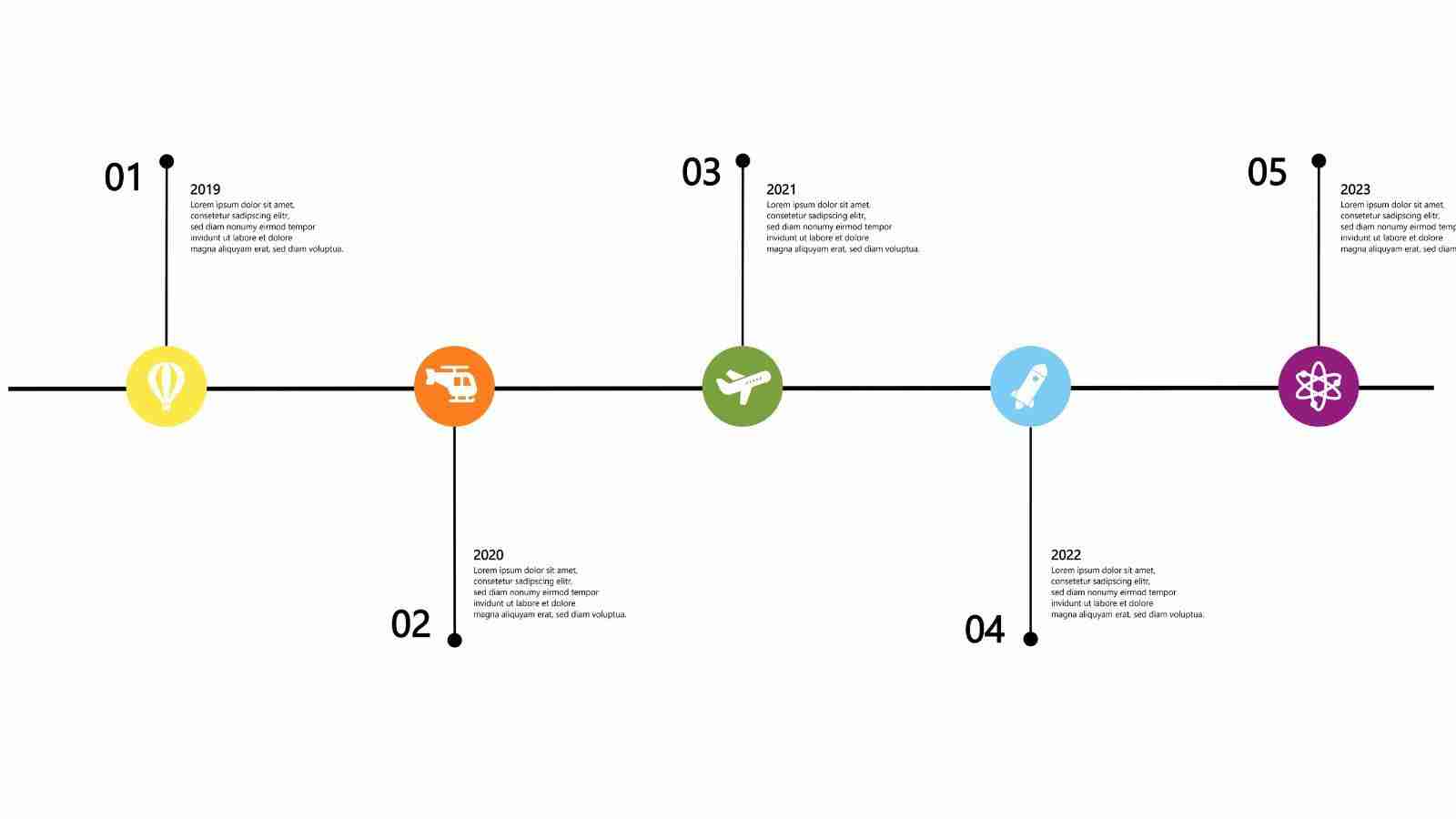
The Roadmap of Cereal Cultivation and Harvesting
The journey of cereal cultivation is a complex yet rewarding process, beginning with the careful selection of seeds and ending with the collection of bountiful harvests. Farmers start by assessing their soil and climate conditions to choose the most suitable cereal varieties, such as wheat, barley, or rice. After sowing the seeds, a series of agronomic practices come into play, including irrigation, fertilization, and pest management, ensuring optimal growth conditions. As the crops mature, farmers monitor their development, readying themselves for the crucial task ahead: the harvest.
Harvesting is where the culmination of effort is put to the test. Using modern machinery, such as combine harvesters, farmers efficiently collect the grains while minimizing losses. Once harvested, the grains undergo critical post-harvest processing, which includes drying, cleaning, and storage to maintain quality. The freshly processed cereal grains then journey to local mills or processing facilities where they are converted into various products like flour, breakfast cereals, and snacks, ready to be enjoyed in kitchens around the world.
| Cereal Type | Key Benefits |
|---|---|
| Wheat | High in proteins, versatile for various recipes |
| Rice | Gluten-free, staple for many cultures |
| Barley | Rich in fiber, enhances heart health |
Transformative Techniques in Grain Milling and Processing
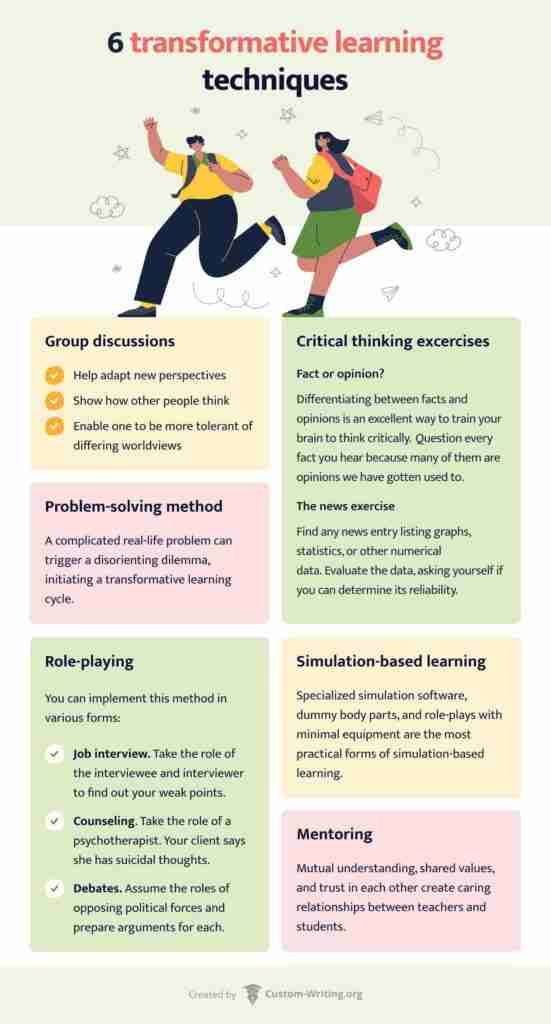
Advancements in milling technology have revolutionized the way grains are processed, ensuring higher efficiency and better quality end-products. One notable technique is vertical milling, which utilizes gravity to facilitate the grinding process, improving flour particle size and texture. Another significant technique is the use of stone mills, which leverages traditional methods to maintain the grains’ nutritional value while producing flour with a unique flavor profile. Coupled with the integration of advanced sensing and control systems, millers can now monitor moisture levels and particle size in real-time, allowing for better consistency and reducing waste.
Additionally, the emergence of micro-milling techniques has allowed small-scale processors to compete with larger operations, promoting local economies and sustainability. These methods often use innovative equipment that requires less energy and minimizes environmental impact. The industry is also witnessing the rise of whole grain processing systems, which not only preserve the integrity of the grain but also cater to health-conscious consumers looking for more nutritious options. As cereal processing continues to evolve, these transformative techniques play a crucial role in bridging the gap between traditional practices and modern demands, creating a dynamic landscape for grain milling.
Nutritional Enhancements: Fortification and Flavoring Strategies
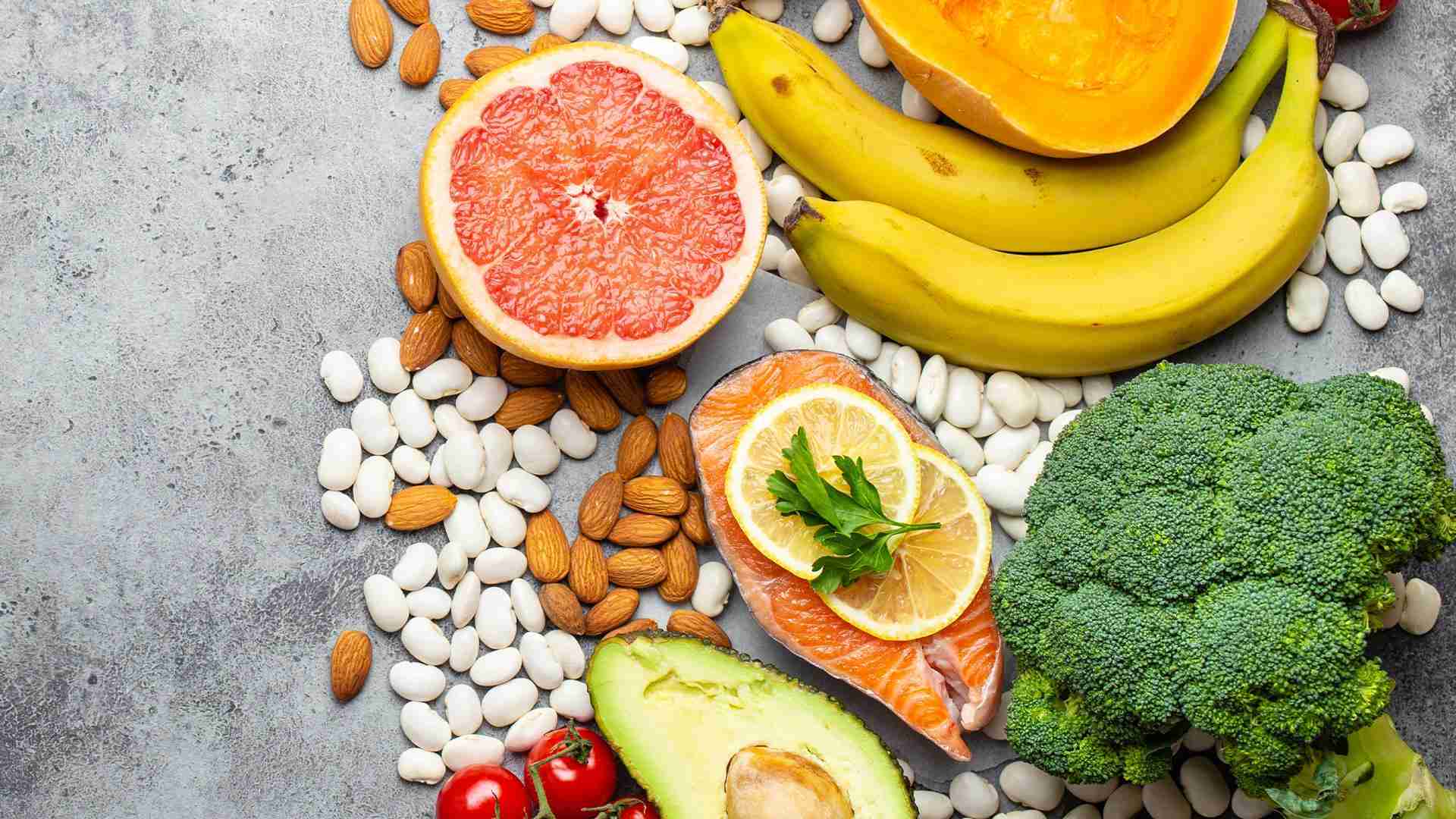
The modern cereal industry has increasingly prioritized improving the nutritional profile of their products through a variety of techniques that not only enhance health benefits but also appeal to consumer palates. One of the most prevalent methods is fortification, which involves adding essential vitamins and minerals to cereals that may be lacking in an average diet. This ensures that consumers can enjoy a tasty breakfast while receiving a necessary boost of nutrients. Common fortifying agents include:
- Vitamin D – essential for bone health
- Iron – crucial for red blood cell production
- Folic Acid – important for pregnant women
Alongside fortification, cereal manufacturers have adopted various flavoring strategies to make their products more appealing, especially to children. This often includes natural flavors and sweeteners that enhance taste without compromising nutrition. Ingredients like dried fruits, nuts, and spices not only add attractive flavors but also boost the overall health quotient of the cereal. Some innovative flavoring options are:
- Maple Syrup – a natural sweetener that adds depth
- Cinnamon – provides warmth and antimicrobial properties
- Chocolate – used in moderation, it’s a crowd favorite
| Flavoring Agent | Health Benefit |
|---|---|
| Dried Berries | Rich in antioxidants |
| Nuts | Good source of healthy fats |
| Honey | Natural energy booster |
Sustainability Practices in Cereal Production and Packaging
In the quest for eco-friendly cereal production, innovative practices are becoming the norm. Farmers are increasingly adopting regenerative agricultural techniques that prioritize soil health and biodiversity. These methods can include:
- Crop Rotation: Enhancing soil fertility by alternating cereal crops with legumes.
- No-Till Farming: Reducing soil erosion and improving water retention through minimal soil disturbance.
- Cover Crops: Planting crops that protect and enrich the soil during off-seasons.
As the grains make their way to processing facilities, sustainability extends into packaging solutions. More manufacturers are shifting towards using biodegradable and recyclable materials that minimize plastic waste. This includes:
- Recycled Paperboard: Sourced from post-consumer waste, reducing the demand for virgin materials.
- Plant-Based Plastics: Made from renewable resources, offering a more sustainable option than traditional petroleum-based plastics.
- Minimalist Packaging Designs: Reducing the overall material usage while ensuring product safety and freshness.
In Conclusion
As we draw the curtain on our exploration from field to bowl, it becomes clear that the journey of cereal processing is not just about grains but the intricate web of nature, science, and craftsmanship woven together to bring nourishment to our breakfast tables. Each step, from the golden harvest of crops swaying in the breeze to the meticulous milling and packaging, reflects a harmonious blend of tradition and innovation.
Whether it’s the farmer who seeds the earth with hope, the miller who transforms raw ingredients with skill, or the brands that creatively bring these products into our homes, every participant plays a vital role in this sustenance symphony. So, next time you pour that bowl of cereal, take a moment to appreciate the rich tapestry of efforts behind it—think of the journey each flake has undertaken to reach you. In the heart of that simple breakfast lies a story of dedication, nature’s bounty, and the relentless pursuit of quality that keeps us coming back for more.



