
Unveiling Cereal Processing: From Grain to Breakfast Bowl
In the early hours of a bustling morning, millions of individuals reach for a familiar staple—cereal. This unassuming blend of grains has become a cornerstone of breakfast tables across the globe, serving as the launchpad for our busy days. But behind the crunch and colorful packaging lies a fascinating journey, one that transforms humble grains into the crisp, convenient offerings we pour into our bowls. From the sun-kissed fields where wheat, corn, and oats flourish, to the intricate processes that ensure quality and flavor, the transformation of raw grain into breakfast goodness is a remarkable tale of innovation, tradition, and craftsmanship. This article invites you to explore the unseen world of cereal processing, unveiling the steps involved in crafting your favorite morning meal and shedding light on the science and artistry behind it all. Join us as we take a closer look at the journey from grain to breakfast bowl, discovering the secrets hidden in every bite.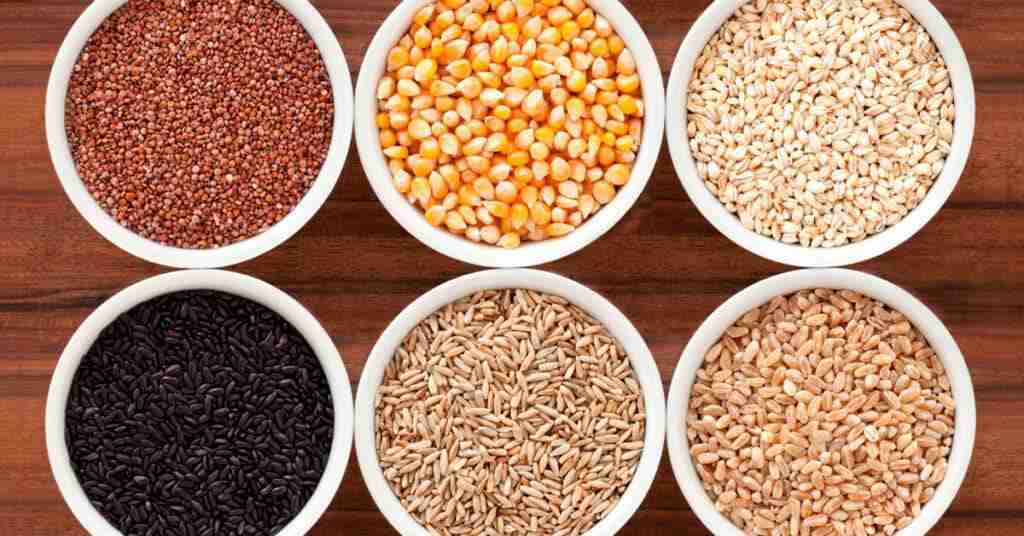
Understanding the Journey of Whole Grains in Cereal Production
The journey of whole grains from the field to our breakfast bowls is both intricate and fascinating. It all begins with the harvesting of grains such as wheat, oats, and barley, which are carefully collected to preserve their nutritional integrity. Once harvested, the grains undergo several essential processes, including cleaning, hulling, and milling, to transform them into the familiar components we find in cereals. These steps are critical; cleaning removes impurities while milling breaks down the grains into finer pieces, making them easier to cook and digest. The emphasis lies heavily on maintaining the whole grain structure to ensure that the resulting product retains as many health benefits as possible, providing a rich source of fiber, protein, and essential vitamins.
As the grains progress through processing, another important phase is enrichment and fortification. This involves enhancing the nutritional profile of the grains by adding back nutrients that may be lost during milling, such as iron and B vitamins. In many cereal productions, manufacturers employ techniques that balance taste with nutritional value, resulting in products that appeal to a wide audience, from children to health-conscious adults. The final product often reflects the culmination of several factors including the source of the grain, processing methods, and intended market. To illustrate these points, the following table summarizes the key benefits and characteristics of commonly used whole grains in cereal production:
| Whole Grain | Benefits | Common Uses in Cereals |
|---|---|---|
| Oats | Heart-healthy, high in fiber | Granola, instant oatmeal |
| Wheat | Protein-rich, promotes satiety | Breakfast cereals, wheat flakes |
| Barley | Rich in antioxidants, aids digestion | Twice-cooked cereals, granola |
| Brown Rice | Low GI, gluten-free option | Rice cereals, snacks |

Exploring the Key Processing Techniques that Shape Flavor and Texture
Processing techniques play a crucial role in elevating cereals from their raw state to the crunchy delights found in our breakfast bowls. Milling, for example, is one of the first steps where grains are ground into flour, affecting both the texture and versatility of the product. This process not only alters the granule size but also impacts the total protein and fiber content, making it essential for defining flavor profiles. In addition, roasting adds complexity, enhancing natural sweetness and creating a rich, nutty aroma that makes whole grain cereals irresistible. Each of these techniques transforms the humble cereal grain, unlocking its potential through the marriage of science and culinary art.
Beyond milling and roasting, flaking is an important technique that involves steam cooking grains before pressing them into thin flakes. This method can amplify crispiness, making every bite a pleasurable crunch. Extrusion, on the other hand, is a more high-tech approach where grains are cooked under high pressure and then forced through die openings, resulting in unique shapes and textures that appeal to a younger audience. Together, these methods create a dynamic spectrum of breakfast options, where cereals can be tailored to suit diverse palates. The interplay of these processing techniques not only shapes the final product but also influences consumer preferences, driving innovation in the cereal industry.
Nutritional Insights: Balancing Health with Taste in Breakfast Choices
Breakfast cereals often evoke the childhood nostalgia of colorful boxes and playful mascots. However, beneath this fun facade lies a complex matrix of nutritional challenges and opportunities. To achieve a balance between health and taste, it’s essential to explore the composition of breakfast cereals and their impact on our diets. Many cereals prioritize added sugars and artificial flavors, while those with whole grains and natural ingredients provide a more wholesome option. When selecting a cereal, consider looking for choices that are high in fiber and low in added sugars—this can help keep you satiated and energized throughout the morning.
To make the right choice, familiarize yourself with the nutritional labels. Many brands are making strides towards transparency, offering comprehensive information on their packaging. Here’s a quick guide to help you differentiate between nutrient-rich cereals and those that might not serve your health goals:
| Cereal Type | Whole Grain Content | Added Sugar | Fiber Content |
|---|---|---|---|
| Whole Grain Oats | High | Low | 5g |
| Honey Nut Cheerios | Medium | Moderate | 3g |
| Frosted Flakes | Low | High | 1g |
Pairing your cereal with nutrient-dense toppings can further enhance the health profile of your breakfast. Consider adding fresh fruits, which not only boost flavor but also enrich your meal with vitamins and antioxidants. Nuts and seeds can provide healthy fats and additional protein, promoting fullness and sustained energy. By consciously curating your breakfast ingredients, you can create a delicious morning ritual that aligns with your health aspirations.

Sustainable Practices: Innovations in Cereal Manufacturing for a Greener Future
The cereal manufacturing industry has undergone a remarkable transformation, prioritizing sustainability alongside efficiency. Innovations such as regenerative agriculture practices are making headlines, as farmers are encouraged to adopt methods that restore soil health and enhance biodiversity. These practices not only reduce carbon footprints but also improve crop resilience, leading to higher yields without depleting natural resources. Additionally, companies are increasingly investing in renewable energy sources for their production facilities, harnessing solar and wind power to minimize emissions. In this eco-forward landscape, water conservation techniques have become vital, with new technologies enabling closed-loop systems that recycle water used in processing.
On the technological front, the integration of biodegradable packaging marks a crucial step toward reducing plastic waste. Innovations in packaging materials from plant-based sources not only meet consumer demand for sustainability but also align with corporate responsibility goals. Manufacturers are also exploring the use of smart farming technologies, such as precision agronomy and drones, to monitor crop health and optimize resource use, ensuring that every grain is cultivated sustainably. Furthermore, collaborations with local communities and stakeholders are fostering transparent supply chains that benefit both producers and consumers. This holistic approach not only shields the environment but also creates a stronger connection between the harvest and the breakfast bowl.
The Way Forward
As we journeyed through the intricate world of cereal processing, we peeled back the layers of an essential morning staple that many of us might take for granted. From the golden fields where grains are harvested to the advanced facilities where they are transformed, we’ve uncovered the science and artistry behind each flake, puff, and crunch. These seemingly simple morsels not only provide sustenance but also reflect a blend of tradition, innovation, and nutrition.
Understanding the journey of your breakfast bowl—from grain to cereal—reveals not just the process, but also a connection to the diverse agricultural practices and technological advancements shaping our food landscape. Each bite carries with it a story, a combination of heritage and modern achievement, ultimately crafted to serve our daily routines.
As we close this exploration, we invite you to reflect on your next bowl of cereal with a newfound appreciation. It’s more than just a quick meal; it’s a result of a meticulous journey through nature and industry. So the next time you pour those crunchy little bits into a bowl, remember the road they traveled to nourish you, and let that appreciation make your breakfast just a little bit sweeter.



