
The Art and Science of Maize Milling: A Grain’s Journey
From the lush fields where it sways under the sun to the bustling kitchens where it becomes the backbone of countless recipes, maize, or corn, is a staple that has nourished civilizations for centuries. But what happens once these golden kernels are harvested? The journey of maize to its final form is not just a process; it is an intricate dance of tradition and technology—a ballet of artistry and precision that defines the craft of maize milling. In this article, we will explore the dual nature of this age-old practice, delving into the rich history and cultural significance of maize, while also unraveling the scientific innovations that enhance milling efficiency and product quality. Join us as we trace the journey of maize, from the field to the mill, and into your pantry, illuminating the delicate balance between the time-honored techniques that celebrate local heritage and the cutting-edge advancements that pave the way for a sustainable future.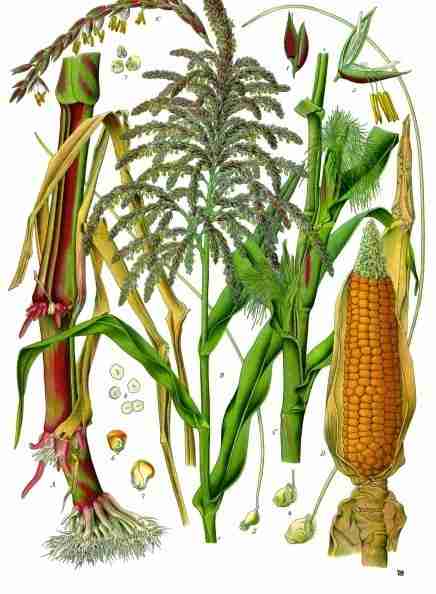
Understanding Maize: A Comprehensive Overview of Varieties and Nutritional Benefits
Maize, often referred to as corn in many regions, is a staple crop that boasts an impressive array of varieties, each tailored to specific growing conditions and culinary uses. Prominent varieties include dent corn, mainly used for animal feed and industrial products; flint corn, known for its hard kernels and resistance to spoilage, ideal for popcorn and traditional dishes; and sweet corn, cherished for its succulent kernels in various cuisines. Understanding these varieties not only helps in selecting the right type for agricultural or gastronomical purposes but also highlights the adaptability of maize in different environments around the world.
The nutritional benefits of maize are equally noteworthy, providing essential vitamins and minerals that contribute to a balanced diet. In particular, maize is rich in carbohydrates, serving as a readily available energy source, while also containing fiber, which supports digestive health. Additionally, it is a good source of B vitamins, including folate, and contains antioxidants that help combat oxidative stress. Below is a comparative overview of the key nutritional components found in maize, showcasing why it remains a dietary staple in many cultures:
| Nutritional Component | Content per 100g |
|---|---|
| Carbohydrates | 73.0 g |
| Dietary Fiber | 7.3 g |
| Protein | 3.2 g |
| Fat | 1.2 g |
| Vitamin B6 | 0.1 mg |
| Folate | 19 µg |
Through its numerous varieties and significant nutritional contributions, maize serves as a cornerstone of food security and culinary diversity across the globe. The process of milling this versatile grain not only preserves its health benefits but also opens pathways to innovative culinary applications, ensuring that maize continues to play a crucial role in our diets long into the future.
Milling Techniques Unveiled: From Traditional Methods to Modern Innovations
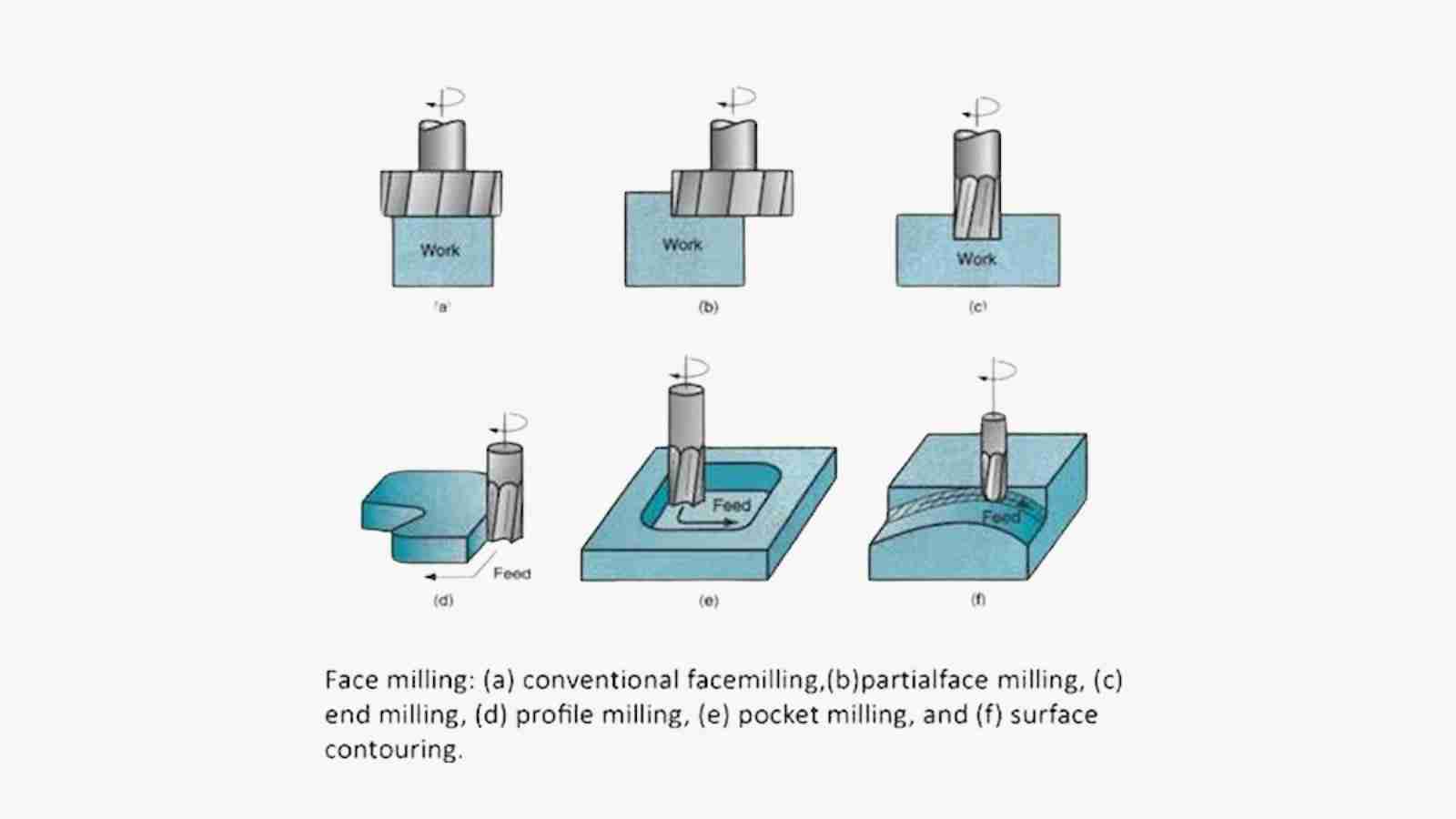
The journey of maize from cob to flour is an intricate dance of both age-old practices and cutting-edge technology. Traditional milling techniques, such as the use of mortar and pestle or the stone mill, have been pivotal in shaping the culinary landscape. These methods allow for a gentle grinding process that preserves the grain’s natural flavors and nutritional value. Important characteristics of traditional milling include:
- Artisanal Touch: Handcrafted methods impart a unique texture and taste.
- Whole Grain Benefits: Keeps the bran and germ intact, rich in nutrients.
- Community Connection: Often linked to cultural heritage and local traditions.
In contrast, modern innovations have revolutionized the milling industry, making it possible to achieve higher efficiency and consistency. Advanced machinery, such as roller mills and pneumatic systems, allows for precise control over grinding rates and particle size distribution. These innovations come with their own benefits:
| Modern Benefits | Description |
|---|---|
| Speed | Rapid processing significantly reduces production time. |
| Uniformity | Ensures consistent flour quality and texture across batches. |
| Scalability | Easily adaptable for small or large-scale production. |

Quality Control in Maize Milling: Best Practices for Optimal Grain Processing
Quality control in maize milling is an intricate blend of science and artistry, ensuring that the final product meets the highest standards of safety and excellence. One of the best practices in this process is the implementation of a comprehensive testing regimen, which includes regular checks for moisture content, foreign materials, and grain integrity. This multi-tiered approach guarantees that each batch of maize is scrutinized thoroughly, allowing millers to catch any potential defects before processing. The rigorous analysis not only enhances flavor but also preserves nutritional value and extends shelf life through careful monitoring of foreign matter percentages, bulk density, and granulation size.
Furthermore, it is essential to maintain a clean and controlled milling environment, minimizing contamination and promoting quality preservation. Employing strategies such as regular equipment maintenance and staff training can significantly impact output quality. Millers should also adopt a real-time monitoring system to track production metrics, enabling immediate corrective actions if deviations occur. Some fundamental aspects to focus on include:
- Incorporating pest control measures to safeguard grain.
- Utilizing hygienic practices in handling and processing stages.
- Engaging in continuous quality training for employees.

Sustainability in the Milling Industry: Strategies for Eco-Friendly Operations and Resource Management
In the quest for sustainable operations, the milling industry is embracing innovative strategies that not only enhance productivity but also reduce environmental impact. One prominent approach is the integration of renewable energy sources into the milling process. By harnessing the power of solar and wind energy, mills can significantly lower their carbon footprint while ensuring a steady energy supply. Additionally, water conservation measures are being implemented, such as:
- Recycling wastewater for cleaning and cooling processes
- Utilizing efficient irrigation systems for agricultural inputs
- Implementing rainwater harvesting techniques
Resource management plays a crucial role in furthering sustainability goals. Through waste reduction practices, mills can transform by-products into valuable secondary products. For example, maize bran and germ can be processed into animal feed or utilized in various food products. Mills are also adopting sustainable sourcing policies to ensure that their raw materials are obtained from responsibly managed farms, which include:
- Supporting local farmers
- Encouraging organic growing practices
- Implementing traceability systems for supply chain transparency
Through these combined efforts, the milling industry not only contributes to eco-friendly operations but also supports the wider community and ecosystem.
Wrapping Up
As we come to the end of this exploration into “The Art and Science of Maize Milling: A Grain’s Journey,” we reflect on the remarkable transformation that takes place from field to flour. Each kernel of maize carries within it a story of cultural significance, economic vitality, and culinary potential. The intricate processes that convert this simple grain into various forms—from cornmeal to masa—are a harmonious blend of time-honored tradition and cutting-edge technology.
The journey of maize is not just about the physical transformation; it embodies the dedication of countless individuals who work tirelessly in the fields and mills, preserving heritage while embracing innovation. As we’ve seen, maize milling plays a pivotal role in feeding communities and sustaining economies, showcasing the delicate balance between art and science in every batch produced.
As you reflect on this grain’s journey, we encourage you to appreciate not just the meal on your plate but the myriad of hands and stories that brought it there. May your newfound understanding deepen your appreciation for maize and the rich tapestry of life it supports, reminding us that every bite is part of a larger narrative of connection and sustenance.



