
In a world increasingly defined by the speed of progress and the demand for sustainable practices, the agricultural sector stands at a pivotal crossroads. Among the crops that feed billions, rice occupies a place of both cultural significance and nutritional necessity. Yet, traditional milling processes often remain steeped in inefficiency, leaving farmers and consumers alike grappling with challenges of waste and accessibility. Enter the small rice mill—a beacon of innovation that promises to revolutionize not only the milling process but also the livelihoods of those who rely on this staple grain. By unlocking the potential of these compact, environmentally-friendly machines, we can envision a future where rice milling becomes more efficient, equitable, and aligned with the pressing needs of modern society. In this article, we delve into the transformative role of small rice mills and their capacity to reshape the landscape of rice production, addressing economic disparities while promoting sustainable agricultural practices. Join us as we explore the promise of these unassuming yet impactful machines in the journey toward a more efficient and resilient food system.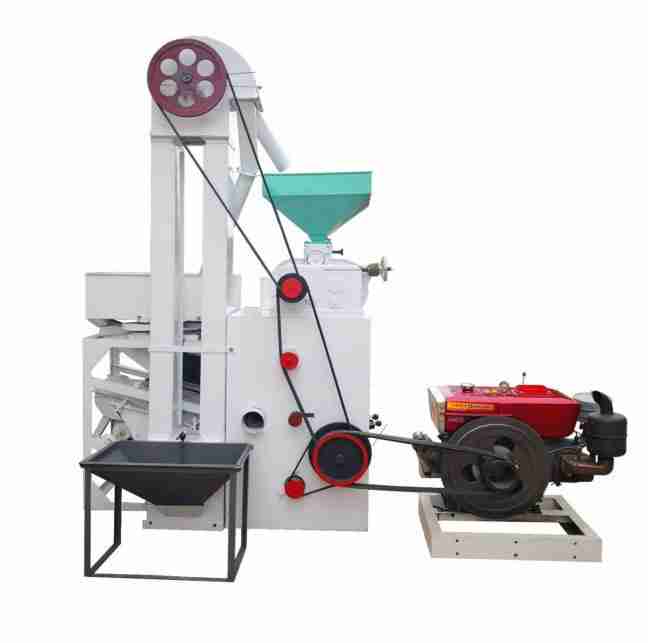
Exploring the Benefits of Small Rice Mills for Local Economies
The rise of small rice mills has become a crucial factor in fostering local economies, transforming the landscape of agricultural productivity. These compact processing units play a pivotal role in increasing the value of locally grown rice, leading to various advantages for farmers and communities alike. By enhancing efficiency and reducing post-harvest losses, small rice mills empower farmers to maximize their yields and earn better incomes. As these mills often operate using locally sourced materials and labor, they contribute to job creation while stimulating the local economy.
Furthermore, small rice mills facilitate better access to freshly milled rice, promoting food security in the region. By decentralizing rice processing, they enable farmers to process their harvest quickly and conveniently, often yielding superior quality rice compared to large-scale operations. The benefits extend beyond the immediate economic gains, as small rice mills contribute to sustainable practices by minimizing the carbon footprint associated with transporting rice over long distances. Key benefits include:
- Enhanced local employment: Increasing job opportunities in rural areas.
- Support for smallholder farmers: Empowering local producers economically.
- Improved food quality: Offering fresher, higher quality rice products.
- Community development: Reinforcing local infrastructure and services.

Innovative Technologies Driving Efficiency in Rice Milling
Advancements in technology are revolutionizing the rice milling process, making it more efficient and cost-effective. Automated machinery has significantly reduced the physical labor involved, allowing small-scale millers to increase their output without compromising quality. Innovations such as smart sensors can monitor moisture levels and grain quality in real-time, optimizing performance and minimizing waste. Furthermore, the integration of cloud-based software enables mill operators to track production metrics and manage inventory seamlessly from anywhere, thus enhancing decision-making and operational planning.
In addition to automation, the introduction of energy-efficient equipment has played a pivotal role in reducing operational costs. For example, modular milling units can be tailored to meet specific processing requirements while consuming less energy compared to traditional methods. The deployment of biomass energy systems provides a sustainable energy source, reducing reliance on fossil fuels and lowering carbon footprints. As rice millers adopt these technologies, they not only improve their profitability but also contribute to a greener environment.
| Technology | Benefit |
|---|---|
| Automated Machinery | Reduces labor costs |
| Smart Sensors | Optimizes quality control |
| Cloud-Based Software | Eases inventory management |
| Energy-Efficient Equipment | Lowers energy costs |
| Biomass Energy Systems | Reduces carbon footprint |

Sustainable Practices in Small Scale Rice Production
Implementing eco-friendly methods can greatly enhance the sustainability of small scale rice production. By embracing integrated pest management techniques, farmers can reduce their reliance on chemical pesticides, thereby protecting local biodiversity and minimizing soil degradation. Furthermore, utilizing crop rotation methods helps in maintaining soil fertility and prevents the buildup of pests and diseases. Farmers can also enhance sustainability by incorporating cover crops, which help retain soil moisture, reduce erosion, and improve nutrients in the soil.
Another innovative approach involves water management practices that focus on efficient use of this precious resource. Techniques such as alternate wetting and drying (AWD) not only minimize water usage but also encourage healthier root development. Small millers contribute to sustainable practices by adopting clean energy technologies powered by solar or wind solutions in rice milling operations. This significantly reduces greenhouse gas emissions associated with traditional milling processes. The combination of these strategies fosters a resilient agricultural system that can withstand climatic fluctuations, ultimately supporting local economies and food security.
Strategies to Enhance Market Access for Small Rice Millers
To effectively tap into existing markets, small rice millers need to embrace innovative initiatives that cater to consumer preferences while bolstering their reach. Collaborative partnerships with local farmers can establish a transparent supply chain, ensuring a consistent quality of paddy that enhances brand reputation. Furthermore, leveraging digital platforms for direct-to-consumer sales can help in reducing intermediary costs, empowering millers to price their products competitively. Engaging in local fairs and food expos not only showcases the product quality but also builds valuable relationships with potential buyers.
Investment in technology and training is essential for small rice millers to compete against larger entities. Implementing efficient milling practices with modern machinery can not only enhance productivity but also improve the quality of the rice produced. Training programs focusing on marketing strategies, quality control, and customer engagement can equip millers with the necessary skills to position their products more effectively. Small millers should also consider alliances with cooperatives to increase their bargaining power and access larger markets. Here’s a summary of potential strategies:
| Strategy | Description |
|---|---|
| Collaborative Partnerships | Partner with local farmers for a reliable supply of quality paddy. |
| Digital Sales Platforms | Use online marketplaces to reach consumers directly. |
| Technology Investment | Upgrade milling equipment to improve efficiency and quality. |
| Training Programs | Focus on marketing, quality control, and customer engagement. |
| Cooperative Alliances | Join forces with other millers for enhanced market access. |
The Conclusion
As we conclude our exploration of small rice mills, it’s clear that these unassuming machines hold remarkable potential for transforming the landscape of rice production. By marrying traditional agricultural practices with modern efficiency, small rice mills not only promise enhanced productivity but also empower local farmers and communities. The journey of unlocking efficiency through these rice mills is just beginning, paving the way for more sustainable practices and economic growth in rural areas. As stakeholders in the agricultural sector consider the implications of these innovations, it’s essential that we embrace the opportunities they present. After all, in the quest for a more sustainable future, every grain counts.



