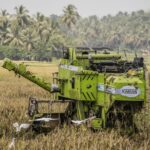
In the heart of agricultural development, rice stands as a cornerstone of sustenance for billions of people across the globe. As the demand for this staple crop continues to rise in tandem with a growing population, the world of rice production has been transformed by a wave of innovative machinery designed to enhance efficiency, sustainability, and yield. From sophisticated planting systems to cutting-edge milling technologies, the impact of these advancements extends beyond mere productivity; they are redefining the entire lifecycle of rice cultivation. In this article, we embark on a journey through the realm of rice machinery, exploring the latest innovations that are reshaping agricultural practices, the challenges they address, and the profound implications for farmers and consumers alike. Join us as we unveil the dynamic intersection of tradition and technology in the quest for a more resilient future.
Exploring Cutting-Edge Technologies in Rice Processing
In recent years, the landscape of rice processing has undergone a dramatic transformation, driven by advancements in technology that enhance efficiency and preserve quality. State-of-the-art machinery integrates artificial intelligence and automation to streamline operations, significantly reducing both time and labor costs. Key innovations include:
- Automated Sorting Systems: Utilizing machine vision, these systems identify and separate imperfect grains, ensuring only the highest quality rice reaches consumers.
- Smart Drying Solutions: These systems adjust humidity and temperature levels automatically, optimizing drying times and preserving the grains’ nutrient content.
- Eco-Friendly Milling Techniques: New milling technologies minimize waste and energy consumption, addressing environmental concerns while maintaining yield.
The impact of these cutting-edge technologies extends beyond mere operational efficiency; they are also cultivating a sustainable future for rice farming. By leveraging data analytics and IoT (Internet of Things) capabilities, farmers can monitor crop health and optimize agricultural practices in real time. A snapshot of this evolution can be observed in the following table, illustrating the differences between traditional and modern techniques:
| Aspect | Traditional Processing | Modern Processing |
|---|---|---|
| Labor Intensity | High | Low |
| Processing Time | Long | Short |
| Sustainability | Limited | Improved |
The embrace of such technologies not only drives the industry’s growth but also sets a powerful example for other agricultural sectors, showcasing how innovation can lead to enhanced productivity and ecological responsibility.

Enhancing Efficiency Through Automation and Smart Machinery
In the dynamic landscape of rice production, the integration of automation and smart machinery is revolutionizing traditional practices. These advanced technologies minimize manual labor, increase precision, and significantly enhance productivity. Robotic systems equipped with AI capabilities can monitor growth conditions, identify diseases early, and optimize resource distribution. With sequential planting and harvesting carried out by drones and automated tractors, farmers are reclaiming hours in their day, allowing them to focus on strategic management rather than mundane tasks.
Moreover, the introduction of IoT devices in rice fields offers real-time data analysis, which plays a crucial role in decision-making processes. Sensors gather information on soil moisture, nutrient levels, and weather conditions, enabling farmers to make informed choices about irrigation and fertilization. With a more intelligent approach to farming, stakeholders can also expect a noticeable reduction in waste and an increase in sustainable practices. This shift not only supports higher yields but also fosters environmental stewardship, ushering in a new era of agricultural efficiency.

Sustainable Practices in Rice Production Equipment
The evolution of rice production equipment has taken significant strides towards sustainability, significantly impacting both the agricultural landscape and environmental health. Modern machinery is now designed with energy efficiency as a core feature. This includes the integration of automated systems that optimize energy consumption, thereby reducing carbon footprints and operational costs. Furthermore, advancements in precision agriculture technology allow for targeted application of water, fertilizers, and pesticides, refining resource usage and minimizing waste. Key innovations in equipment such as solar-powered harvesters and biodegradable machinery components exemplify a harmonious blend of technological progress and environmental stewardship.
Another emerging trend in sustainable rice production is the application of smart sensors and data analytics to monitor soil health and crop performance in real-time. These technologies enable farmers to make informed decisions that enhance productivity while safeguarding natural ecosystems. The adoption of multi-functional equipment encourages versatility, reducing the need for multiple machines and thereby lowering overall emissions and maintenance requirements. Below is a table summarizing various sustainable practices linked to rice production machinery:
| Practice | Description |
|---|---|
| Solar-Powered Machinery | Utilizes renewable energy to operate, reducing reliance on fossil fuels. |
| Precision Farming Tools | Employs technology for exact resource application, minimizing waste. |
| Biodegradable Components | Incorporates materials that decompose naturally, reducing long-term waste impact. |
| Data-Driven Agri-tech | Uses analytics to enhance crop yields and monitor environmental health. |
Navigating Market Trends and Future Directions for Innovation
The landscape of rice machinery is continuously evolving, shaped by advancements in technology and shifting market demands. As farmers around the world face challenges such as climate change and increased competition, the machinery that supports rice production must adapt and innovate. Enter smart farming solutions, which leverage data analytics, IoT devices, and automation to optimize operations. These innovations are not merely trends; they represent a fundamental shift in how rice farming can enhance efficiency and productivity. Key features of these innovations include:
- Real-time monitoring: Sensors that track soil conditions and weather patterns help farmers make informed decisions.
- Robotics: Autonomous machinery is minimizing labor costs and increasing precision in planting, harvesting, and processing.
- Data integration: Harvest data is analyzed for performance improvements, creating a feedback loop that helps drive future deployments.
Looking ahead, industry leaders are also focusing on sustainable practices that align with global environmental standards. As the rice machinery market expands, innovations are being tailored to reduce energy consumption and minimize waste. This shift is not only beneficial for the environment but is also becoming a decisive factor in market competitiveness. The current trends suggest that future advancements in rice machinery will emphasize:
| Trend | Impact |
|---|---|
| Sustainability Initiatives | Reduced carbon footprint and improved resource management. |
| Smart Technology Integration | Enhanced data-driven production efficiency. |
| Consumer Demand Shift | Increased preference for sustainably grown rice products. |
Closing Remarks
As we bring our exploration of rice machinery to a close, it becomes evident that the innovations in this field are not just about mechanization; they signify a pivotal shift in agricultural practices that can enhance productivity and sustainability. From cutting-edge harvesters that streamline the gathering process to sophisticated milling technologies that preserve the grain’s quality, these advancements are rewriting the narrative of rice farming. The impact goes beyond mere efficiency; it touches the lives of farmers, consumers, and economies alike, promising a future where the cultivation of one of the world’s most essential crops is not only more productive but also more resilient.
As we look ahead, the journey of rice machinery will undoubtedly continue to evolve, driven by a blend of traditional wisdom and modern ingenuity. The challenge now lies in leveraging these innovations while preserving the cultural heritage that rice encompasses. Thus, as we bid farewell to this in-depth look at rice machinery, let us remain curious and committed to understanding how these tools can forge a more sustainable future for agriculture and the communities that depend on it. After all, the story of rice is not just about grain; it’s about growth—both in the fields and within our global society.