
From Kernel to Commercial: Exploring the Corn Processing Journey
In the heart of the American Midwest, where golden fields stretch as far as the eye can see, a humble seed undergoes a remarkable transformation. Corn, often regarded merely as a staple crop, is at the epicenter of a vast and intricate processing journey that touches countless aspects of our daily lives. From the moment it breaks through the soil, each ear of corn embarks on a path that navigates the complexities of agriculture, industry, and commerce. This article invites you to delve into the fascinating world of corn processing—unpacking its stages, revealing the science and artistry behind the transformation, and highlighting the myriad products that emerge from this seemingly simple grain. Join us as we explore how a mere kernel evolves into a cornerstone of our economy and culture, fueling everything from food to fuel, and paving the way for innovations yet to come.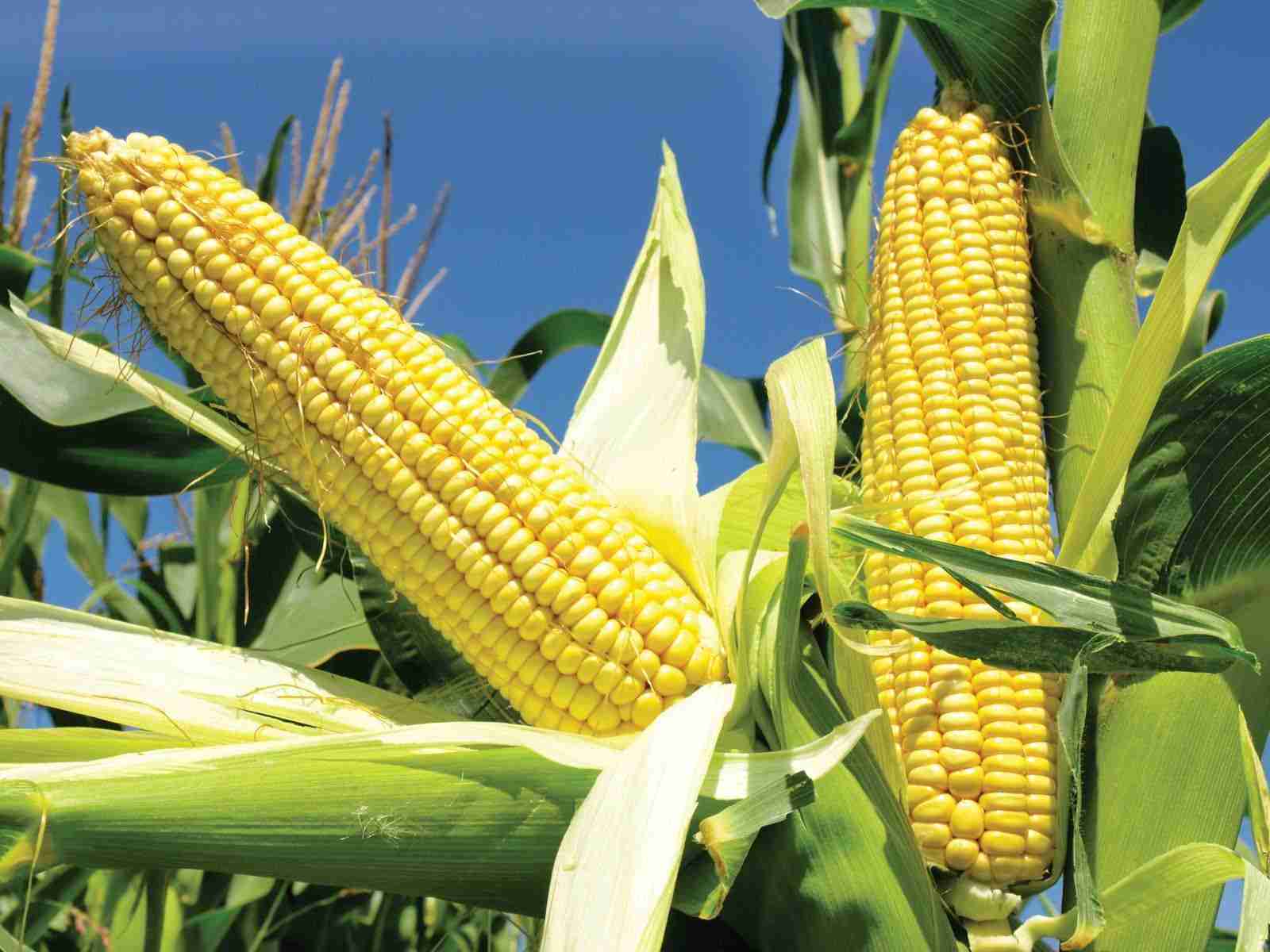
Understanding the Lifecycle of Corn: From Field to Factory
The journey of corn encompasses several stages, each critical for transforming a simple seed into myriad products that fill our markets and pantries. It all begins in the heart of the fields, where farmers plant hybrid seeds designed for optimum yield and disease resistance. As the corn grows, it undergoes vital processes such as pollination and fertilization, culminating in the formation of robust ears. Following a careful harvest season, the ears are collected, often using advanced equipment that minimizes damage to the kernels. Key elements include:
- Soil Health: Ensuring nutrient-rich soil for better crop productivity.
- Irrigation: Utilizing water effectively to sustain growth.
- Pest Management: Implementing strategies to protect crops from harmful insects.
Once harvested, the corn embarks on its next leg of the journey to commercial processing. The first step is to separate the kernels from the cobs, an important process done both manually and mechanically to retain quality. These kernels are then dried to remove excess moisture, ensuring longevity and reducing spoilage. At processing facilities, the corn is further refined and transformed into various forms such as cornmeal, corn syrup, and corn oil. Below is a glimpse into the scale of corn utilization in different products:
| Product | Usage (Percentage of Total Corn) |
|---|---|
| Corn Syrup | 40% |
| Animal Feed | 30% |
| Food Products | 15% |
| Industrial Products | 15% |

Innovations in Corn Processing: Technologies Enhancing Efficiency
Advancements in corn processing technologies are reshaping the landscape of agricultural production, turning raw kernels into valuable commodities with remarkable efficiency. One significant innovation is the use of enzymatic treatments, which enhance the breakdown of starches into sugars, facilitating faster fermentation during ethanol production. This method not only speeds up processing times but also maximizes yield, making it a favorable choice for biofuel manufacturers. Additionally, microbial fermentation techniques are being harnessed to produce high-value co-products like organic acids and bioplastics, contributing to a circular economy by ensuring that waste is minimized and resources are efficiently utilized.
Another game-changer in this realm is sensor technology, which enables real-time monitoring of grain quality and moisture content throughout the processing journey. This data-driven approach allows for more precise adjustments to be made during milling and drying, ultimately enhancing the quality of the final products. Furthermore, the incorporation of automated systems for sorting and handling corn advances operational efficiency by reducing labor costs and minimizing human error. These innovations are not only redefining processing methods but also paving the way for a more sustainable and economically viable corn industry.

Market Trends and Consumer Demands Shaping Corn Products
The landscape of corn products is rapidly evolving, driven by shifting consumer preferences and innovative agricultural practices. Increasingly health-conscious consumers are seeking whole-grain alternatives, prompting a surge in demand for products such as whole cornmeal and corn flour, designed to cater to gluten-free diets. Additionally, the popularity of plant-based diets has instigated a rise in corn-derived protein supplements and snacks, highlighting the versatility of corn beyond traditional applications like popcorn and tortillas.
Moreover, sustainability remains at the forefront of consumer consciousness. As more people prioritize eco-friendly choices, brands are responding by adopting sustainable sourcing and processing methods. This has led to a focus on products that emphasize regional sourcing, non-GMO certification, and organic options. A noticeable trend is the incorporation of technology in corn processing to enhance transparency and reduce waste, further resonating with environmentally aware consumers. The adaptive nature of corn processing continues to shape its place in the market, melding tradition with modern demands.
| Trend | Description |
|---|---|
| Health-Conscious Eating | Growth in demand for whole-grain corn products. |
| Plant-Based Proteins | Rise in corn-derived protein supplements and snacks. |
| Sustainability | Focus on eco-friendly and non-GMO options. |
| Tech Integration | Adoption of technology for transparency and waste reduction. |

Sustainable Practices in Corn Processing: A Path Forward for Industry
In the quest for sustainability, the corn processing industry is swiftly embracing eco-friendly methodologies that not only enhance production efficiency but also reduce environmental footprints. By integrating renewable energy sources such as solar and wind power into their operations, processors are minimizing their reliance on fossil fuels. Additionally, methods like closed-loop water systems conserve water and prevent wastewater contamination, creating a circular economy within the production line. These strategies not only support the planet but also foster long-term economic viability for producers.
Moreover, the implementation of sustainable agricultural practices plays a crucial role in the journey of corn processing. Techniques such as crop rotation, integrated pest management, and precision farming are being adopted to increase yield while decreasing chemical inputs. These practices not only improve soil health but also enhance biodiversity, ensuring that corn cultivation remains viable for future generations. By focusing on sustainable sourcing and processing practices, the industry is paving the way towards a more responsible and resilient food system, benefiting both producers and consumers alike.
| Sustainable Practices | Benefits |
|---|---|
| Use of Renewable Energy | Reduces carbon footprint |
| Closed-loop Water Systems | Enhances water conservation |
| Crop Rotation | Improves soil health |
| Integrated Pest Management | Decreases chemical use |
| Precision Farming | Increases yield efficiency |
To Wrap It Up
As we draw the curtain on our exploration of the corn processing journey, from the humble kernel to its various applications in the commercial landscape, we are reminded of the intricate web of innovation, tradition, and sustainability that shapes this vital industry. Each step in this journey encapsulates not only the remarkable transformations of a single crop but also the collective effort of farmers, processors, and enterprises working tirelessly to meet the demands of a dynamic marketplace.
From the fields where corn is nurtured to the factories where it is transformed into countless products, this journey reflects a profound connection between agriculture and commerce. It highlights the versatility of corn as a resource, fueling industries ranging from food production to biofuels and beyond. As we look toward the future, the ongoing advancements in processing technology and sustainable practices present a promising horizon for both producers and consumers alike.
In appreciating the distance traveled from kernel to commercial product, we gain a deeper understanding of the importance of corn in our daily lives and the global economy. So, the next time you encounter corn in its many forms, whether on your plate or in other products, you’ll carry with you the story of its journey—an emblem of human ingenuity and the cyclical relationship we share with the land.



