
Rice has been a staple food for centuries, nourishing billions of people worldwide. But behind every grain of rice lies a fascinating process that transforms raw paddy fields into the perfectly polished kernels we see on our plates. Welcome to the enchanting world of rice milling – where science, tradition, and artistry come together to create one of the most important foods in the world. In this article, we will delve into the intricate process of rice milling and discover the secrets behind mastering this ancient craft.
Mastering the Traditional Techniques of Rice Milling
Rice milling is a time-honored tradition that dates back centuries, with each step of the process requiring precision and skill. From cleaning and husking to whitening and polishing, requires a deep understanding of the grain and a delicate touch. To produce the highest quality rice, millers must follow age-old methods that have been passed down through generations.
One of the key techniques in rice milling is the use of a mortar and pestle to remove the outer husk of the rice grain. This method allows millers to carefully control the amount of pressure applied, ensuring that the grain is not damaged during the process. Another important step is the whitening of the rice, which involves removing the bran layer to reveal the inner kernel. By carefully regulating the moisture levels and temperature, millers can achieve the perfect white rice that is prized for its delicate flavor and texture.
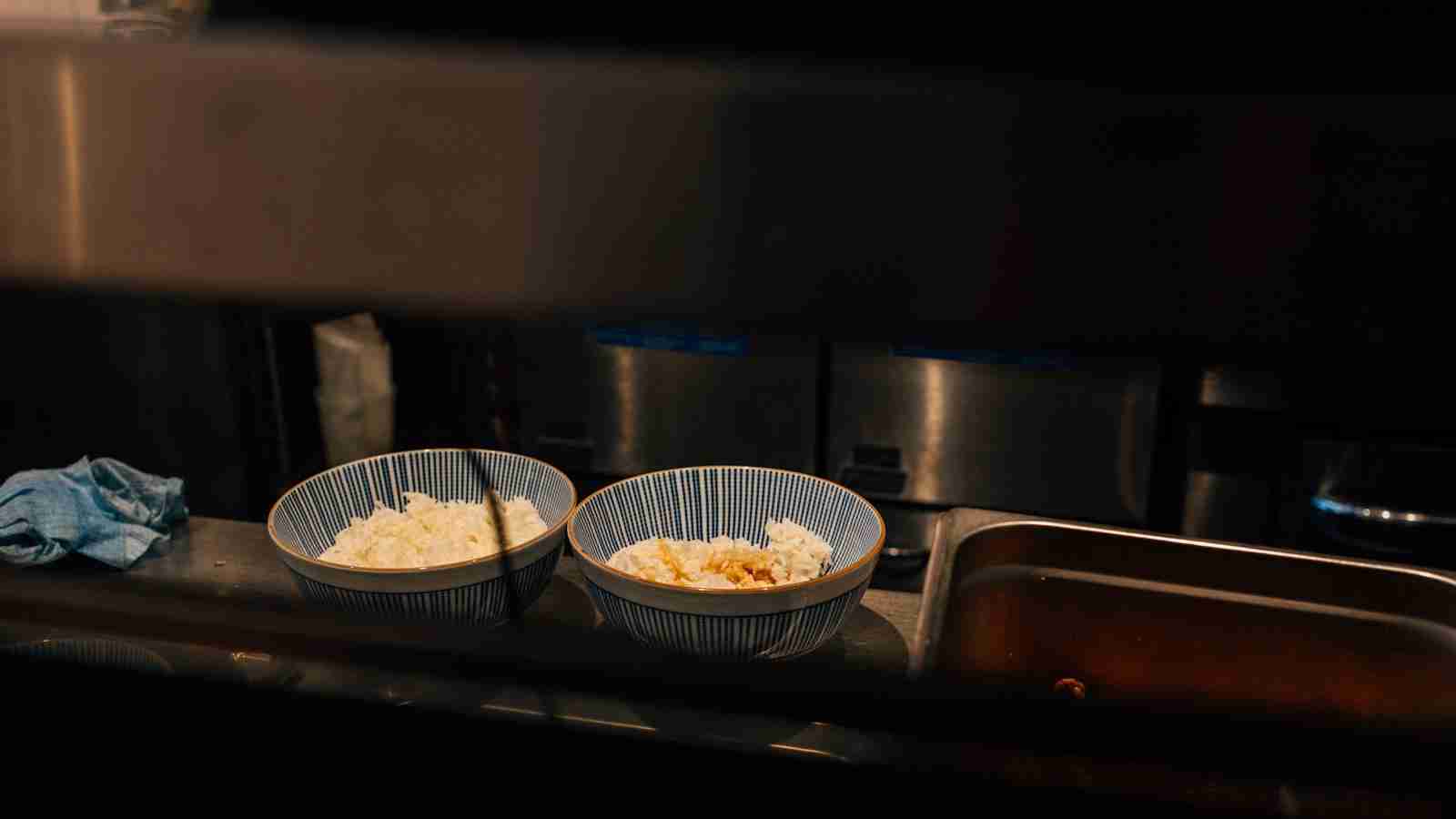
Exploring Modern Innovations in Rice Milling Technology
Rice milling has come a long way from traditional methods to more advanced technologies to meet the increasing demands of the modern world. The art of rice milling involves a combination of innovative techniques and machinery to efficiently process rice grains into high-quality products that are enjoyed by people worldwide.
With the use of state-of-the-art equipment such as precision rice mills, color sorters, and automation systems, rice milling has become more efficient and cost-effective. These modern innovations not only ensure high-quality rice products but also help to reduce waste and improve overall productivity in the rice milling industry. The integration of technology into rice milling processes has revolutionized the way rice is processed and has paved the way for more sustainable and environmentally friendly practices in the industry.

Preserving the Quality and Nutritional Value of Milled Rice
Rice milling is not just a process, it is an art that requires precision and expertise to preserve the quality and nutritional value of milled rice. The way rice is milled can greatly affect its taste, texture, and overall nutritional content. To ensure that the rice retains its quality, it is important to follow certain techniques and best practices throughout the milling process.
- Proper storage: Storing rice in a cool, dry place is essential to prevent it from spoiling. Exposure to heat, light, and moisture can lead to the degradation of nutritional value and affect the taste of the rice.
- Meticulous handling: Careful handling of rice grains during the milling process helps to prevent breakage and preserve the integrity of the grains. This ensures that the rice maintains its texture and appearance.
- Quality control: Regular inspections and quality checks are necessary to ensure that the milled rice meets the desired standards. This includes checking for broken grains, impurities, and ensuring proper milling techniques are followed.
By mastering the art of rice milling, we can guarantee that the rice produced is of the highest quality and nutritional value. This not only benefits consumers who enjoy delicious and nutritious rice dishes but also supports the livelihoods of farmers who depend on selling their rice produce. With careful attention to detail and a commitment to excellence, we can continue to preserve the quality and nutritional value of milled rice for generations to come.
Effective Strategies for Sustainable Rice Milling Practices
In order to achieve sustainable rice milling practices, it is crucial to implement a combination of efficient techniques and environmentally friendly processes. One key strategy is to invest in modern rice milling equipment that maximizes efficiency while minimizing energy consumption. By utilizing state-of-the-art technology, rice milling facilities can reduce waste and improve overall productivity.
Another important aspect of sustainable rice milling is to prioritize water conservation. Implementing water recycling systems and utilizing water-saving techniques can significantly reduce water usage in the milling process. Additionally, promoting environmentally friendly practices such as utilizing renewable energy sources and reducing carbon emissions can help rice milling facilities operate in a more sustainable manner.
Future Outlook
As we come to the end of our exploration into the art of rice milling, we hope that you have gained a newfound appreciation for the intricate process behind this staple food. From traditional hand-pounding techniques to modern machinery, the journey of rice from paddy to plate is truly a fascinating one.
Next time you sit down to enjoy a bowl of rice, take a moment to reflect on the hard work and skill that goes into producing this humble grain. The art of rice milling may be often overlooked, but it is an essential part of human history and culture that deserves our admiration.
Thank you for joining us on this enlightening journey, and we hope you continue to savor the simple beauty of rice in all its forms. Until next time, happy milling!




