
In the bustling world of agriculture, where innovation is paramount and tradition meets technology, the art of modern rice milling stands as a shining example of advancement in grain processing. From the humble paddy fields to the sophisticated machinery of modern mills, the journey of rice from crop to kitchen staple is a fascinating tale of precision and efficiency. Join us as we delve into the intricacies of modern rice milling, where ancient traditions blend seamlessly with cutting-edge technology to ensure the production of the finest quality rice possible.
Heading 1: Innovations in Rice Milling Technology
Rice milling technology has come a long way, with innovations that have revolutionized the industry. From traditional methods to advanced machinery, the art of modern rice milling has raised the bar for efficiency and quality in rice production.
Key developments in rice milling technology include:
- High-Tech Sorting Machines: Advanced machines that can accurately sort rice grains based on size, shape, and color, ensuring only the highest quality grains make it to the final product.
- Automated Packaging Systems: Robotics and automation technology have made packaging rice faster and more precise, reducing human error and ensuring consistency in every pack.
| Advancements | Benefits |
|---|---|
| Efficient Sorting Machines | Higher quality rice production |
| Automated Packaging Systems | Consistent packaging and reduced errors |
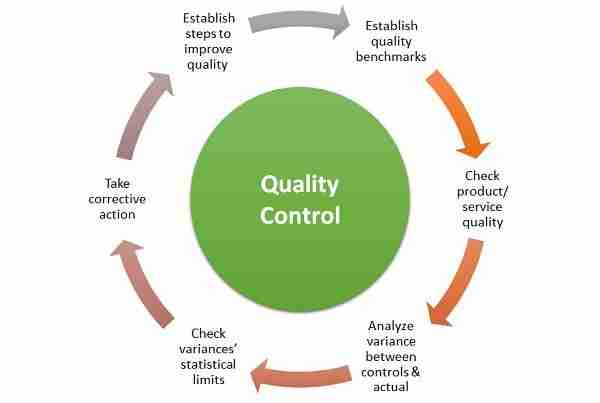
Heading 2: Importance of Quality Control in Modern Rice Milling
Rice milling has come a long way from traditional methods to the sophisticated processes used in modern mills today. One of the key elements that have revolutionized rice production is the implementation of quality control measures. By ensuring that each grain of rice meets strict standards, modern mills can produce premium quality rice that is safe for consumption and appealing to consumers worldwide.
Quality control in modern rice milling involves various steps and technologies to guarantee the consistency and excellence of the final product. Some essential aspects of quality control in rice milling include sorting and grading of grains, removal of impurities, moisture control, and packaging procedures. With advanced machinery and automated systems, rice millers can streamline the production process while maintaining high standards of quality, making sure that every bag of rice that leaves the mill is of the highest quality.

Heading 3: Sustainable Practices for Efficient Rice Milling Operations
Rice milling operations have come a long way, evolving with the integration of sustainable practices to ensure efficiency and minimize waste. The art of modern rice milling involves a combination of innovative technologies and environmentally friendly approaches to streamline the process. Implementing sustainable practices not only benefits the environment but also contributes to the overall quality of the final product.
Key sustainable practices for efficient rice milling operations include:
- Water Management: Utilizing water recycling systems to reduce water usage and minimize contamination.
- Energy Efficiency: Implementing energy-saving technologies such as solar power or efficient machinery to reduce the carbon footprint.
- Waste Reduction: Incorporating systems for recycling byproducts like rice husks or bran to minimize waste and maximize resources.
Heading 4: Enhancing Rice Milling Business Profitability through Automation and Digitization
Technology has revolutionized the way we approach rice milling business profitability. By incorporating automation and digitization into our processes, we can streamline operations, reduce costs, and increase efficiency. Modern rice milling involves utilizing state-of-the-art machinery and software to ensure that every grain of rice is processed to perfection.
With automated sorting, grading, and packaging systems, rice millers can achieve higher levels of accuracy and consistency. By digitizing data and analytics, business owners can make informed decisions to optimize their operations. Embracing the art of modern rice milling is not just about keeping up with the latest trends, but about staying ahead of the competition in a rapidly evolving industry.
The Conclusion
In conclusion, the art of modern rice milling encompasses a harmonious blend of tradition and technology, producing high-quality rice that feeds millions around the world. By embracing innovation and sustainable practices, rice millers continue to uphold the rich heritage of rice cultivation while meeting the demands of a rapidly growing global population. As we look towards the future, may the art of modern rice milling serve as a shining example of how ancient traditions can be preserved and enhanced through modern advancements. Thank you for joining us on this journey through the intricate world of rice milling. Here’s to a future filled with perfectly milled grains that nourish both body and soul.




