
In an age where technology continues to transform every aspect of our daily lives, the world of agriculture is no exception. The latest advancements in processing technology are revolutionizing the way we cultivate and consume one of the world’s most staple foods - rice. From improving efficiency to enhancing nutritional value, this article explores the cutting-edge innovations that are reshaping the rice industry as we know it. Join us as we delve into the exciting world of revolutionizing rice processing technology.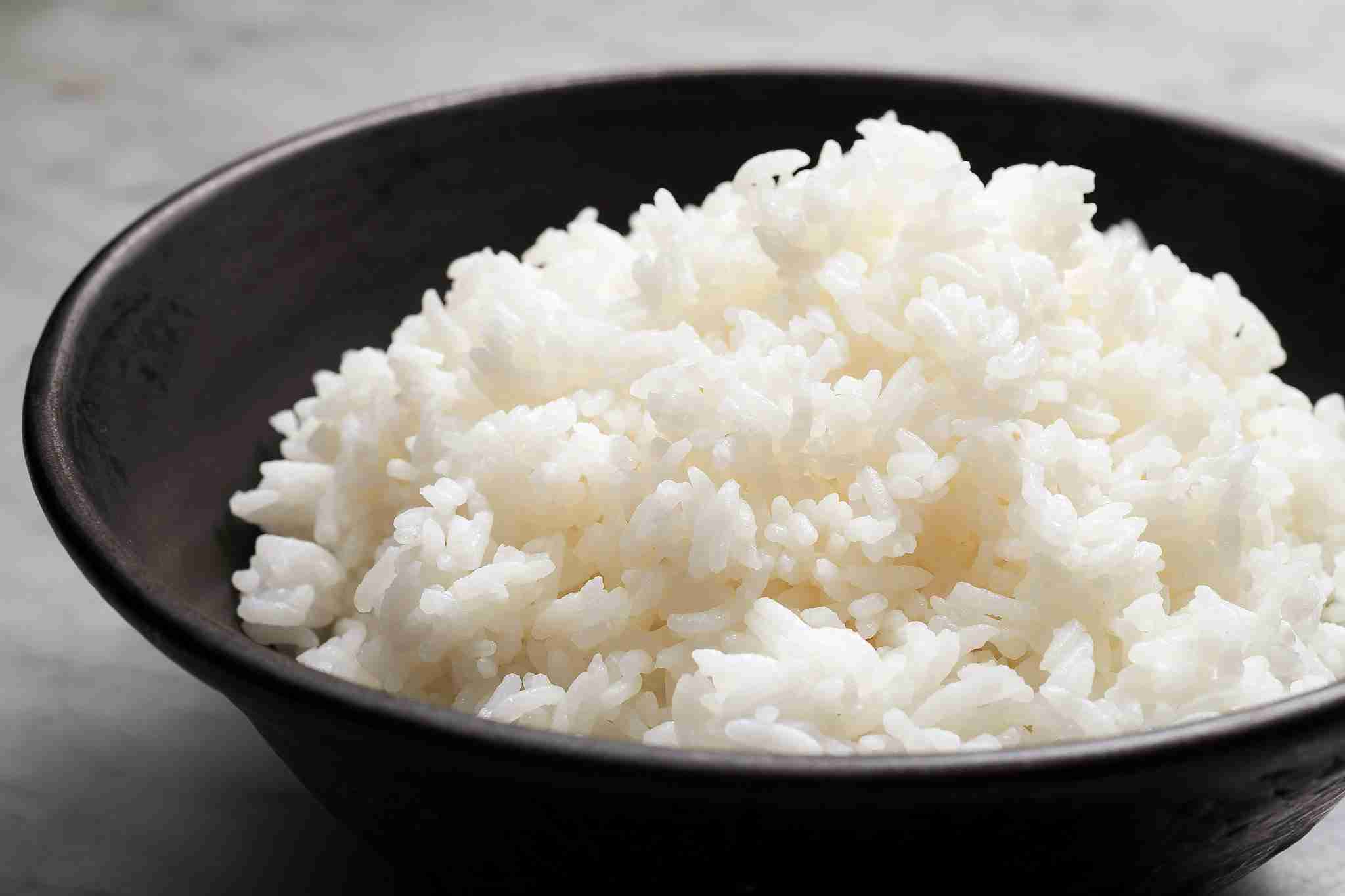
Innovative Methods for Enhancing Rice Quality
Rice processing technology has evolved significantly in recent years, with new innovations aimed at enhancing the quality of this staple food. One of the most groundbreaking advancements in the industry is the introduction of precision milling techniques. This cutting-edge method allows for finer control over the milling process, resulting in grains that are more uniform in size and shape, and ultimately, a higher quality end product.
Another exciting development in rice processing is the use of vacuum packaging to preserve the freshness and flavor of the rice. By removing oxygen from the packaging, this method helps prevent the development of rancidity and prolongs the shelf life of the product. Additionally, UV light treatments are being used to eliminate harmful bacteria and pathogens, ensuring that consumers can enjoy safe and nutritious rice with every meal.

Efficiency and Sustainability in Rice Processing
Rice processing has come a long way in recent years, with advancements in technology paving the way for more efficient and sustainable practices. One of the latest innovations in rice processing is the use of specialized sorting machines that can quickly and accurately separate broken grains from whole grains, ensuring a higher quality end product. These machines utilize cutting-edge optical sorting technology to achieve this precision, reducing waste and increasing overall efficiency in the processing line.
Another key development in the industry is the implementation of water-saving techniques in rice processing plants. By recycling and reusing water throughout the processing cycle, companies are able to significantly cut down on water usage and minimize their environmental impact. Sustainable practices like these not only benefit the environment but also help to reduce costs in the long run, making them a win-win for both businesses and the planet.

Utilizing Cutting-Edge Technology to Maximize Crop Yields
One of the most significant advancements in rice processing technology is the introduction of automated sorting and grading systems. These state-of-the-art machines use sensors and cameras to assess the quality of each grain, ensuring a consistent and high-quality end product. By automating this process, farmers can save time and resources while also improving the overall efficiency of their operations.
Another cutting-edge technology that is revolutionizing the rice industry is the use of precision agriculture techniques. By utilizing drones and satellite imagery, farmers can gather detailed information about their fields, such as soil moisture levels, crop health, and pest infestations. This data allows them to make informed decisions about when and where to apply fertilizers, pesticides, and other inputs, ultimately maximizing crop yields while minimizing environmental impact. Through the integration of these cutting-edge technologies, rice farmers can take their production to new heights and meet the growing demand for this staple food crop.
Revolutionizing the Industry Through Advanced Processing Techniques
Today, the rice industry is undergoing a major transformation with the implementation of cutting-edge processing techniques. Advanced technology is taking rice processing to new heights, improving efficiency and quality. Through the use of state-of-the-art machinery and innovative methods, rice producers are able to streamline their operations and deliver premium products to consumers.
One key advancement in processing technology is the adoption of computerized sorting systems. These systems use high-resolution cameras and sophisticated algorithms to accurately identify and separate impurities from the rice grains. This ensures that only the highest quality rice makes it to the final product, free from any contaminants. Additionally, automated packaging machines are revolutionizing the packaging process, allowing for faster and more precise packaging of rice products. With these advancements, the rice industry is set to reach new levels of productivity and quality, meeting the demands of an ever-evolving market.
Key Takeaways
In conclusion, the advancements in rice processing technology are changing the way we view this staple food. From increased efficiency and reduced waste to enhanced nutritional value, the possibilities are endless. As we continue to revolutionize the way rice is processed, we can look forward to a brighter future for both producers and consumers alike. Stay tuned for more exciting developments in the world of rice processing technology. Your next bowl of rice may just be a game-changer.




