
Revitalizing Grains: The Innovation Behind Parboiled Rice Plants
In a world where culinary traditions intertwine with modern technology, the humble grain takes on a new form, revitalizing our plates and our palates. Parboiled rice, once a staple of farmers’ fields, is experiencing a renaissance fueled by innovative practices that enhance both its nutritional profile and culinary versatility. This article delves into the fascinating intersection of agriculture, science, and gastronomy, exploring how advancements in parboiling techniques are reshaping the way we view this ancient staple. From improved cooking qualities to increased food security, the advancements in parboiled rice plants are not just transforming agriculture; they are redefining the grains that nourish us. Join us as we explore the journey of parboiled rice from the paddy to the plate, highlighting the ingenuity and dedication that breathe new life into this cherished grain.
Exploring the Process: Understanding the Parboiling Technique in Rice Production
Parboiling is a fascinating technique that enhances the quality and nutritional value of rice. This process involves soaking, steaming, and drying the rice before it is milled, transforming the grains in more ways than one. By undergoing partial cooking, the starches become gelatinized, resulting in firmer grains that are less likely to break during cooking. Additionally, the nutrient retention increases significantly, as water-soluble vitamins and minerals from the bran layer are absorbed by the inner grain. As a consequence, parboiled rice not only cooks more evenly but also delivers a richer flavor profile, making it a favored choice for culinary enthusiasts around the globe.
The methodology behind parboiling can be broken down into several key steps that elevate traditional rice production practices. These include:
- Soaking: Raw paddy rice is soaked in water to facilitate moisture absorption.
- Steaming: The soaked rice is then subjected to steam heat, which gelatinizes the starches.
- Drying: the rice is dried to reduce moisture content before milling.
This comprehensive approach not only optimizes the grains’ cooking characteristics but also leads to an overall higher yield when processed. Through parboiling, producers can cater to the growing market demand for healthier and more resilient grain options, showcasing how traditional practices can adapt to modern needs.
Health Benefits of Parboiled Rice: A Nutritional Perspective for Consumers
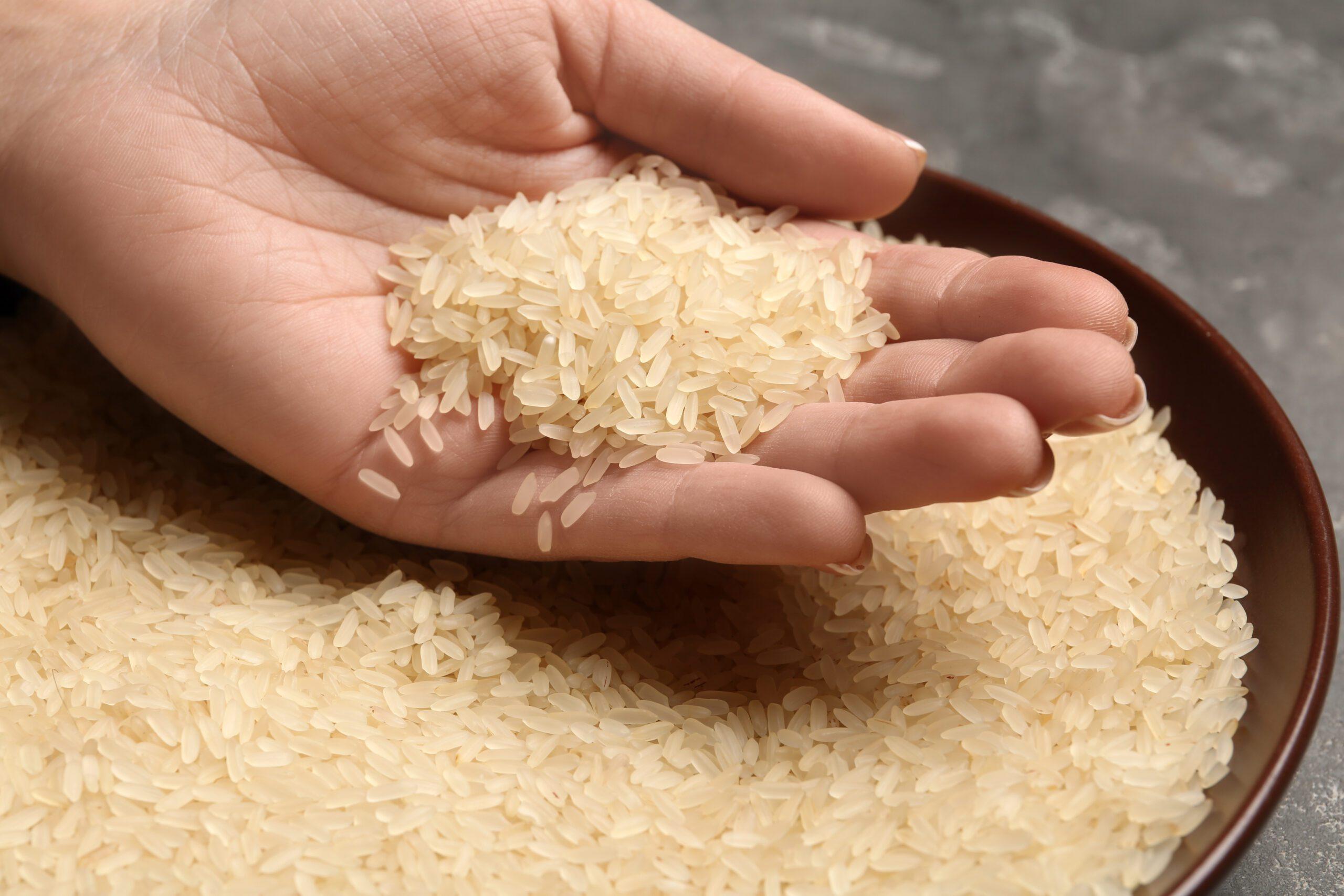
Parboiled rice, a whole grain wonder, offers remarkable health advantages that extend beyond traditional white rice. The unique steaming and drying process that it undergoes before milling retains vital nutrients, making it a nutrient-dense staple. Unlike regular rice, parboiled rice boasts an impressive nutritional profile, which includes higher levels of vitamins, minerals, and fiber. This contributes to improved digestion and a steady source of energy, making it an ideal choice for those seeking balanced meals.
Consumers can greatly benefit from the choice of parboiled rice in their diets. It can help in managing blood sugar levels, thanks to its low glycemic index, which can be particularly beneficial for diabetics and those monitoring their glucose intake. Moreover, the increased fiber content compared to white rice assists in maintaining heart health and reducing cholesterol levels. By incorporating parboiled rice into everyday meals, individuals can embrace a healthier lifestyle with a versatile grain that can easily complement various dishes.
| Benefits of Parboiled Rice | Nutritional Aspect |
|---|---|
| Higher Fiber Content | Improves digestion and satiety |
| Lower Glycemic Index | Aids in blood sugar management |
| Rich in Vitamins and Minerals | Supports overall health and wellness |
| Versatile Ingredient | Can be used in various cuisines |
Sustainable Farming Practices: How Parboiled Rice Plants Contribute to Environmental Health
Parboiled rice production is more than just a processing technique; it represents a holistic approach to farming that prioritizes sustainability. The process of parboiling involves soaking, steaming, and drying paddy rice before milling, which not only enhances nutritional value but also significantly reduces waste. This unique method encourages farmers to adopt practices that are environmentally friendly, such as integrating crop rotations and cover cropping, which restore soil health and foster biodiversity. By minimizing reliance on synthetic fertilizers and pesticides, parboiled rice farming helps in maintaining a balanced ecosystem and promotes natural pest deterrents.
Moreover, the cultivation of parboiled rice usually involves techniques that optimize water usage and energy efficiency. Farmers are increasingly adopting drip irrigation systems and other water-saving methods to ensure that resources are conserved while yields remain high. By switching to parboiled rice, communities can experience reduced soil erosion and improved water retention capabilities. The amalgamation of these practices generates a pathway toward a sustainable agricultural future where food security is enhanced, and environmental degradation is minimized. Below is a simple table illustrating some key sustainability benefits:
| Benefit | Description |
|---|---|
| Soil Health | Improves nutrient content and promotes microbial activity. |
| Water Conservation | Uses less water compared to traditional rice farming. |
| Biodiversity | Encourages diverse plant species, benefiting local ecosystems. |
| Energy Efficiency | Requires less energy for production, reducing carbon footprint. |
Innovative Technologies: Enhancing Efficiency and Quality in Parboiled Rice Processing
Revolutionizing parboiled rice processing, innovative technologies play a vital role in streamlining production while ensuring superior quality. Modern plants are now outfitted with advanced machinery that incorporates smart sensors, automation, and data analytics to minimize human error. These technologies allow for precise control over critical processes such as soaking, steaming, and drying. Key benefits include:
- Reduced Energy Consumption: Energy-efficient equipment lowers operational costs.
- Enhanced Quality Assurance: Real-time monitoring ensures consistent product quality.
- Faster Production Cycles: Automation accelerates processes without compromising quality.
Furthermore, innovations in moisture management and thermal processing contribute to overall efficiency in parboiling operations. Techniques such as microwave-assisted drying and specialized conveyor systems enable uniform heat distribution, leading to a more consistent end product. These advancements not only improve yield but also preserve nutritional content. The following table summarizes the impact of these technologies:
| Technology | Impact on Production | Benefits |
|---|---|---|
| Smart Sensors | Real-time data tracking | Improved consistency |
| Automation | Faster processing | Reduced labor costs |
| Microwave Drying | Uniform heat distribution | Better quality retention |
The Way Forward
As we stand at the intersection of tradition and innovation, the journey of revitalizing grains, particularly through advancements in parboiled rice plants, unveils a world rich with potential. The unique processes that breathe new life into these grains not only celebrate their deep-rooted history but also pave the way for sustainable agricultural practices and enhanced nutritional profiles.
In an era where food security and environmental sustainability are paramount, parboiled rice serves as a testament to how science and heritage can intertwine, transforming simple grains into innovative solutions for global challenges. It invites us to reconsider our perceptions of staple foods, encouraging a deeper appreciation for what lies beneath the surface.
As growers, consumers, and innovators continue to collaborate, the grains that nourish us may evolve to meet the complex demands of our modern world. With each bite of parboiled rice, we embrace a narrative of adaptability and resilience—one that feeds not just our bodies but also our future. The exploration of revitalizing grains is far from over; it is a journey that invites all of us to partake in the unfolding story of our food systems, reminding us that sometimes, innovation begins with honoring the past.




