In the vast and intricate world of rice production, one method stands out as a true pioneer: parboiling. This ancient technique, believed to have originated in the heart of Asia, has been perfected over centuries to produce a unique and versatile grain that has captured the attention of chefs and home cooks alike. Join us as we delve into the art of parboiled rice production and uncover the secrets behind this innovative process.
Introduction to Parboiled Rice Processing
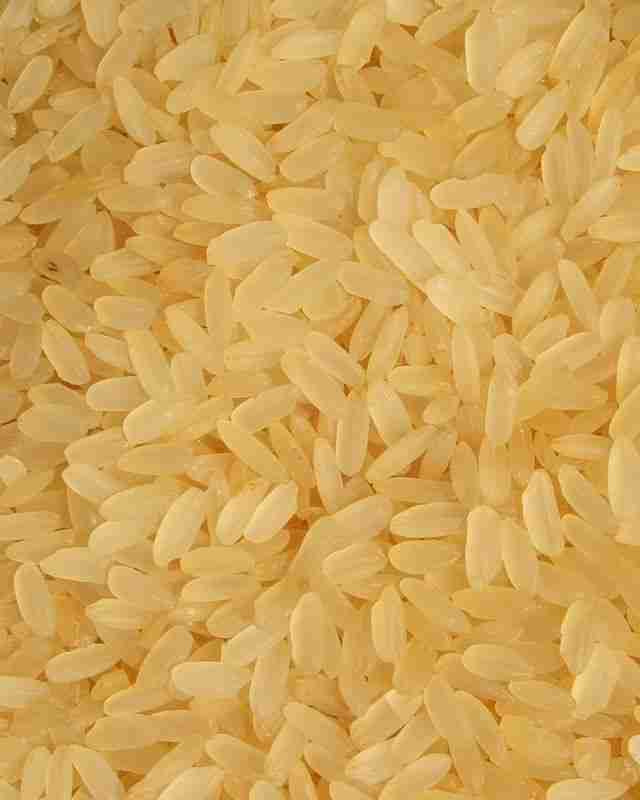
Parboiled rice processing is a unique method that sets this type of rice apart from others. The process involves partially boiling the rice in the husk, which then allows for the retention of more nutrients compared to regular white rice. This innovative technique not only results in a more nutritious end product but also ensures a firmer texture and less stickiness when cooked.
During the parboiling process, the rice kernels are soaked, steamed, and dried before the husk is removed. This multi-step method helps to gelatinize the starches in the rice, making it easier to digest and reducing the risk of overcooking. The end result is a versatile rice that can be used in a variety of dishes, from pilafs to casseroles. With its unique processing method and nutritional benefits, parboiled rice is truly a pioneering choice for consumers looking to add a healthy twist to their meals.
Innovative Techniques in Parboiled Rice Production
Parboiled rice production has undergone a remarkable evolution in recent years, with the introduction of groundbreaking techniques that have revolutionized the industry. One such innovation is the use of high-pressure steam to partially cook the rice before it is dried and milled. This process not only helps to retain more nutrients in the rice but also results in a firmer grain that is less likely to break during cooking.
Another pioneering technique in parboiled rice production is the use of infrared technology to precisely control the drying process. By utilizing infrared sensors to monitor the moisture content of the rice, producers can ensure that each batch is dried to the optimal level, resulting in a consistent final product that cooks evenly every time. Additionally, the use of specialized milling equipment has allowed for greater efficiency and higher yield, further enhancing the quality of parboiled rice on the market.
Benefits of Parboiled Rice Consumption
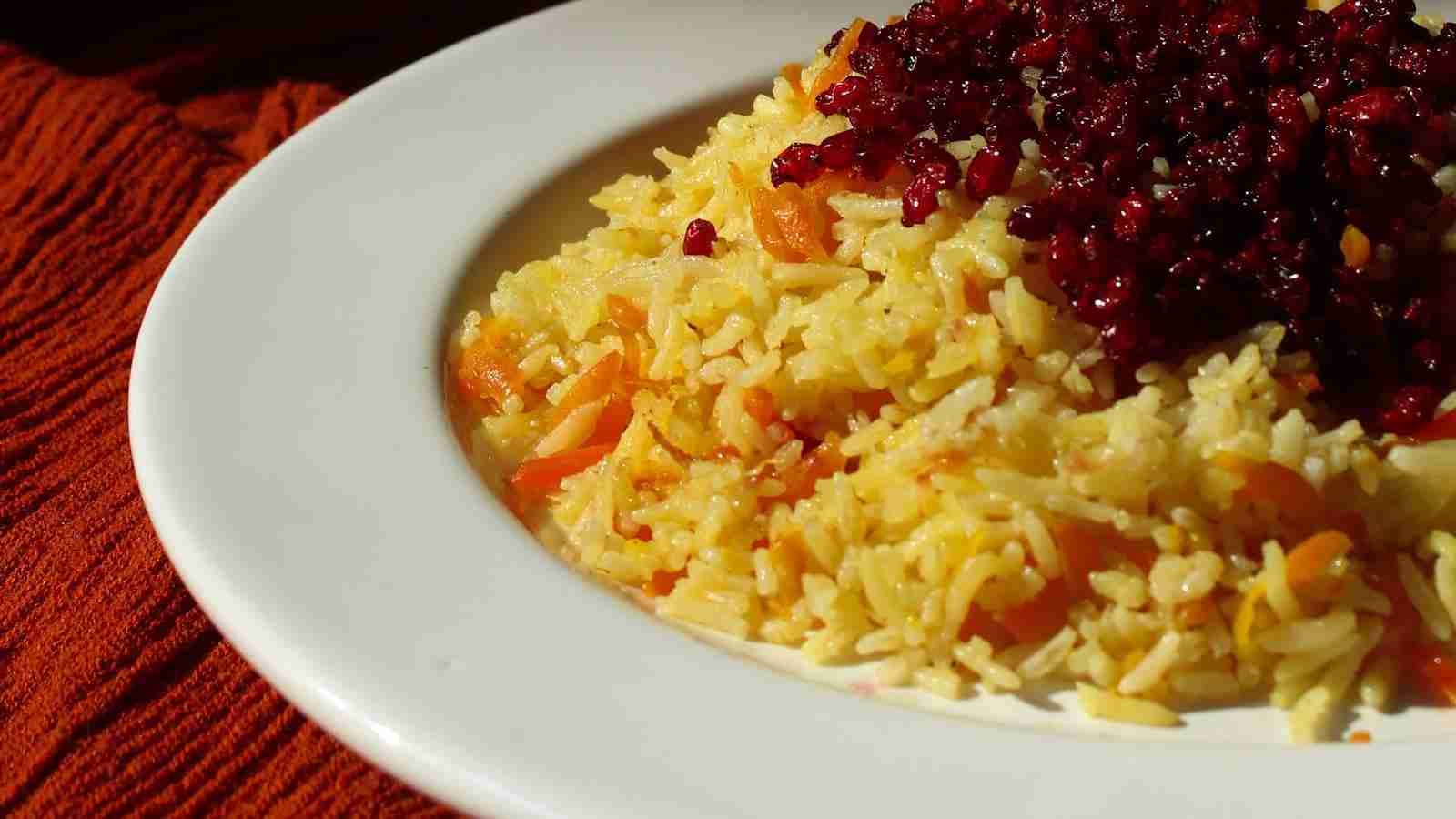
Parboiled rice consumption offers a multitude of benefits that make it a popular choice for many households. One of the main advantages of consuming parboiled rice is its higher nutritional value compared to white rice. Through the parboiling process, the rice grains retain more nutrients, such as vitamins and minerals, making it a healthier option for individuals looking to improve their diet.
Additionally, parboiled rice has a lower glycemic index than white rice, which means it is digested more slowly, leading to better blood sugar control. This makes it an ideal choice for individuals with diabetes or those looking to maintain stable energy levels throughout the day. In terms of texture and taste, parboiled rice also offers a firmer and fluffier consistency, making it a versatile ingredient for various dishes.
Tips for Successful Parboiled Rice Production
Producing high-quality parboiled rice requires attention to detail and a thorough understanding of the process. To ensure successful production, follow these tips:
- Selecting the right rice variety: Choose a variety of rice that is well-suited for parboiling, such as long-grain rice with high amylose content.
- Proper soaking and steaming: Soaking the rice in hot water, followed by steaming, helps to gelatinize the starch and improve the nutritional value of the rice.
- Optimal drying process: Drying the parboiled rice thoroughly is crucial to prevent spoilage and ensure a longer shelf life.
- Packaging and storage: Packaging the parboiled rice in airtight containers and storing it in a cool, dry place will help maintain its quality.
| Tip | Description |
|---|---|
| Selecting the right rice variety | Choose a variety with high amylose content. |
| Proper soaking and steaming | Helps gelatinize starch and improve nutritional value. |
Final Thoughts
In conclusion, the art of parboiled rice production is a time-honored process that requires precision, skill, and dedication. By gently steaming and drying the rice before milling, producers are able to create a unique grain that is not only more nutritious but also more flavorful and versatile in cooking. As we continue to appreciate the craftsmanship and tradition behind this pioneering method, let us not forget the generations of farmers and producers who have perfected the art of parboiled rice production, ensuring that this staple grain remains a cherished part of our culinary experience. Next time you enjoy a delicious bowl of parboiled rice, take a moment to savor the rich history and meticulous craftsmanship that went into its creation.