Inside the Grain: Unveiling the Rice Processing Plant Journey
In the heart of every meal that graces our tables lies a humble grain—rice, the cornerstone of sustenance for billions. Yet, beyond its presence in our kitchens, there exists an intricate world where nature’s bounty is transformed into the staple we recognize today. Welcome to the fascinating journey of rice as it transitions from paddy fields to polished grains, a process laden with tradition, technology, and craftsmanship.This article invites you to step inside the grain, unraveling the layers of the rice processing plant. We will explore the delicate balance between age-old practices and modern innovations, shedding light on the operations that ensure this cherished grain remains both accessible and nourishing.Join us as we delve into the fascinating stages of processing, from harvesting and drying to milling and packaging, revealing the unseen paths that connect farmers and consumers alike.
Exploring the Essential Steps of Rice Processing
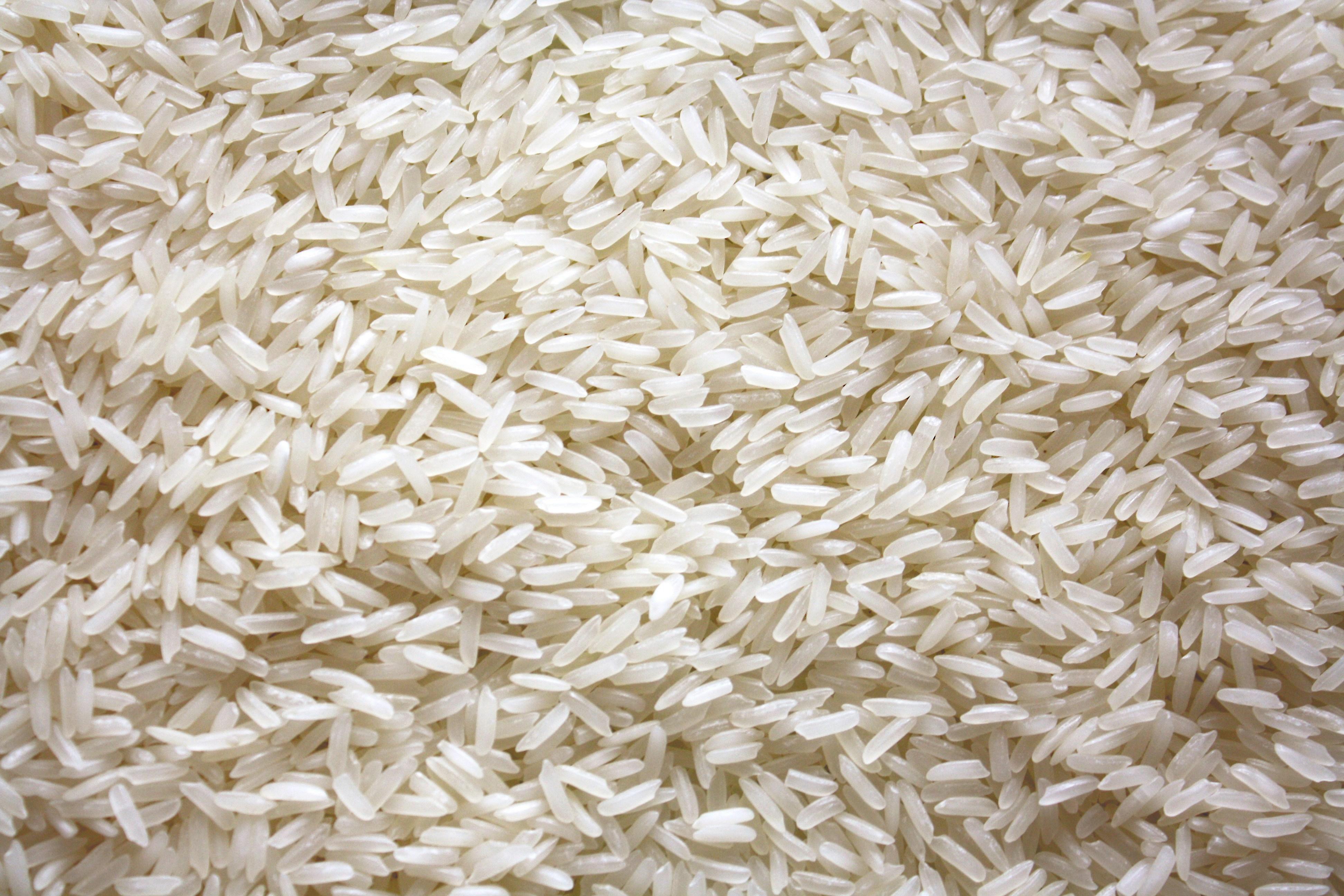
Rice processing is a meticulous journey that transforms the humble grain into a versatile staple. The journey begins with pre-cleaning, where impurities like stones and unwanted plant materials are removed to ensure quality. Following this, hulling takes place, whereby the outer husk is separated from the brown rice within. At this stage, rice can be categorized into two paths: milled rice or brown rice.Milled rice undergoes polishing to enhance its appearance and shelf life, resulting in the shiny, white grains that are familiar on our plates. The attention to detail in this process is crucial, as each phase significantly impacts the grain’s texture, taste, and nutritional value.
After the primary processes, rice enters the pivotal stage of grading and sorting, which ensures that only the best grains make it to market.Advanced technology and expert personnel collaborate to meticulously sift through the rice, classifying it based on size, weight, and quality. The final stages consist of packaging and storage,where grains are secured in bags that preserve their freshness and prevent contamination. The goal is to maintain the integrity of the rice until it reaches the consumer. Below is a simple table highlighting the different types of rice processed at facilities:
| Type of Rice | Description |
|---|---|
| Brown Rice | Whole grain with bran layer intact, rich in nutrients. |
| White Rice | Polished grain, softer texture, and a longer shelf life. |
| jasmine Rice | Aromatic long-grain rice with a floral scent. |
| Basmati Rice | Fragrant and granular rice, ideal for pilafs and biryanis. |

The Role of Technology in Enhancing Rice Quality
Advancements in technology have dramatically transformed the way rice is processed, ensuring that every grain meets high standards of quality and safety. From the initial stages of harvesting to the end product, innovative machinery plays a crucial role in enhancing the overall quality of rice.The integration of precision agriculture techniques allows farmers to monitor field conditions real-time, ensuring optimal harvest times and reducing post-harvest losses. Furthermore,sophisticated cleaning and milling equipment removes impurities and maximizes grain yield while retaining essential nutrients.
Once the rice reaches processing plants,state-of-the-art features such as automated sorting and grading systems become pivotal. Optical sensors and AI-driven algorithms meticulously evaluate grain quality by assessing colour, size, and even defects. This approach significantly minimizes human error and enhances consistency, delivering rice that meets consumer expectations. Additionally, advancements in packaging technology now protect the grains from environmental factors, ensuring their freshness and longevity. The following table showcases key technological innovations in rice processing:
| Technology | Function | Benefits |
|---|---|---|
| Precision Agriculture | real-time monitoring of crop conditions | – Optimizes harvest timing – Reduces losses |
| Automated Sorting Systems | Evaluates grain quality | – Minimizes human error – Enhances consistency |
| Advanced Packaging | Protects grains from external factors | – Prolongs freshness – Prevents contamination |
Sustainable Practices for Modern Rice Milling
In an era where environmental stewardship is paramount, the rice milling industry is embracing innovative approaches to enhance sustainability. Modern rice processing plants are now focusing on energy efficiency, implementing state-of-the-art technologies to reduce energy consumption and minimize carbon footprints. Techniques such as utilizing renewable energy sources like solar panels and wind turbines are becoming standard practices, ensuring that operations run smoothly while contributing to a greener future. Additionally, many facilities are investing in waste minimization strategies, repurposing by-products like husks and bran for animal feed or biofuel, thus creating a circular economy within the processing cycle.
Water conservation is another critical aspect of sustainable rice milling practices. Processing plants are adopting advanced water management systems that allow for the recycling and reuse of water, drastically reducing overall consumption. By implementing closed-loop systems,these facilities can ensure that water is treated and recirculated,minimizing waste and promoting a responsible approach to this precious resource. The incorporation of environmental monitoring systems enables mills to track their consumption levels and assess their impact on local ecosystems,ensuring that rice milling can occur without compromising the health of surrounding communities.
Maximizing Efficiency: Tips for Optimal Plant Management
To enhance the productivity of a rice processing plant, implementation of streamlined workflows is crucial. Begin by analyzing the current production line to identify bottlenecks and areas of inefficiency. consider adopting a modular approach to your processing stages, allowing for easier adjustments based on demand fluctuations. This can involve:
- Investing in Automated Technologies: Automation can drastically reduce labor costs and increase consistency in processing.
- Conducting Regular Training: Equip staff with the latest techniques and knowledge to ensure optimal operation.
- Implementing Preventive Maintenance: Regular equipment checks can prevent breakdowns and extend lifespan.
Furthermore,fostering an surroundings of continuous improvement can foster innovation among your team. establishing key performance indicators (KPIs) enables you to benchmark operations and celebrate milestones. Consider organizing workshops where employees can suggest process enhancements based on their hands-on experience. Below is an example of how to track some essential KPIs:
| Key Performance Indicator | Target Value | Status |
|---|---|---|
| Processing Time per Batch | 30 minutes | On Track |
| Equipment Downtime | 2 hours/week | Minimized |
| Error Rate | < 1% | Achieved |
Key Takeaways
As we conclude our journey through the intricate world of rice processing, we’ve unearthed the symphony hidden within each grain.From the moment paddy enters the facility, undergoing transformation under the careful hands of skilled workers and advanced technologies, to the final moment it reaches our dining tables, the process is a testament to both nature’s bounty and human ingenuity.
This exploration has illuminated not only the mechanics of rice processing but also the rich stories woven into every step of its journey. Each grain carries with it the echoes of tradition, the whispers of innovation, and the promise of nourishment. Understanding this journey deepens our appreciation for rice—not just as a staple in our diets, but as a vital thread in the fabric of cultures around the globe.
As we savor our next bowl of rice, let us remember the intricate dance that brings it to life, enhancing not only our meals but also our connection to the land, the people, and the processes that shape our world. it is more than just a grain; it is a reflection of our shared humanity and a reminder of the painstaking journeys that lie behind the simplest of pleasures.