In teh quiet hum of a bustling marketplace, the familiar scent of steaming rice wafts through the air, inviting us to a culinary festivity that spans cultures and continents. But have you ever paused to consider the intricate journey of this staple food,from lush,green paddies to the warmth of your dinner plate? “From Harvest to Table: The Journey of Rice Processing” invites you to explore the vital stages that transform this humble grain into a versatile ingredient cherished worldwide. From the moment the golden harvest is gathered under the sun-soaked sky to the meticulous steps of milling, polishing, and packaging, rice processing is a testament to both agricultural artistry and technological advancement.Join us as we delve into this remarkable journey, uncovering the stories, traditions, and innovations that ensure that every grain of rice plays its part in nourishing millions around the globe.
Understanding the Rice Lifecycle from Field to Fork
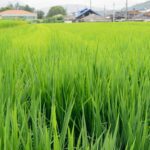
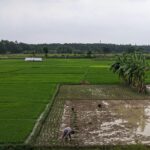
The journey of rice from field to fork is a meticulous process that transforms a simple grain into a staple food cherished worldwide.It starts in the lush, green fields where rice plants bask in the sun and absorb water from flooded paddies. As the plants grow, they undergo a unique lifecycle, beginning as seeds that sprout, eventually maturing into tall stalks filled with grains. When the time comes for harvesting, farmers skillfully cut the rice plants, ensuring that the grains are intact for the subsequent processing stages. This initial step is crucial, setting the stage for quality and yield.
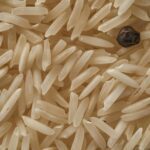
Once harvested, the rice enters the processing phase, which typically includes drying, milling, and packaging. Each of these steps plays a vital role in preserving the grain. During drying, moisture is carefully removed to prevent spoilage.Milling follows, where the outer husk is removed to reveal the shiny rice kernels within. Depending on the desired end product, rice can be milled to different degrees, resulting in brown, white, or parboiled rice. the processed rice is packaged for distribution, ready to find its way into kitchens and onto tables worldwide. The following table summarizes the key stages of rice processing:
| Stage | Description |
|---|---|
| Drying | Reducing moisture content to minimize spoilage. |
| Milling | Removing the husk and processing to desired product type. |
| Grading | Sorting rice based on quality and size. |
| Packaging | Sealing the rice for distribution and sale. |
the Art and Science of Rice Harvesting Techniques
rice harvesting is a pivotal stage in the agricultural cycle,emphasizing both the art and the science behind this ancient practice. Traditionally, farmers have relied on their cultivated instincts passed down through generations, employing methods that vary significantly by region.Manual harvesting involves the use of traditional sickles, where farmers skillfully cut the mature stalks with precision. On the othre hand, modern techniques have introduced mechanized harvesting, utilizing advanced machinery that promises efficiency and speed. With each approach comes a unique set of challenges and rewards, as farmers strive to balance yield quality and sustainability in their harvests.
The effectiveness of harvesting methods can impact the overall quality of rice, influencing everything from grain integrity to pest control. Several factors play a crucial role in determining the right time and technique for harvesting, such as moisture levels in the grain and environmental conditions. Key factors to consider include:
- Timing: The optimal moment for harvesting is when grains reach physiological maturity.
- Weather conditions: A dry spell can be beneficial to prevent spoilage and facilitate easy harvesting.
- Field management: Proper row spacing and plant density enable smoother harvesting processes.
To exemplify the transition from traditional to modern techniques, a comparative summary of various harvesting methods is beneficial:
| Harvesting Technique | Advantages | Disadvantages |
|---|---|---|
| Manual Harvesting | Precision and less grain loss | Labor-intensive and time-consuming |
| Mechanical Harvesting | Increased efficiency and speed | Higher costs and potential for damage |
Processing Methods: Ensuring Quality and Flavor retention
To unlock the full potential of rice, a careful selection of processing methods plays a crucial role in preserving both quality and flavor. After the initial harvest, parboiling is one of the most effective techniques employed. This process involves soaking the paddy in water, steaming it, and then drying it, which not only enhances the nutritional profile—but also gives the rice a golden hue and a slightly nutty flavor. In addition, hulling and milling remove the inedible outer layers, transforming the grain into a form that can be enjoyed in countless culinary traditions around the world.
Maintaining freshness during storage is essential for optimal taste when cooking. Techniques such as air drying or utilizing controlled atmospheres help in extending the shelf-life without compromising quality. Each batch of rice goes through rigorous quality control measures that can include sensory analysis and moisture content evaluation, ensuring that only the best grains reach consumers. The following table summarizes key processing methods along with their impact on rice quality and flavor:
| Processing Method | Impact on Quality | Flavor Profile |
|---|---|---|
| Parboiling | Increased nutritional value | Nutty, earthy |
| Hulling | Improved texture | Neutral |
| Milling | Enhanced appearance | Slightly sweet |
Sustainable Practices for a greener Rice Journey
Adopting eco-pleasant methods throughout the rice processing journey not only supports the planet but also enhances product quality. Water conservation plays a pivotal role in rice cultivation, necessitating innovative irrigation techniques. Employing drip irrigation systems can significantly reduce water consumption,ensuring plants receive the necessary moisture without wasting precious resources. Utilizing rainwater harvesting systems can further augment water supply, allowing farmers to remain resilient against droughts and changing weather patterns.Additionally, integrating crop rotation with legumes can improve soil fertility while minimizing pest outbreaks, creating a harmonious cycle that benefits both the environment and the yields.
In the post-harvest phase, sustainable practices shine through in processing and packaging. Implementing solar energy in drying processes can drastically cut down on fossil fuel reliance, promoting a cleaner energy footprint. Moreover, packaging materials that are biodegradable or compostable not only reduce plastic waste but also appeal to environmentally conscious consumers. Consider a shift to bulk packaging options, minimizing individual wrappers while promoting local distribution networks to lessen carbon emissions from transportation. Here’s a concise table showcasing some sustainable practices in rice processing:
| Practice | Benefits |
|---|---|
| Drip Irrigation | Reduces water waste and ensures efficient moisture delivery |
| Solar Drying | Lowers energy consumption and carbon footprint |
| Biodegradable Packaging | Reduces plastic waste and promotes sustainability |
| Crop rotation | Enhances soil health and reduces pest risks |
To Conclude
the journey of rice from harvest to table is a testament to the intricate interplay between nature, technology, and tradition. Each grain carries with it the stories of farmers who nurture their crops,the innovative processes that refine and transform these golden grains,and the culinary artistry that brings them to our plates. As we savor a simple bowl of rice, let us remember the diverse pathways that led to this staple food, and the myriad people involved in its journey. By appreciating each step—from the verdant fields of harvest to the warm embrace of our dining tables—we can cultivate a deeper connection to our food, recognizing it not just as sustenance, but as a reflection of culture, community, and the enduring bond between humans and the land. So, the next time you enjoy your meal, take a moment to reflect on the rich tapestry behind that humble grain, and celebrate the journey it took to enrich your plate.