From Grain to Greatness: The Journey of Rice Processing
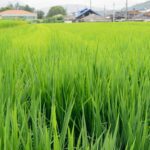
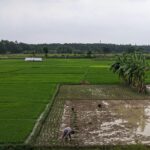
In the heart of paddies across the globe, a humble grain quietly awaits its destiny. Rice, a staple food that nourishes billions, embarks on a remarkable journey long before it graces our plates. This journey—though often overlooked—transforms this unassuming seed into a symbol of sustenance and culture.From the lush fields where it grows to the sophisticated processing facilities that refine it, the evolution of rice is a testament to human ingenuity and the intricate relationship we share with our food. In this exploration of rice processing, we will uncover the engaging steps that shape this essential crop from an unrefined grain to the fluffy, irresistible staple we certainly know and love.Join us as we trace this journey, revealing the science, tradition, and dedication that bring the essence of rice to life.

the Transformation Begins: Understanding the Initial Steps of Rice Processing
The journey of turning harvested rice into a staple food begins with a series of crucial processes, each crucial in enhancing the quality and safety of the grain. The first pivotal step is threshing, where the rice grains are separated from the stalks.This can be done manually or with the help of specialized machines, depending on the scale of operation. Following threshing, the rice undergoes drying, which is essential for reducing moisture content and preventing spoilage. Here, grains are often spread out under the sun or processed through drying machines to ensure adequate preservation.
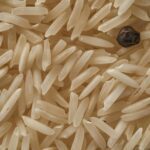
next, the grains encounter the milling phase, a transformative stage where the rough outer husk is removed to produce brown rice. This process can further evolve into white rice through polishing, which involves additional steps for refining. To better understand thes transformations, consider the following table outlining the progression of rice processing:
| Step | Description |
|---|---|
| Threshing | Separation of rice grains from stalks. |
| Drying | Reducing moisture for better storage. |
| Milling | Removing husk to produce brown rice; optional polishing for white rice. |
The planning of rice is not merely a physical transformation but also a delicate art, where each step builds upon the last to ensure the final product meets quality standards. By understanding this intricate process, one can appreciate the care and effort that go into producing every grain of rice, elevating it from mere agriculture to an essential global commodity.

Nurturing Quality: The Role of Cleaning and Sorting in Achieving Excellence
The transformation of rice from a simple grain into a culinary masterpiece hinges substantially on the processes of cleaning and sorting. These essential steps not only enhance the visual appeal of the rice but also ensure that each grain meets the highest quality standards. During the cleaning phase,a meticulous examination occurs where impurities,such as stones,dust,and broken grains,are removed. This process includes various methods such as:
- Air blowing: Removing lightweight impurities.
- Washing: Rinsing to eliminate dust and residues.
- Gravity separation: Utilizing weight differences to sort grains.
Following cleaning, sorting takes center stage, further refining the selection to guarantee that only the best grains proceed to packaging. Advanced technologies, such as optical sorters, are now commonplace in rice mills, facilitating precise discrimination based on size, shape, and color. This emphasis on quality is crucial as it directly influences consumer satisfaction and market value. The effectiveness of these processes can be summarized as:
| Process | Description | Benefits |
|---|---|---|
| Cleaning | Removal of impurities and inconsistencies. | Ensures purity and quality. |
| Sorting | classification of grains based on quality. | Enhances market competitiveness. |
By investing in thorough cleaning and careful sorting, rice processors not only elevate the grain’s inherent qualities but also lay the foundation for a culinary journey that delights and satisfies palates worldwide.These initial steps set a precedent of excellence, translating into a product that is worthy of the hard work and dedication put into its cultivation and processing.
Harnessing Technology: Innovations Shaping the Future of Rice Processing
As the need for efficiency and sustainability in agriculture escalates,the rice processing industry is increasingly turning to technology for innovative solutions. Automation has emerged as a game changer,streamlining operations from milling to packaging. Advanced machines not only reduce labor costs but also enhance the precision of processes, ensuring higher quality rice. Additionally, the integration of IoT sensors facilitates real-time monitoring of production quality and environmental conditions, leading to better management of resources and waste reduction. The outcome is a more agile supply chain that can respond rapidly to market demands.
Furthermore, artificial intelligence (AI) is making waves in the realm of rice processing. By leveraging machine learning algorithms, processors can analyze vast amounts of data to optimize milling settings and predict outcomes more accurately. These AI-driven systems are proving invaluable in quality control, as they can detect defects or contaminants in rice batches with unparalleled speed and accuracy. Other notable advancements include biotechnological innovations, enhancing varietal resilience and yield potential, consequently optimizing the entire lifecycle of rice from farm to consumer. Together, these technological strides are heralding a new era of productivity and sustainability in the rice processing sector.
| Technology Innovation | Impact on Rice Processing |
|---|---|
| Automation | streamlines operations and reduces labor costs. |
| IoT Sensors | Real-time monitoring enhances resource management. |
| AI & Machine Learning | Optimizes milling settings and enhances quality control. |
| biotechnology | Improves varietal resilience and yield potential. |
Sustainable Practices: Recommendations for Eco-Friendly Rice production
Embracing eco-friendly practices in rice production is essential for ensuring the sustainability of this vital food source. By adopting a combination of traditional wisdom and modern techniques, farmers can significantly reduce their environmental footprint while maintaining high productivity. Here are a few recommendations for integrating sustainable practices:
- Crop Rotation: Incorporating legumes and vegetables into rice cropping systems can maintain soil fertility and reduce pest outbreaks.
- Organic Fertilizers: Utilizing compost and green manures can enhance soil health while minimizing chemical inputs.
- Water Management: Employing alternate wetting and drying (AWD) can optimize water usage and lower methane emissions.
- Integrative Pest Management (IPM): Promoting beneficial insects and using traps can help control pests naturally.
Additionally, the adoption of technology can lead to more efficient and less resource-intensive practices. Precision agriculture tools, such as drones and soil sensors, can provide farmers with critical insights, optimizing inputs and enhancing yields. To visualize the potential benefits of sustainable rice farming, the following table highlights key metrics comparing traditional and sustainable practices:
| Practice Type | Yield (tons/ha) | Water Use (liters/kg) | CO2 Emissions (kg/ha) |
|---|---|---|---|
| Traditional | 6.5 | 3,500 | 1,200 |
| Sustainable | 7.0 | 2,000 | 800 |
By implementing these innovative strategies, rice producers can not only enhance their productivity but also contribute positively to the surroundings, paving the way for a more sustainable agricultural future.
To Conclude
As we conclude our exploration of rice processing, we are reminded that the journey from grain to greatness is more then a mere transformation of a staple food; it is a testament to human ingenuity and the intricate dance between nature and nurture. Each stage of this journey, from the lush paddies to the meticulous processing facilities, is a cog in a larger machine that brings nourishment to millions around the globe.
Understanding the nuances of rice processing not only enhances our appreciation for this essential grain but also illuminates the broader context of food production and sustainability. As we savor a bowl of rice, let us carry with us the stories of the farmers, the meticulous processors, and the traditions that lend depth to this humble yet unusual grain.
The next time you encounter rice on yoru plate, remember the journey it undertook—a journey filled with challenges, innovations, and triumphs. In celebrating rice, we celebrate a rich tapestry of culture, history, and communal connection, reminding us that greatness often begins with a single grain.