
From Field to Table: The Art and Science of Rice Processing
Rice, often referred to as the world’s staple food, holds a significant place in the hearts and homes of billions. With its gentle sway in the breeze and golden hues under the sun, the humble rice plant embodies a rich tapestry of culture, tradition, and nutrition. However, before it graces our plates, transforming from its raw, earthy origins into the fluffy grains we enjoy, rice undergoes a meticulous journey marked by both art and science. This article delves into the intricate process of rice processing—exploring the journey from the lush, verdant fields where rice is cultivated, through the complex stages of milling and polishing, and to the kitchens where culinary alchemy takes place. Join us as we unravel the fascinating blend of time-honored practices and cutting-edge technologies that ensure rice remains a versatile and vital component of our diet, connecting us to the roots of agricultural heritage and the future of food sustainability.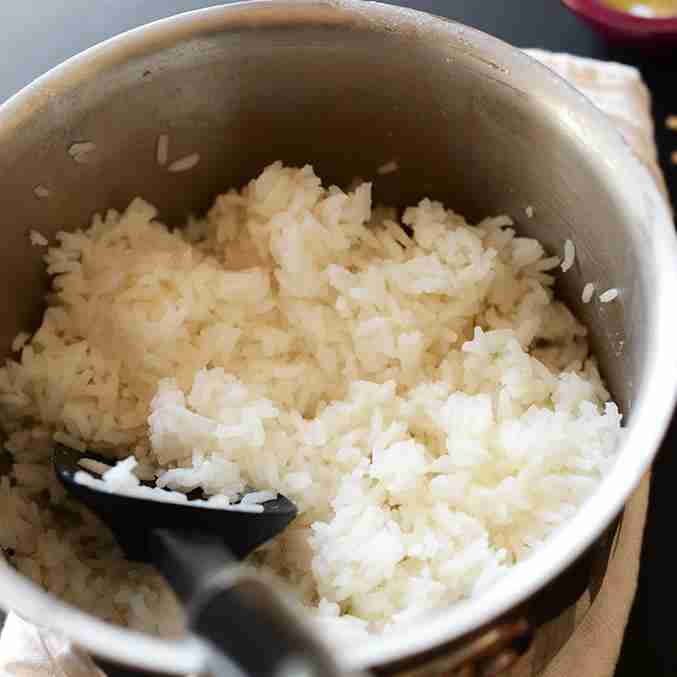
Understanding Rice Varieties and Their Unique Processing Needs
The journey of rice from field to table is not merely a matter of cultivation; it encompasses a profound understanding of the various rice varieties and the specific processing methods required for each. Rice species, such as Oryza sativa, exhibit a plethora of characteristics, and they include essential factors that influence both their growth and processing. For instance, short-grain rice, often glutinous, necessitates distinct steaming techniques that enhance its sticky texture. In contrast, long-grain varieties, known for their separate grains post-cooking, require careful milling to prevent breakage and preserve integrity. The inherent traits of the rice influence crucial aspects of processing, including drying techniques, milling precision, and even storage conditions.
Moreover, each rice variety brings unique challenges and advantages during processing that artisans and producers must navigate. Recognizing the nuances is essential for delivering high-quality rice. Here are some things to consider:
- Textural Qualities: Sticky vs. fluffy
- Color and Aroma: White, brown, basmati, jasmine
- Cooking Methods: Boiling, steaming, frying
- Nutritional Needs: Whole grain vs. polished
| Rice Variety | Processing Method | Ideal Use |
|---|---|---|
| Jasmine | Steamed | Pairing with curries |
| Basmati | Soaked and boiled | Pilaf and biryani |
| Arborio | Short boil and stirred | Risotto |
| Brown Rice | Longer steaming | Healthy sides |

The Step-by-Step Journey of Rice: From Harvest to Milling
The journey of rice begins with the careful harvesting of ripe paddy. Farmers typically utilize a combination of traditional hand methods and modern machinery to ensure minimal damage to the grains. Once cut, the rice stalks are bundled and left in the fields to dry, a process known as field curing. This crucial step allows the moisture level in the grains to drop, enhancing their storage life. After drying, the rice is collected and transported for initial processing, which focuses on removing excess straw and debris. Key stages in this process include:
- Thresher Operation: The paddy is separated from the stalks through mechanical means or manual labor.
- Drying Techniques: Options like sun drying or specialized machines are employed to attain optimal moisture levels.
Once prepared, the rice moves into the milling phase, which transforms raw paddy into the edible rice we know. This phase typically involves a series of machines that remove the outer husk, leaving behind brown rice, and further processing it into white rice by removing the bran layer. The milling process is meticulous, ensuring that the grains remain undamaged and have a consistent quality. The stages of milling can be summarized in the following table:
| Milling Stage | Purpose |
|---|---|
| Husking | Removes the outer husk from the paddy grain. |
| Whitening | Eliminates the bran layer, producing white rice. |
| Polishing | Enhances appearance and reduces surface starch. |
After milling, the processed rice undergoes quality control to ensure it meets health and safety standards. This includes checking for contaminants and assessing the appearance and taste, guaranteeing that consumers receive only the best product. Ultimately, this fascinating blend of art and science results in rice that not only nourishes but also connects the consumer back to the rich heritage of agriculture.
Nutritional Quality and Flavor: The Science Behind Processing Techniques
Rice processing is a delicate balance between maintaining nutritional quality and enhancing flavor. Various techniques are employed, each designed to unveil the grains’ potential while preserving essential nutrients. For instance, traditional methods like parboiling allow nutrients from the bran to seep into the endosperm, resulting in rice that is not only richer in minerals but also exhibits improved cooking qualities. The incorporation of steam during this process helps to gelatinize the starches, ultimately leading to a firmer texture that enhances taste. Additionally, innovative techniques such as infrared processing are gaining traction, as they help in reducing cooking time while retaining the aromatic qualities inherent to certain rice varietals.
Furthermore, the environment in which rice is processed plays a critical role in determining the final flavor profile. Factors such as temperature, humidity, and storage conditions can significantly impact the sensory attributes of the rice. To illustrate this, consider the following table that highlights how different processing methods influence the flavor and nutritional quality of rice:
| Processing Method | Nutritional Impact | Flavor Enhancement |
|---|---|---|
| Parboiling | Increases vitamin and mineral content | Nutty, robust flavor |
| Steaming | Minimal nutrient loss | Smooth, delicate taste |
| Infrared Drying | Retains more nutrients than traditional methods | Enhanced aromatic profile |
Understanding these processing techniques not only underscores the complexity of bringing rice from field to table but also equips consumers with the knowledge to make informed choices. Selecting the right type of processed rice can bridge the gap between a nutrient-rich meal and a delightful culinary experience.
Sustainable Practices in Rice Processing: Balancing Tradition and Innovation
In the journey of rice from paddies to plates, sustainable processing practices have emerged as a bridge between age-old traditions and cutting-edge innovations. Many rice cultivators and processors are committing to methods that reduce environmental impact while preserving the essence of heirloom varieties. Water-saving technologies, such as System of Rice Intensification (SRI), limit water usage without compromising yield. Moreover, solar drying methods are gaining traction, minimizing reliance on fossil fuels and ensuring a smaller carbon footprint. By integrating crop rotation and cover cropping, farmers can enhance soil health, which ultimately leads to superior grain quality. These practices not only nurture the environment but also safeguard the legacy of rice cultivation, entwining cultural heritage with responsible stewardship.
The integration of technology further amplifies sustainability in rice processing. Innovative machinery designed for energy efficiency simplifies tasks previously deemed labor-intensive, reducing waste and conserving resources. For instance, cold milling technologies preserve more natural nutrients in rice while using significantly less energy than traditional milling processes. Additionally, adopting biodegradable packaging solutions plays a crucial role in minimizing plastic waste. To illustrate the balance of traditional and contemporary practices in rice processing, consider the following table that highlights key elements:
| Traditional Practices | Innovative Approaches |
|---|---|
| Hand-harvesting | Mechanized harvesters |
| Stone milling | Cold milling technologies |
| Natural fermentation | Controlled fermentation processes |
| Jute or bamboo packaging | Biodegradable packaging materials |
This synergy allows rice processing to evolve while maintaining its rich cultural roots, paving the way for a more sustainable food system that respects both the planet and the people involved in rice cultivation.
Concluding Remarks
As we wrap up our exploration of the intricate journey of rice from field to table, it becomes evident that this staple grain embodies a beautiful synergy of art and science. The meticulous methods employed in rice processing not only preserve the quality and flavor of this essential food but also reflect the cultural heritage and agricultural practices that have evolved over centuries.
In embracing the transformative processes of harvesting, drying, milling, and packaging, we gain a deeper appreciation for the labor and innovation that underpin our daily meals. Each grain of rice tells a story—of farmers’ dedication, technological advancements, and culinary creativity.
As we savor the dishes crafted from this humble grain, let us remember the journey it has taken to reach our plates. The next time you enjoy a bowl of rice, consider the harmonious blend of traditional techniques and modern practices that enrich every bite. In our fast-paced world, may we find a moment of gratitude for the intricate processes that connect us to the earth and to one another, reminding us that every meal is a celebration of both nature and nurturance.




