
In the heart of global food systems, grains serve as the cornerstone of sustenance, with rice standing out as one of the most vital staples worldwide. As populations grow and culinary traditions evolve, the demand for high-quality rice has surged, leading to the realization that unlocking grain potential is essential for nourishing both people and economies. Central to this transformation is the unsung hero of the agriculture industry: the rice milling machine. These sophisticated pieces of equipment do more than merely process rice; they unlock the grain’s inherent qualities, enhancing the nutritional value, flavor, and marketability of the final product. By delving into the world of rice milling machines, we can better understand their pivotal role in not only optimizing harvest yields but also sustaining livelihoods and promoting food security in a rapidly changing world. Join us as we explore the intricate relationship between technology and tradition in the quest to maximize one of humanity’s oldest sources of nourishment.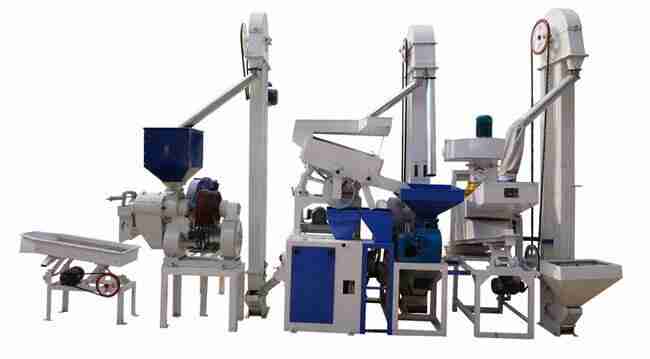
Understanding the Mechanics: How Rice Milling Machines Transform Grain Quality
In the intricate dance of post-harvest processing, rice milling machines play a pivotal role in elevating the quality of grain. These machines are engineered to undertake several critical processes that significantly enhance the rice’s visual appeal and nutritional content. Key stages in rice milling include:
- Cleaning: This initial stage removes impurities such as dirt, stones, and other foreign materials, ensuring the rice is pure.
- Husking: The outer husk is removed, producing brown rice while retaining essential nutrients.
- Milling: This process polishes the brown rice to produce white rice, enhancing its taste and shelf life.
- Grading: The final step sorts the rice based on size and quality, ensuring consistency for consumers.
Understanding how these functions intertwine helps to appreciate the advanced technology embedded within these machines. The precise calibration of milling settings—whether it’s the force applied during husking or the duration of polishing—directly influences the final product’s quality. Through a delicate balance of mechanization and monitoring, factors such as grain integrity and moisture content are meticulously controlled. Below is a simple overview of the rice quality improvements attributed to these machines:
| Process | Quality Improvement |
|---|---|
| Cleaning | Removes contaminants, ensuring purity. |
| Husking | Presents nutrient-rich brown rice. |
| Milling | Enhances taste, appearance, and shelf life. |
| Grading | Ensures product consistency and quality. |

Choosing the Right Equipment: Key Features to Consider for Optimal Milling
When selecting the ideal rice milling machine, it’s essential to focus on a few key characteristics that can significantly influence performance and output quality. Capacity is one of the foremost features—consider the volume of rice you intend to process and choose a machine that matches or exceeds that requirement to ensure efficiency without overworking the equipment. In addition, power efficiency is important; machines that consume less electricity while providing optimal output can save considerable costs over time.
Another critical aspect to evaluate is the milling technology employed in the machine. Different technologies, such as modern huskers and polishers, impact the quality of milled rice. Machines that feature adjustable settings allow operators to tailor the milling process according to specific rice varieties, enhancing the overall quality. Furthermore, look for equipment that includes integrated cleaning systems, which not only promote a higher quality end-product but also contribute to the machine’s longevity by preventing clogs and damage. Below is a simple comparison table highlighting essential features to consider:
| Key Feature | Importance |
|---|---|
| Capacity | Must match processing needs |
| Power Efficiency | Reduces operational costs |
| Milling Technology | Affects rice quality |
| Adjustable Settings | Customization for different rice types |
| Integrated Cleaning Systems | Prevents clogs and prolongs equipment life |
Maximizing Efficiency: Best Practices for Operating Rice Milling Machines
Efficient operation of rice milling machines is essential for maximizing output and minimizing waste. To achieve optimal performance, operators should adhere to the following best practices:
- Regular Maintenance: Establish a routine maintenance schedule to inspect, clean, and replace worn-out parts to prevent breakdowns and ensure consistent quality.
- Calibration: Properly calibrate the milling machine to align with the specific type of rice being processed, adjusting settings for moisture content and grain size.
- Feed Rate Management: Maintain an appropriate feed rate to avoid overloading, which can lead to inefficient milling and increased wear on machinery.
- Operator Training: Invest in comprehensive training for all operators to ensure they are knowledgeable about machine functions and troubleshooting techniques.
Furthermore, implementing advanced technology can significantly enhance the milling process. For instance, integrating moisture sensors and automated controls allows for real-time adjustments, optimizing the milling efficiency. Below is a concise overview of the key components that can influence operational efficiency:
| Component | Impact on Efficiency |
|---|---|
| Husker | Removes husks without significant kernel damage, enhancing grain quality. |
| Whitener | Achieves uniform polishing and minimizes broken grains, maximizing output. |
| Grit Separator | Separates fine particles effectively, leading to cleaner rice production. |
Future Innovations: Trends Shaping the Next Generation of Rice Milling Technology
As the global demand for rice continues to rise, the future of rice milling technology is set for a transformative shift. Innovations in automation and artificial intelligence are paving the way for smarter, more efficient milling processes. Key trends include:
- IoT Integration: Smart sensors will allow for real-time monitoring of machinery performance, leading to proactive maintenance and reduced downtime.
- Energy Efficiency: New designs focusing on sustainable energy sources promise to decrease the carbon footprint of milling operations.
- Precision Milling: Advanced algorithms will enable customization based on rice varieties, optimizing yield and quality.
Furthermore, the rise of biotechnology in rice breeding is pushing the envelope on milling standards. By developing rice strains that are easier to mill, manufacturers will be able to enhance extraction rates significantly. This will be supported by breakthroughs in data analytics, generating insights from milling processes to refine operations. The following table summarizes the anticipated advancements:
| Innovation | Description | Benefits |
|---|---|---|
| Automation | Implementation of robotics in milling processes. | Reduced labor costs and increased throughput. |
| Sustainable Practices | Utilization of renewable energy and waste management. | Lower energy costs and improved environmental impact. |
| AI Driven Analytics | Machine learning for predictive maintenance. | Minimized downtime and improved efficiency. |
Future Outlook
As we conclude our exploration of the vital role that rice milling machines play in unlocking the full potential of grain, it becomes clear that these machines are more than mere tools; they are the backbone of a sustainable agricultural future. By transforming raw grain into a refined staple, they not only enhance food security but also support the livelihoods of countless farmers and communities around the globe.
The technology behind rice milling continues to evolve, promising greater efficiency and quality while addressing the environmental challenges of our time. As we look ahead, it is crucial to foster innovation in this sector, ensuring that these machines remain accessible to those who depend on them.
In the quest for sustainable grain production, the humble rice milling machine stands as a symbol of progress and resilience. By investing in such advancements, we unlock not just grain potential, but also the potential of the many lives intertwined with this essential crop. So, as we reflect on the journey of rice from field to table, let us appreciate the intricate dance between technology and nature, and the promise it holds for a balanced and nourished world.




