
Unlocking Efficiency: The Complete Rice Milling Machine Revolution
In a world where efficiency reigns as the cornerstone of agricultural advancement, the rice milling industry stands at the forefront of innovation. The journey from paddy to polished grain, once a labor-intensive and time-consuming process, has been transformed by cutting-edge technology and automation. This article explores the remarkable evolution of rice milling machines, delving into the revolutionary features that enhance productivity, streamline operations, and ensure superior quality. Join us as we unravel the intricacies of modern rice milling machinery and discover how these advancements are not only unlocking efficiency but also paving the way for sustainable practices in the global rice market. Whether you’re a farmer looking to elevate your milling operations or an industry enthusiast eager to understand the future of food processing, this exploration into the world of rice milling machines promises insights that resonate across the agricultural landscape.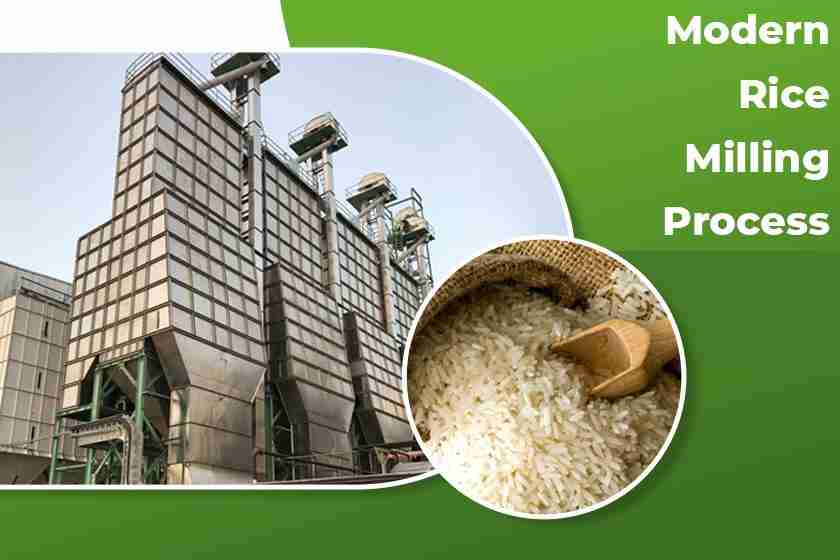
The Evolution of Rice Milling: From Traditional Methods to Modern Machinery
The journey of rice milling has undergone a tremendous transformation, evolving from labor-intensive methods to the sophistication of modern machinery. Traditional practices often involved basic tools and significant human effort. Farmers typically used wooden mortars and pestles, which were not only time-consuming but also limited in efficiency. As the demand for higher-quality rice grew, these rudimentary methods paved the way for more innovative techniques. The introduction of water mills and hand-operated machines marked significant milestones, allowing for improved processing speeds and reduced manual labor. However, the search for greater efficiency did not stop there.
With the advent of the industrial revolution, rice milling entered a new realm powered by advanced technology. Today’s automated rice milling machines utilize sophisticated processes that enhance the quality and yield of rice significantly. These machines incorporate features such as high-capacity huskers, polishers, and sifters, which streamline production and minimize grain loss. The shift from conventional to modern machinery has resulted in a rapid increase in the efficiency of rice processing, evidenced by a significant decline in the time taken from harvesting to packaging. The following table illustrates the contrast between traditional and modern methods:
| Aspect | Traditional Methods | Modern Machinery |
|---|---|---|
| Processing Time | Several hours | Under one hour |
| Labor Requirement | High | Minimal |
| Grain Quality | Variable | Consistent |
| Yield | Lower | Higher |

Enhancing Productivity: Key Features of Cutting-Edge Rice Milling Machines
The latest advancements in rice milling technology have paved the way for machines that not only enhance the efficiency of the milling process but also ensure superior quality production. Among the key features that set these modern machines apart are:
- Automated Operations: Intuitive software controls allow for seamless operation, reducing human error and labor costs.
- Energy Efficiency: State-of-the-art designs minimize energy consumption, leading to significant cost savings over time.
- Quality Control Sensors: Integrated sensors constantly monitor grain quality, ensuring that only the best rice makes it to the final product.
Additionally, these innovative machines often come equipped with customizable settings that cater to diverse processing needs. They allow for:
- Adjustable Milling Techniques: Users can easily toggle between various milling methods for optimal results.
- Real-Time Data Analytics: Operators can access detailed performance analytics, enabling informed decision-making and quick adjustments.
- Modular Designs: These machines can be expanded or modified to meet growing production demands while maximizing floor space.
| Feature | Benefit |
|---|---|
| Automated Operations | Reduces labor costs and minimizes errors |
| Energy Efficiency | Significant savings on energy bills |
| Quality Control Sensors | Ensures the highest standard of rice quality |

Sustainability in Rice Milling: Eco-Friendly Practices and Technologies
In the quest for sustainable agriculture, rice milling has seen a transformative shift towards eco-friendly practices and technologies that significantly reduce environmental impact. Innovations such as energy-efficient milling machines that utilize solar power and biomass energy are paving the way for greener operations. Implementing water recycling systems not only conserves essential resources but also minimizes wastewater output, ensuring that rice milling aligns with eco-conscious principles. The integration of biodegradable packaging materials further enhances sustainability by reducing plastic waste in the rice distribution process, promoting a circular economy within the industry.
Effective waste management strategies play a crucial role in enhancing sustainability in rice milling. By adopting techniques like rice husk utilization for fuel or composting, mills can turn by-products into valuable resources. Additionally, the use of precision milling technologies allows mills to maximize yield while minimizing waste, ensuring that every grain is efficiently processed. The following table highlights some eco-friendly technologies and their benefits for rice milling operations:
| Technology | Benefits |
|---|---|
| Solar-Powered Mills | Reduces carbon footprint and lowers energy costs |
| Water Recycling Systems | Conserves water and minimizes wastewater discharge |
| Biomass Energy Utilization | Generates renewable energy from rice by-products |
| Precision Milling Machines | Increases yield while minimizing material waste |
Future Trends: Innovations Shaping the Rice Milling Industry
The rice milling industry is on the cusp of a significant transformation, driven by cutting-edge technologies that enhance both efficiency and product quality. Automation remains at the forefront of this revolution, with AI and machine learning algorithms optimizing milling processes, reducing waste, and improving yield. Additionally, IoT (Internet of Things) solutions are enabling remote monitoring and real-time analytics, allowing mill operators to make data-driven decisions quickly. Meanwhile, environmentally sustainable practices are gaining traction, with innovations such as energy-efficient machinery and waste recycling systems minimizing the ecological footprint of rice production.
In this evolving landscape, smart milling systems are emerging as game-changers, integrating features such as adaptive milling techniques which adjust settings based on grain conditions. Furthermore, the rise of blockchain technology is enhancing supply chain transparency, ensuring traceability from farm to fork. This is complemented by advances in packaging technology that extend product shelf life while maintaining quality. Together, these innovations promise to unlock new levels of productivity, ultimately reshaping the future of the rice milling industry.
The Conclusion
the journey through the realm of rice milling machines reveals a landscape transformed by innovation and efficiency. As we unlock the secrets of modern technology, it becomes clear that these machines are not merely tools, but catalysts for change in the agricultural sector. Their precision, speed, and cost-effectiveness empower farmers and millers alike, paving the way for a more sustainable and productive future.
As we move forward, the continued evolution of rice milling technology will undoubtedly play a pivotal role in addressing global food security challenges and enhancing livelihoods. Whether you’re a farmer seeking to optimize your yield or a entrepreneur eager to enter the burgeoning rice industry, embracing the revolution of efficient milling practices promises not only to elevate production but also to inspire new possibilities.
With every grain of rice processed, we inch closer to a more efficient and resilient food system. The future of rice milling is bright, and as we stand on the cusp of this transformation, we invite you to explore the possibilities that await.




