Transforming Harvests: The Evolution of Commercial Rice Milling
In the sprawling fields were golden grains reach for the sun,a silent revolution has been taking root—one that transcends mere agriculture to touch economies,cultures,and culinary landscapes across the globe. The journey from paddy to plate is an intricate dance, enriched by centuries of tradition and propelled by the relentless march of innovation. At the heart of this conversion lies commercial rice milling, a process that has evolved dramatically since the first hand-cranked mills emerged centuries ago.Today, as technology propels efficiency and sustainability to the forefront, the very nature of rice milling is being redefined. From artisanal operations to high-tech processing plants, the evolution of this industry not only reflects changes in consumer demands and environmental imperatives but also offers a glimpse into the future of food production. Join us as we explore the milestones, challenges, and breakthroughs that have shaped the milling of one of the world’s most vital staples, and discover how these transformations continue to influence our diets and economies.
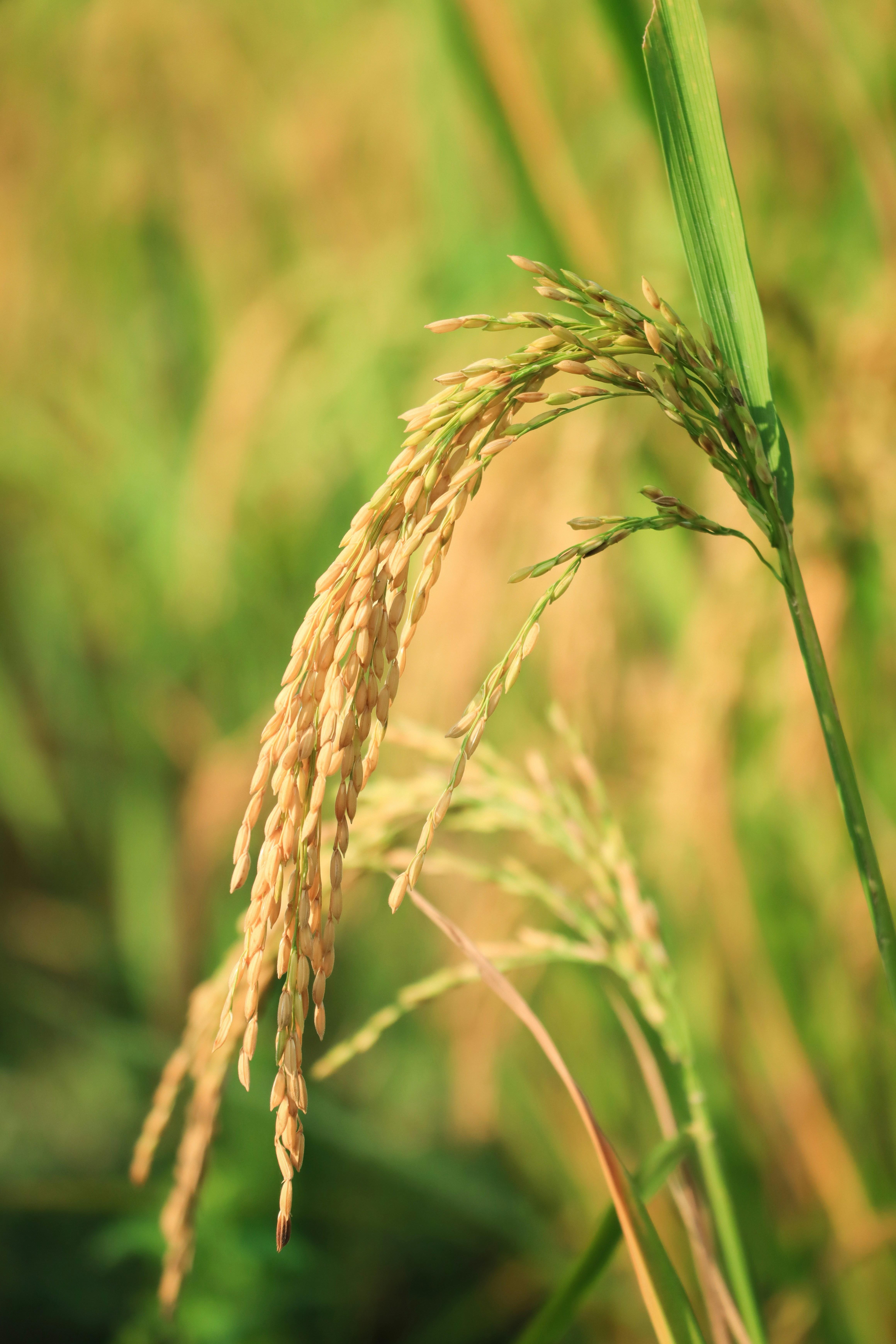
Understanding the Journey from Paddy to Polished Rice
The transformation of paddy into polished rice is a engaging journey that encapsulates both tradition and technology. After the paddy is harvested, it undergoes several meticulous processes before it reaches the consumer’s plate. initially, the grains are dried to reduce their moisture content, which is crucial for storage and quality retention. Once dried, the paddy is hulled, a process that separates the inedible outer husk from the edible rice grain. This stage may involve the use of simple hand tools or complex machines, depending on the scale of the operation. The result is brown rice, which retains its bran layer and is richer in nutrients compared to its white counterpart. Following hulling, the rice is further polished through a series of milling methods aimed at achieving the desired texture and appearance.
In contemporary milling operations, various techniques and technologies enhance the efficiency and quality of rice production. Key stages in the transformation include:
- Whitening: The process that removes bran and germs from brown rice, creating a finer finish.
- sorting: Utilizes machines to separate high-quality grains from broken or defective ones.
- Coloring: Optional stage where grains are treated for a uniform look.
The intricacies of modern milling are highlighted in the following table,showcasing common milling methods and their features:
| Milling Method | Features |
|---|---|
| Traditional stone Mill | Produces aromatic rice; slow and labor-intensive. |
| rice Polisher | Enhances glossiness; improves shelf life; fast processing. |
| Modern Mechanical Mill | High efficiency; integrates multiple functions in one machine. |

Technological Innovations Revolutionizing Milling Efficiency
Recent advances in technology have led to meaningful improvements in milling efficiency, allowing for higher quality outputs and reduced operational costs. Automated control systems enhance precision in cooking and milling processes, ensuring every grain is processed uniformly. Moreover, innovations such as sensor-based technologies monitor moisture levels and grain structure, facilitating real-time adjustments that minimize waste. By integrating machine learning algorithms, mills can now predict maintenance needs, thus reducing unplanned downtimes and extending equipment lifespan.
The shift towards lasting practices in milling has also spurred the development of eco-friendly machines. These state-of-the-art systems employ energy-efficient motors and recyclable materials, significantly lowering their carbon footprint. Additionally, advancements in digital tracking systems enable rice mills to implement better inventory management and logistics, resulting in faster processing times and improved supply chain efficiency. Key components of these innovations include:
- Robust Milling Technologies: New milling equipment that combines functionality with ease of use.
- Data Integration Systems: software solutions that aggregate data from various stages of the milling process.
- Precision Engineering Techniques: Manufacturing processes that ensure consistency and superior quality of milled rice.
To illustrate the impact of these innovations, the following table presents a comparison of traditional milling methods versus modern milling technologies:
| Aspect | Traditional milling | Modern Milling |
|---|---|---|
| Energy Consumption | High | Low |
| milling time | Long | Short |
| Quality Control | Manual | Automated |
| waste Production | High | Minimal |
Sustainability Practices for Modern Rice Processing
In the pursuit of efficiency and eco-friendliness, modern rice processing plants are integrating a variety of sustainability practices that minimize environmental impact while maximizing productivity. These practices focus on resource conservation, waste reduction, and energy efficiency, aligning the rice milling industry with global sustainability goals. A few notable approaches include:
- Water Management: Implementing closed-loop water systems to recycle water used in milling processes, thereby reducing consumption and preserving local water sources.
- Energy Efficiency: Utilizing solar and bioenergy technologies to power machinery and facilities, significantly lowering carbon footprints.
- Waste Utilization: Transforming by-products such as rice husk and bran into biofuels or animal feed, thus ensuring that little goes to waste.
innovative technologies are playing a crucial role in enhancing these sustainable efforts. Automated monitoring systems allow for real-time assessments of energy usage and resource allocation, enabling continuous improvement in operations. The following table outlines the benefits of adopting green technologies in rice processing:
| Technology | Benefit |
|---|---|
| Solar Energy Systems | Reduces energy costs and reliance on fossil fuels. |
| biomass Boilers | Utilizes agricultural waste for energy, lowering emissions. |
| Smart Water Conservation Tools | Enhances efficiency in water use and irrigation practices. |
market Trends and Consumer Preferences Shaping the Industry
In recent years, several emerging trends have reshaped the landscape of the rice milling industry, driven largely by changing consumer preferences and market demands. Today, consumers are prioritizing not only the nutritional quality of rice but also its sustainability and traceability. This has led to a surge in interest in organic and heirloom varieties, encouraging producers to adapt their milling techniques to meet the desire for healthier options. More than ever before, consumers want to know the origin of their food, prompting rice millers to implement transparent sourcing practices that highlight the natural qualities of their grains.
Additionally, technological advancements are playing a critical role in aligning production methods with consumer expectations. Smart milling systems are becoming mainstream, offering enhanced efficiency and reduced waste through automation and data analytics. This technological shift is coupled with an increasing demand for convenience foods that utilize milled rice as a base. As a result, companies are innovating to create value-added products, such as ready-to-cook rice and specialty blends that cater to specific dietary needs.Moreover, sustainability practices, such as utilizing byproducts for animal feed or bioenergy, are gaining traction as consumers support environmentally friendly brands.
| Trend | Description |
|---|---|
| Organic Rice Demand | Increasing interest in organically grown rice varieties. |
| Sustainability Practices | Adoption of environmentally friendly milling methods. |
| Smart milling Technology | Integration of automation and data analytics in milling processes. |
| Convenience Foods | Growing demand for ready-to-cook rice products. |
| Traceability | Focus on the origins and sourcing of rice. |
Wrapping up
As we conclude our journey through the intricate world of commercial rice milling,it becomes clear that this industry has undergone a fascinating transformation. From the age-old methods that relied on manual labor and basic tools to the advanced technologies of today, the evolution of rice milling reflects not only changes in agricultural practices but also innovations in technology and shifts in consumer demands.
The advancements we’ve explored highlight a broader narrative: a story of resilience and adaptation.As global populations grow and the need for efficient food production intensifies, the milling industry continues to innovate to meet these challenges. Automation, sustainability, and precision play pivotal roles, ensuring that the humble grain can be processed swiftly and responsibly, feeding millions across the globe.
Looking ahead, it’s evident that the journey of commercial rice milling is far from complete. The future is ripe with opportunities for further enhancements in processing techniques, sustainability practices, and food safety measures. As we reflect on the past and anticipate the innovations to come, one thing remains certain: the evolution of rice milling will continue to shape the way we cultivate, process, and enjoy one of the world’s most essential staple foods. In this dynamic landscape, the grain might potentially be small, but its impact resonates far and wide—forming the foundation of meals, cultures, and economies.